Alaska Wildlife: America’s Greatest Wildlife Destination
If you have ever wanted to witness wildlife at a scale and density that reminds you what the natural world looked like before human civilization changed it, Alaska is where you go. The state supports populations of brown bears, black bears, and polar bears — all three North American bear species. It hosts the largest known concentrations of bald eagles in the world. Its salmon runs, which fill rivers from July through October with silver-bodied fish returning from the Pacific Ocean, still occur in numbers that color the water. Its caribou herds number in the hundreds of thousands. And its marine waters support populations of humpback whales, orca, fin whales, sea otters, Steller sea lions, and a dozen species of seabirds that exist in densities found nowhere else in the Northern Hemisphere.
Alaska’s wildlife is not a zoo exhibit or a managed display. It is a functional ecosystem operating mostly on its own terms, and the experience of witnessing it — whether from a riverbank as bears catch salmon leaping through the current, or from a small boat as humpback whales bubble-net feed fifty feet away, or from a ridge as a caribou herd flows through a valley below like a river of antlers — belongs in a different category from wildlife experiences available almost anywhere else in the world.
.jpg?width=1280)
Brown Bears: Where to See Alaska’s Iconic Predator
Alaska’s brown bears — which are the same species as the grizzly bear, just larger due to access to rich coastal food sources — are found throughout most of the state and can be seen in concentrated numbers at specific salmon-rich locations that have become world-famous among wildlife photographers and bear enthusiasts.
Brooks Falls in Katmai National Park is the most famous bear-viewing location in the world. Located on the Alaska Peninsula about 290 air miles southwest of Anchorage (accessible only by small aircraft), Brooks Falls is where the Brooks River drops over a short but dramatic waterfall during the salmon run, and brown bears position themselves at the lip of the falls and at the base to intercept sockeye salmon leaping upstream. During peak season in July, dozens of bears may be visible simultaneously from the viewing platforms above the falls, and the National Park Service’s Brooks Falls webcam — which has been running continuously for years — is one of the most-watched wildlife feeds on the internet for good reason.
McNeil River State Game Sanctuary, also on the Alaska Peninsula, is considered by many bear guides and photographers to offer the highest density of brown bears of any location on earth during July and August. Access is by lottery-allocated permit from the Alaska Department of Fish and Game, which limits daily visitors to keep the place wild. Winning a McNeil permit is genuinely competitive and deeply rewarding for those who do.
For less remote bear viewing, Kenai Fjords National Park‘s Exit Glacier area sees bears regularly in spring as they emerge from hibernation, and the bear activity along salmon streams on Kodiak Island — home to the Kodiak brown bear, the largest subspecies of brown bear in the world — is extraordinary for permitted visitors.
Salmon Runs: The Foundation of Alaska’s Wildlife
The salmon runs are Alaska’s central ecological event. Each summer and fall, five species of Pacific salmon — chinook (king), sockeye (red), coho (silver), pink (humpy), and chum (dog) — return from their years in the Pacific Ocean to spawn in the freshwater rivers and streams where they were born. The scale of this migration is difficult to comprehend: the Kenai River sockeye run alone involves millions of fish returning over the summer season, and rivers throughout Southcentral and Southeast Alaska fill with salmon to a degree that has been largely undiminished since Alaska achieved statehood.
That run is the engine of Alaska’s wildlife ecosystem. Bears fatten on salmon to survive winter hibernation; bald eagles congregate in their thousands along salmon rivers during the spawning season; wolves follow the salmon runs inland; rainbow trout, Dolly Varden, and other fish species feed on salmon eggs and carcasses; and the nutrients from decomposing salmon carcasses fertilize the riparian forests for hundreds of feet from the stream banks. Standing beside a clear salmon stream in late July and watching it happen — the water full of fish, the bears wading the shallows, the eagles perched overhead — is one of the defining wildlife experiences Alaska offers.
The Kenai River, the Russian River, the Gulkana River, and the Copper River are among the most accessible salmon streams for visitors based in Anchorage or the Kenai Peninsula. The Kenai River draws enormous fishing pressure — it is perhaps the most popular sport fishing river in North America — but the salmon biomass still supports extraordinary wildlife viewing alongside the human angling activity.
Whales and Marine Mammals: Southeast Alaska and Beyond
Southeast Alaska’s Inside Passage — the sheltered waterway running between the mainland and the chain of islands that forms the Alaska Panhandle — is one of the finest marine wildlife environments in the Northern Hemisphere. The sheltered, nutrient-rich waters support populations of humpback whales, orca (killer whales), Steller sea lions, harbor seals, Dall’s porpoise, and Minke whales, along with five species of salmon and an extraordinary richness of seabirds.
Humpback whale bubble-net feeding is one of Southeast Alaska’s signature wildlife experiences. Groups of humpbacks cooperate in a behavior unique to this population and a few others in the North Pacific: they dive together, blow underwater curtains of bubbles that disorient and concentrate schools of herring, then surge to the surface as a group with open mouths, their pink baleen plates visible as they filter thousands of fish from the water in a single coordinated lunge. Witnessing this from a small boat at close range draws wildlife photographers and naturalists from around the world.
Sitka and Juneau are both excellent bases for whale watching in Southeast Alaska. Day cruises from both cities operate throughout the summer, and independent kayakers can encounter humpbacks and orca in the protected waters of Frederick Sound and Chatham Strait. Glacier Bay National Park, accessible by cruise ship or ferry from Juneau, provides outstanding marine mammal viewing in addition to its glacial attractions.
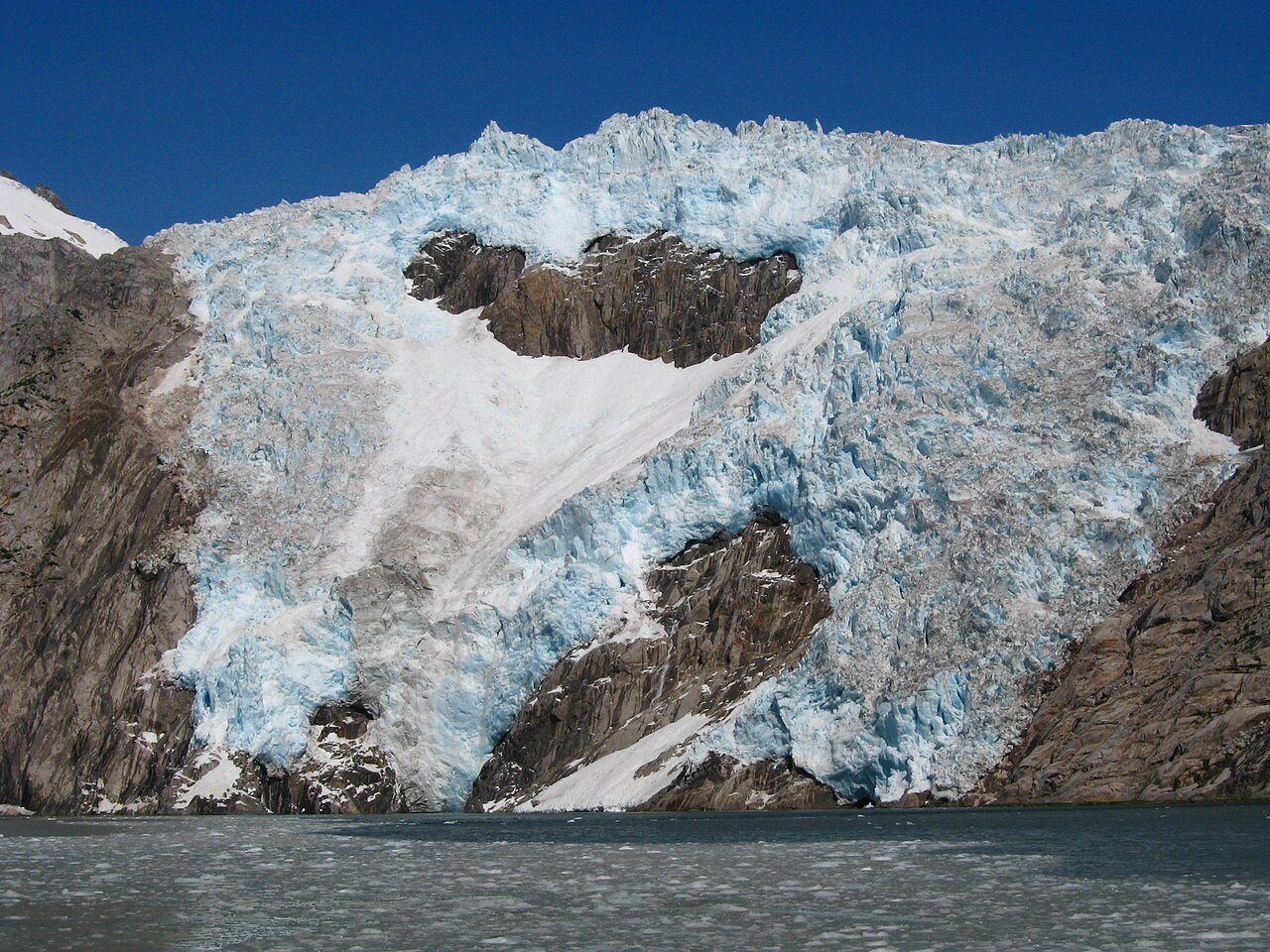
The Kenai Fjords, accessible from Seward, offer a different marine wildlife experience centered on tidewater glaciers and their associated wildlife. Sea otters, Steller sea lions, harbor seals, and orca are all regularly encountered, and the Chiswell Islands host nesting colonies of tufted and horned puffins, common murres, black-legged kittiwakes, and Steller’s jays in numbers that can genuinely overwhelm the senses during peak nesting season.

The Northern Lights: Nature’s Light Show
The aurora borealis is Alaska’s most spectacular non-biological wildlife spectacle, and treating it with the same kind of intentionality that you would bring to bear viewing or whale watching — choosing the right location, timing, and conditions — produces dramatically better results than hoping for an accidental sighting.
Aurora activity is driven by the solar wind — streams of charged particles emitted by the sun — interacting with Earth’s magnetic field. The interaction produces light in the upper atmosphere along the auroral oval, a ring around the magnetic poles where activity concentrates. Fairbanks sits nearly under the center of the auroral oval, making it the premier aurora-viewing destination in the United States and one of the best in the world. Anchorage sees auroras regularly but less reliably, and the city lights reduce contrast. Truly dark skies — accessible within an hour’s drive of Fairbanks — produce dramatically better viewing than any urban environment.
The viewing season runs from late August through April. Peak activity months are September–October and February–March, when solar-geomagnetic interaction tends to be stronger. Clear, cold, dark nights — which are plentiful in Interior Alaska — are the necessary condition; overcast skies eliminate the possibility regardless of auroral activity.
The Chena Hot Springs Resort, 56 miles northeast of Fairbanks, has become the most popular aurora-viewing destination for visitors. Soaking in an outdoor geothermal pool at -20°F while aurora light ripples overhead is as quintessentially Alaskan an experience as bear watching at Brooks Falls — and the resort’s Aurora Ice Museum, a year-round structure held at a constant 25°F by a geothermally powered chiller and carved entirely from ice, is a genuine art installation of unusual character.
Bald Eagles: Alaska’s Most Visible Wildlife Symbol
The bald eagle has anchored the Great Seal of the United States since 1782 and was formally designated the national bird in 2024, and Alaska is where you go to understand why. The state supports the largest concentration of bald eagles in the world — an estimated 30,000 birds in summer, which represents roughly half the global population of the species. They are not rare in Alaska; they are omnipresent, perched on spruce snags above every salmon stream, soaring over every fishing dock, and congregating in jaw-dropping numbers during the salmon and herring runs.
The most dramatic eagle concentration occurs each fall at the Chilkat Bald Eagle Preserve near Haines in Southeast Alaska. The preserve protects the world’s largest known gathering of bald eagles — peak numbers can reach 3,000–4,000 birds in a single valley — attracted by a late-season chum salmon run in the Chilkat River. The gathering typically peaks in November, when eagles are visible in the trees in numbers that defy expectation: looking up the river valley on a calm morning and counting fifty eagles on a single cottonwood tree, with hundreds more on adjacent trees, is an experience that wildlife photographers have been returning to for decades.
Wildlife Viewing Tips and Ethics
- Bear spray is mandatory equipment for any backcountry travel in Alaska. Carry it, know how to use it, and have it accessible — not in your pack.
- Maintain safe distances: National Park Service guidelines require at least 300 yards from bears and wolves, 25 yards from other wildlife. More distance is always better. Use binoculars; they exist precisely for this purpose.
- Do not approach nesting eagles or any bird at a nest. Nest disturbance during breeding season causes abandonment of eggs or chicks.
- Leave no food scraps in any outdoor camping or picnic area. Fed bears lose their natural fear of humans and are subsequently destroyed. The phrase “a fed bear is a dead bear” is not a cliché in Alaska; it is a direct causal relationship.
- Hire local guides for first-time bear viewing, whale watching, and any backcountry wildlife trips. Alaska’s licensed guides have knowledge of specific animal behavior, locations, and safety protocols that cannot be replicated through guidebooks alone.
- Use responsible tour operators for marine wildlife viewing. Look for operators certified under the Whale SENSE program, which indicates training in responsible approach distances and behavior around humpbacks and other cetaceans.
Planning a Wildlife-Focused Alaska Trip
A well-planned wildlife-focused Alaska itinerary might combine bear viewing at Katmai or the Kenai Peninsula with marine mammal and whale watching in Southeast Alaska or Kenai Fjords, salmon fishing on the Kenai River, and aurora viewing in Fairbanks or at Chena Hot Springs. Such an itinerary typically requires a minimum of 10–14 days to do justice to the geographic distances involved.
Book bear-viewing lodges, fish camps, and wildlife cruise operators well in advance — peak season (July–August) books out months ahead for the best operations. Budget generously: quality Alaska wildlife experiences are not inexpensive, but they represent genuine value for the access they provide to wildlife encounters that have no equivalent elsewhere in the accessible world.
Alaska’s wildlife is not guaranteed on any single day or in any single location. But across a properly planned trip, the combination of encounters — the bears, the whales, the salmon, the eagles, the aurora — adds up to a wildlife experience that is, without serious competition, the finest available anywhere in the United States.
Frequently Asked Questions
Where are the best places to see brown bears in Alaska?
Brooks Falls in Katmai National Park is the most famous bear-viewing location in the world. Located approximately 290 air miles southwest of Anchorage on the Alaska Peninsula (accessible only by small aircraft), Brooks Falls is where brown bears position themselves at the lip of the falls and at the base to intercept sockeye salmon leaping upstream. During peak season in July, dozens of bears may be visible simultaneously from the viewing platforms. The National Park Service’s Brooks Falls webcam is one of the most-watched wildlife feeds on the internet. McNeil River State Game Sanctuary, also on the Alaska Peninsula, is considered by many guides and photographers to offer the highest density of brown bears of any location on earth during July and August — access requires a lottery-allocated permit from the Alaska Department of Fish and Game, which limits daily visitors to preserve the wild character of the experience. For less remote viewing, the Kenai Fjords area sees bears regularly in spring as they emerge from hibernation, and Kodiak Island — home to the Kodiak brown bear, the largest subspecies in the world — offers extraordinary viewing for permitted visitors.
What are Alaska’s salmon runs and why are they ecologically significant?
The salmon runs are Alaska’s central ecological event. Each summer and fall, five species of Pacific salmon — chinook (king), sockeye (red), coho (silver), pink (humpy), and chum (dog) — return from the Pacific Ocean to spawn in the freshwater rivers and streams where they were born. The Kenai River sockeye run alone involves millions of fish returning over the summer season. The salmon run is the engine of Alaska’s wildlife ecosystem: bears fatten on salmon to survive winter hibernation; bald eagles congregate in their thousands along salmon rivers; wolves follow the runs inland; rainbow trout and Dolly Varden feed on salmon eggs and carcasses; and nutrients from decomposing carcasses fertilize riparian forests for hundreds of feet from stream banks. The Kenai River, Russian River, Gulkana River, and Copper River are among the most accessible salmon streams for visitors based in Anchorage or the Kenai Peninsula.
Where and how do you see humpback whales in Alaska?
Southeast Alaska’s Inside Passage — the sheltered waterway between the mainland and the chain of islands forming the Alaska Panhandle — is one of the finest marine wildlife environments in the Northern Hemisphere. Humpback whale bubble-net feeding is one of Southeast Alaska’s signature wildlife experiences: groups of humpbacks cooperate in a behavior unique to this population, diving together and blowing underwater curtains of bubbles that concentrate schools of herring before surging to the surface as a group with open mouths. Witnessing this from a small boat is an experience that wildlife photographers travel from around the world to see. Sitka and Juneau are both excellent bases for whale watching, with day cruises operating throughout summer. Frederick Sound and Chatham Strait between Sitka and Juneau produce consistent humpback and orca sightings. Glacier Bay National Park provides outstanding marine mammal viewing in addition to its glacial attractions.
What is the best way to see the Northern Lights in Alaska?
The aurora borealis is driven by the solar wind interacting with Earth’s magnetic field along the auroral oval — a ring around the magnetic poles where activity concentrates. Fairbanks sits nearly under the center of the auroral oval, making it the premier aurora-viewing destination in the United States and one of the best in the world. Clear, cold, dark nights — plentiful in Interior Alaska — are the necessary viewing condition. The season runs from late August through April; peak activity months are September–October and February–March when solar-geomagnetic interaction tends to be stronger. Anchorage sees auroras regularly but less reliably, and city lights reduce contrast. The Chena Hot Springs Resort (56 miles northeast of Fairbanks) is the most popular aurora-viewing destination for visitors: soaking in outdoor geothermal pools at -20°F while aurora light ripples overhead is one of Alaska’s most distinctive experiences.
Where can you see the largest concentrations of bald eagles in the world?
Alaska supports an estimated 30,000 bald eagles in summer — approximately half the global population of the species. They are omnipresent in coastal Alaska, perched on spruce snags above salmon streams and congregating wherever fish gather. The most dramatic concentration occurs each fall at the Chilkat Bald Eagle Preserve near Haines in Southeast Alaska, which protects the world’s largest known gathering of bald eagles. A late-season chum salmon run in the Chilkat River attracts peak numbers of 3,000–4,000 birds in a single valley, typically in November. Looking up the river valley on a calm morning and counting fifty eagles on a single cottonwood tree, with hundreds more on adjacent trees, is an experience wildlife photographers return to for decades. Wildlife viewing safety basics: bear spray is mandatory equipment for any backcountry travel; maintain at least 300 yards from bears and wolves; never approach nesting eagles; never leave food scraps in outdoor camping or picnic areas.