Montana’s residential choices are shaped by the fundamental tension between the state’s extraordinary natural environment (which draws in-migrants from across the country) and the logistical realities of living in a sparsely populated state with significant distances between services, limited healthcare specialization outside the major cities, and winters that require genuine preparation. The best Montana community for any household depends entirely on their employment situation, their tolerance for isolation, their outdoor recreation priorities, and their budget — a state where the “best place to live” answer ranges from the increasingly expensive Bozeman (for households who want maximum outdoor access and cultural amenity) to the genuinely affordable smaller cities of the state’s interior (for households who prioritize cost and wide-open space over urban sophistication).

1. Bozeman — Montana’s Most Desirable City
Bozeman has been the most sought-after small city in the American West for the past decade — a combination of outdoor recreation access (Big Sky Resort roughly an hour south, Bridger Bowl ski area 16 miles north, Yellowstone’s north entrance about 80 miles south, the Gallatin River for world-class fly fishing reachable from the city limits), a downtown commercial culture that has grown with the city’s prosperity (the Main Street corridor of restaurants, the Emerson Center for the Arts, the independent outdoor gear shops that define the retail character of a mountain recreation city), and Montana State University’s growing technology and research enterprise that has begun generating a startup ecosystem around the campus.
The Bozeman lifestyle is genuinely exceptional for households who can afford the $725,000-plus median home price — the combination of urban amenity (Trader Joe’s, a Whole Foods, excellent restaurants, a real arts community) and wilderness on the doorstep (trail systems that open straight off neighborhoods on the north and south sides of town) is available in few other American cities. The trade-offs are the cost (no longer the affordable Montana alternative it once was), the rapid growth (traffic has increased significantly, and the small-town character that attracted early arrivals has been diluted by scale), and the winters (Bozeman averages roughly 70 inches of snow and temperatures that regularly drop below zero). For households with sufficient income and a commitment to year-round outdoor recreation, Bozeman remains one of the most compelling residential choices in the West.
2. Missoula — The Intellectual Alternative
Missoula, Montana’s second city in character if not always in population, offers a different version of Montana living from Bozeman — more intellectual, more bohemian, more oriented toward the arts and the written word than toward resort skiing and tech entrepreneurship. The University of Montana’s creative writing program (one of the most distinguished MFA programs in the country, having produced writers including James Welch, David James Duncan, and numerous others) defines Missoula’s intellectual culture; the independent bookstores (Shakespeare & Company has anchored the downtown since 1998), the Missoula Symphony, the International Wildlife Film Festival, and the Montana Book Festival create a cultural depth unusual in a city of nearly 80,000.

The Clark Fork River trail system (connecting the university campus to downtown and beyond through a continuous riverside path), the Rattlesnake Wilderness reachable on foot from the north side of town, and the bicycle-friendliness of the central neighborhoods create an outdoor quality of life that asks for no car on an ordinary day. Median home prices of $520,000–$650,000 are below Bozeman’s but represent the same appreciation trend — Missoula’s affordability advantage over Bozeman has narrowed as the city has attracted its own wave of remote-work migrants. The Rattlesnake neighborhood, the University District, and the South Hills provide the most desirable residential environments; the Riverfront neighborhood downtown offers the most urban living experience.
3. Whitefish — Glacier’s Mountain Town
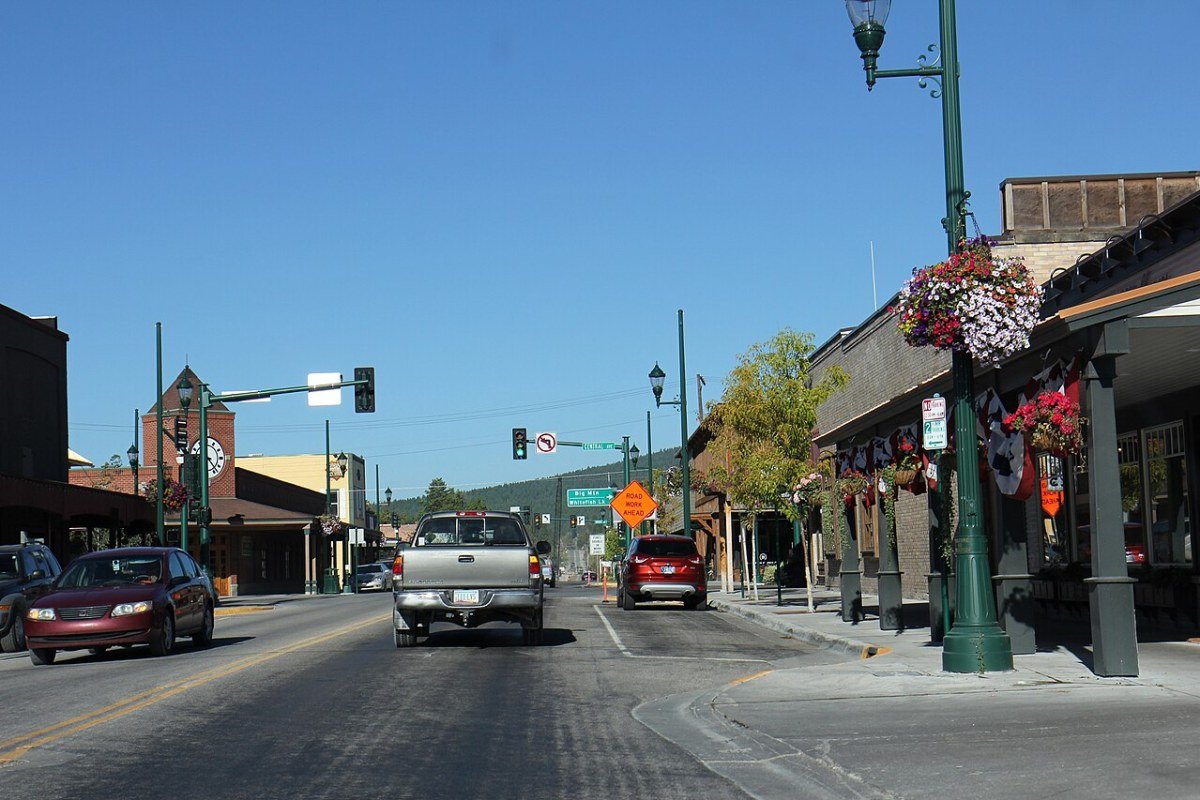
Whitefish, in the Flathead Valley about 25 miles from Glacier National Park’s west entrance, is Montana’s most complete resort town — a community of roughly 9,000 permanent residents that doubles in population during ski season (Whitefish Mountain Resort, formerly Big Mountain, is one of the finest ski resorts in the Northwest) and fills again in summer with Glacier visitors, kayakers on Whitefish Lake, and cyclists on the Going-to-the-Sun Road. The downtown — three blocks of independent restaurants, bars, and shops on Central Avenue — provides a genuine community character that distinguishes Whitefish from purely transient resort communities. The Saturday farmers market, the Tuesday summer concert series at the city beach, and the Gateway to Glacier Film Festival reflect a permanent community that takes its cultural life seriously despite the seasonal tourism that surrounds it.

Median home prices of $750,000–$1.2 million for single-family homes (with lakefront and ski-access properties reaching well above that) reflect the resort premium that has made Whitefish one of the most expensive markets in the state. The permanent community skews toward outdoor professionals, artists, and remote workers who have chosen Whitefish for lifestyle rather than employment convenience. The trade-offs are clear — Whitefish is genuinely small-town isolated when tourist season ends (the nearest major hospital is in Kalispell, about 15 miles south; the nearest major airport with significant service is Glacier Park International, roughly 12 miles away). But for households who want the specific combination of world-class skiing, Glacier on the doorstep, and mountain-lake recreation, Whitefish offers one of the most complete packages available in the Mountain West.
4. Billings — Montana’s Most Underrated City
Billings, Montana’s largest city with about 120,000 residents, is consistently undervalued in discussions of Montana’s best places to live — an oversight that reflects the city’s position in eastern Montana (away from the Rocky Mountain scenery that drives most in-migration) and its industrial economy (oil refining, agriculture, and the medical/retail services that make it the regional center for a vast territory). But Billings offers genuine quality of life: the Rimrocks (the sandstone cliffs that frame the city’s north edge, with trail access and dramatic views east across the Yellowstone River valley) put outdoor recreation right at the city’s edge; the Yellowstone Art Museum houses the finest contemporary art collection in Montana; and the healthcare infrastructure (Billings Clinic and Intermountain Health St. Vincent Regional Hospital are both major regional medical centers) provides specialist access that Missoula and Bozeman cannot match in every field.
Median home prices of $375,000–$430,000 make Billings the most affordable of Montana’s larger cities — a genuine opportunity for households who want Montana living without the Bozeman or Missoula premium. The Rimrock area offers the most desirable residential settings, with the closest cliff trail access; the Billings Heights area leans toward more affordable suburban options. The Yellowstone River access east of the city, the proximity to the Pryor Mountains and the Bighorn Canyon National Recreation Area, and the roughly 2.5-hour drive to Bozeman and the national park corridor make Billings less isolated than its eastern Montana position suggests.
5. Helena — The Capital’s Quiet Livability
Helena, Montana’s state capital with about 35,000 residents, occupies a unique position in the state’s residential landscape — a small city with more political employment, institutional stability, and historic character (the Cathedral of Saint Helena, the historic Walking Mall, the mansions of the Original Governor’s Mansion district) than its size would suggest. The Gates of the Mountains Wilderness, accessible by boat tour on the Missouri River north of Helena, brings Lewis and Clark history directly to the city; the Helena-Lewis and Clark National Forest opens hiking straight from the city edge; and the median home prices of $385,000–$430,000 reflect Helena’s smaller employment base rather than any lack of residential quality. For state government employees, lobbyists, attorneys, and the administrative class that surrounds the Capitol, Helena offers a stable, community-oriented small-city lifestyle that Bozeman’s growth has made increasingly hard to find in Montana’s western corridor.
Frequently Asked Questions
What makes Bozeman the most desirable city in Montana?
Bozeman has been the most sought-after small city in the American West for the past decade — combining outdoor recreation access (Big Sky Resort roughly an hour south, Bridger Bowl ski area 16 miles north, Yellowstone’s north entrance about 80 miles south, the Gallatin River for world-class fly fishing reachable from the city limits) with a downtown culture of excellent restaurants, the Emerson Center for the Arts, and Montana State University’s growing technology and research enterprise generating a startup ecosystem. The Bozeman lifestyle is genuinely exceptional for households who can afford the $725,000-plus median home price: the combination of urban amenity (Trader Joe’s, Whole Foods, excellent restaurants, a genuine arts community) and wilderness access (trail systems accessible from neighborhoods on the north and south sides) is available in few other American cities. The trade-offs are the cost, rapid growth that has diluted small-town character, and winters that average roughly 70 inches of snow with temperatures that regularly drop below zero.
What makes Missoula distinctive as a place to live in Montana?
Missoula offers a different version of Montana living from Bozeman — more intellectual, more bohemian, more oriented toward arts and writing than resort skiing and tech entrepreneurship. The University of Montana’s creative writing MFA program (one of the most distinguished in the country, having produced writers including James Welch and David James Duncan) defines Missoula’s intellectual culture. Shakespeare & Company bookstore has anchored the downtown since 1998; the Missoula Symphony, International Wildlife Film Festival, and Montana Book Festival create a cultural depth unusual for a city of nearly 80,000. The Clark Fork River trail system connects the university campus to downtown; the Rattlesnake Wilderness is accessible on foot from the north side of town; and the bicycle-friendliness of the central neighborhoods creates outdoor quality of life without requiring a car. Median home prices of $520,000–$650,000 are below Bozeman’s but represent the same appreciation trend.
What does Whitefish offer as Montana’s premier resort town?
Whitefish, in the Flathead Valley about 25 miles from Glacier National Park’s west entrance, is Montana’s most complete resort town — a community of roughly 9,000 permanent residents that doubles during ski season at Whitefish Mountain Resort (one of the finest ski resorts in the Northwest) and fills again in summer with Glacier visitors, kayakers on Whitefish Lake, and cyclists on the Going-to-the-Sun Road. The downtown — three blocks of independent restaurants, bars, and shops on Central Avenue — provides genuine community character that distinguishes Whitefish from purely transient resort communities. Median home prices of $750,000–$1.2 million for single-family homes (with lakefront and ski-access properties reaching well above that) reflect the resort premium. The trade-off is clear: Whitefish is genuinely small-town isolated when tourist season ends, with the nearest major hospital in Kalispell (about 15 miles south) and the nearest significant airport roughly 12 miles away.
What makes Billings Montana’s most underrated city?
Billings, Montana’s largest city with about 120,000 residents, is consistently undervalued in discussions of Montana’s best places to live. The Rimrocks — sandstone cliffs framing the city’s north edge — provide immediate outdoor recreation access with trail systems and dramatic views east across the Yellowstone River valley. The Yellowstone Art Museum houses the finest contemporary art collection in Montana. The healthcare infrastructure — Billings Clinic and Intermountain Health St. Vincent Regional Hospital are both major regional medical centers — provides specialist access that Missoula and Bozeman cannot match in every field. Median home prices of $375,000–$430,000 make Billings the most affordable of Montana’s larger cities. The proximity to Bighorn Canyon National Recreation Area, the Pryor Mountains, and the roughly 2.5-hour drive to Bozeman and the national park corridor make Billings less geographically isolated than its eastern Montana position suggests.
What does Helena offer as Montana’s state capital?
Helena, Montana’s state capital with about 35,000 residents, offers a small city with more political employment, institutional stability, and historic character than its size suggests. The Cathedral of Saint Helena, the historic Walking Mall, and the mansions of the Original Governor’s Mansion district reflect the city’s history as a gold rush boomtown and state capital. The Gates of the Mountains Wilderness — accessible by boat tour on the Missouri River north of Helena — brings Lewis and Clark history directly to the city; the Helena-Lewis and Clark National Forest provides accessible hiking from the city edge. Median home prices of $385,000–$430,000 provide affordability that reflects Helena’s smaller employment base rather than any lack of residential quality. For state government employees, attorneys, and the administrative class surrounding the Capitol, Helena provides a stable, community-oriented small-city lifestyle that Bozeman’s growth has made increasingly hard to find in Montana’s western corridor.