Minnesota‘s residential map is dominated by the Twin Cities metropolitan area, which holds more than 60% of the state’s population and nearly all of its high-income employment. Within that metro, the spread of places to live runs wide — from the walkable streets of Minneapolis and St. Paul’s historic districts to the lake-country suburbs of the western metro, the arts neighborhoods of Northeast Minneapolis, and the Victorian splendor of Summit Avenue. Beyond the metro, Duluth and the North Shore towns offer a different bargain for households with location-independent income who weigh wild landscape over urban amenity.
.jpg?width=1200)
1. Linden Hills and Kenwood — Minneapolis’s Premier Neighborhoods
Linden Hills and Kenwood, in southwest Minneapolis between Lake Harriet and Lake of the Isles, sit at the top of almost everyone’s list for urban living in the Twin Cities — Craftsman bungalows, Arts and Crafts houses, and Colonial Revivals on tree-lined streets, with the Minneapolis Chain of Lakes park system a few steps from the front door. The Chain — Lake of the Isles, Bde Maka Ska (formerly Lake Calhoun), Lake Harriet, and Cedar Lake, strung together by a 13-mile trail — is the amenity that shapes daily life here: a string of lakes and parkway in the middle of a major city, where people run, cycle, swim, sail, and ice skate straight through the year. You reach the water on foot, not by car, and that one fact sets the rhythm of the neighborhood.
Linden Hills’ commercial strip on 43rd Street works as a true town center — Sebastian Joe’s ice cream parlor (a local institution), a handful of independent restaurants, a bookstore, and a farmers market. Single-family homes run roughly $550,000–$800,000, the going rate for lakefront access and houses with this much history. For buyers who can clear that bar, Linden Hills and Kenwood are about as good as city living in Minneapolis gets.
2. Northeast Minneapolis — The Arts District
Few corners of Minneapolis have changed as much in fifteen years as Northeast. Once a working-class enclave of Polish, Ukrainian, and Eastern European families, it now holds the densest concentration of artists in the Twin Cities — more than 200 studios, a cluster of galleries (the Art-A-Whirl open-studio tour each May is the largest in the country), and a brewery and restaurant scene anchored by Surly Brewing, Indeed Brewing, and Dangerous Man Brewing. The redbrick warehouses turned into studios and workshops give the area a worn-in authenticity that planned arts districts rarely manage.
Prices here have climbed as the reputation grew, but they still undercut the southwest neighborhoods: figure $280,000–$420,000 for bungalows and smaller houses on the streets behind the commercial corridors. Artists, designers, and younger professionals come for the density and the creative crowd. The METRO Green Line extension and the existing bus network connect the area to downtown, and the University of Minnesota’s east-bank campus next door keeps the mix of residents young and varied.
3. Cathedral Hill — St. Paul’s Best Neighborhood
Cathedral Hill, just west of the Cathedral of Saint Paul, is the most architecturally distinguished place to live in the Twin Cities — Victorian mansions and Queen Anne houses built on the fortunes of St. Paul’s late-19th-century heyday as the territory’s commercial hub, now protected as a historic district that holds some of the finest homes in the Midwest. Grand Avenue, one of the best independent retail and restaurant streets in the region, runs nearby; Summit Avenue’s boulevard mansions are around the corner; and the hilltop position opens views east toward downtown St. Paul and across the river to Minneapolis.
Houses run $300,000–$550,000 — consistently 15–20% below comparable Minneapolis blocks — which makes Cathedral Hill one of the better buys in Twin Cities homeownership. The catch is St. Paul’s quieter cultural life and the longer haul to many Minneapolis employers. For buyers who put historic architecture, walkable streets, and a softer price ahead of proximity to Minneapolis’s cultural core, St. Paul remains the metro’s most underrated value.

4. Edina — The Premier Twin Cities Suburb
Edina, directly south of Minneapolis in Hennepin County, is the metro’s most sought-after suburb. The draw is a trio of strengths: public schools that rank among the best in Minnesota and the wider Midwest; the 50th and France shopping street, one of the few suburban centers in the Twin Cities you can actually walk, with independent restaurants, a movie theater, and specialty shops; and a housing stock of steady quality that trades from $450,000 to $800,000. Centennial Lakes Park — a linear green space with a reflecting pond, walking trails, and summer concerts — gives the city the kind of gathering ground most suburbs never build.
The population skews affluent and family-first, and the school district’s reputation drives a good share of demand. For families with school-age kids working in south Minneapolis, the southwest suburbs, or the airport-Bloomington corridor, no other Twin Cities address offers a surer bet on public-school quality.
5. Grand Marais — North Shore Living
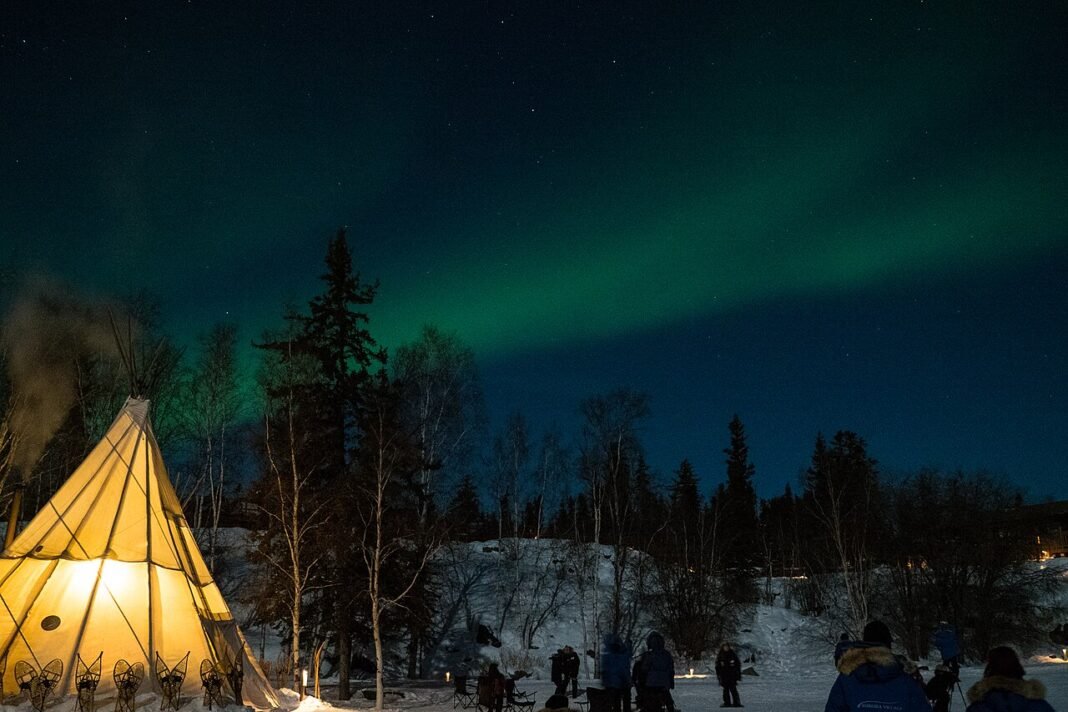
Grand Marais, on the North Shore of Lake Superior 110 miles northeast of Duluth, is the most compelling small-town option in Minnesota for anyone with location-independent income — a town of about 1,200 year-round residents (many times that in summer) with a cultural life out of all proportion to its size. The North House Folk School runs year-round courses in Nordic crafts, boatbuilding, and wilderness skills; the Arrowhead Center for the Arts stages performances and exhibitions; and the galleries clustered around the harbor reflect a community of artists who landed here on purpose, drawn by the lake and the people.
Houses sell for $250,000–$500,000, with a steep premium for Lake Superior views and a short walk to the harbor. The trade-offs are real: the nearest full-scale hospital is 110 miles away in Duluth; winter in a small, cold-climate town demands genuine commitment; and the summer tourist crush can swamp a place this small. But for remote workers, artists, and retirees willing to sign on, Grand Marais delivers a daily life — the lake, the Boundary Waters at the doorstep, the tight-knit town — that no Twin Cities neighborhood can match.
6. Rochester — The Mayo Clinic City
Rochester, 90 miles south of Minneapolis, is Minnesota’s third-largest city and one of the more unusual in the country — a city of roughly 122,000 whose entire economy and culture revolve around Mayo Clinic, the world’s largest integrated nonprofit medical center, which employs more than 34,000 people here. Mayo draws patients from around the world, which lends a genuinely international texture to daily life in a mid-sized Minnesota city. The Destination Medical Community initiative, a $5 billion public-private program, is reworking downtown with hotels, restaurants, a new entertainment district, and infrastructure that is pushing the city past its old company-town feel. Home prices of $250,000–$380,000 buy a lot for a city with Mayo’s payroll, solid schools, and real urban amenities.
Frequently Asked Questions
What makes Linden Hills and Kenwood Minneapolis’s premier neighborhoods?
Linden Hills and Kenwood, in southwest Minneapolis between Lake Harriet and Lake of the Isles, sit at the top of almost everyone’s list for urban living in the Twin Cities — Craftsman bungalows, Arts and Crafts houses, and Colonial Revivals with the Minneapolis Chain of Lakes park system a few steps away. The Chain — Lake of the Isles, Bde Maka Ska (formerly Lake Calhoun), Lake Harriet, and Cedar Lake, strung together by a 13-mile trail — is the amenity that shapes daily life here, with running, cycling, swimming, sailing, and ice skating straight through the year. You reach the water on foot, not by car. Linden Hills’ 43rd Street strip (Sebastian Joe’s ice cream, independent restaurants, a bookstore, a farmers market) works as a true town center. Single-family homes run roughly $550,000–$800,000, the going rate for lakefront access and historic houses.
Why is Northeast Minneapolis the Twin Cities’ most active arts district?
Few corners of Minneapolis have changed as much in fifteen years as Northeast — once a working-class Polish, Ukrainian, and Eastern European enclave, now the densest cluster of artists in the Twin Cities. More than 200 studios, a run of galleries (the Art-A-Whirl open-studio tour each May is the largest in the country), and a brewery and restaurant scene anchored by Surly Brewing, Indeed Brewing, and Dangerous Man Brewing define the area. The redbrick warehouses turned into studios give it a worn-in authenticity that planned districts rarely manage. Prices of $280,000–$420,000 for bungalows still undercut the southwest neighborhoods, drawing artists, designers, and younger professionals after density and a creative crowd.
What makes Cathedral Hill the best value in Twin Cities homeownership?
Cathedral Hill, just west of the Cathedral of Saint Paul, is the most architecturally distinguished place to live in the Twin Cities — Victorian mansions and Queen Anne houses built on the fortunes of St. Paul’s late-19th-century heyday as the territory’s commercial hub, now protected as a historic district that holds some of the finest homes in the Midwest. Grand Avenue, one of the best independent retail and restaurant streets in the region, runs nearby, and Summit Avenue’s boulevard mansions are around the corner. Houses run $300,000–$550,000 — consistently 15–20% below comparable Minneapolis blocks — which makes Cathedral Hill one of the better buys in Twin Cities homeownership.
What makes Edina the Twin Cities’ premier suburb?
Edina, directly south of Minneapolis in Hennepin County, pairs public schools that rank among the best in Minnesota and the Midwest with the 50th and France shopping street — one of the few suburban centers in the Twin Cities you can actually walk, with independent restaurants, a movie theater, and specialty shops — and a housing stock of steady quality from $450,000 to $800,000. Centennial Lakes Park adds a linear green space with a reflecting pond, walking trails, and summer concerts, the kind of gathering ground most suburbs never build. For families with kids working in south Minneapolis, the southwest suburbs, or the airport-Bloomington corridor, no other Twin Cities address offers a surer bet on public-school quality.
What does Rochester offer as a non-Twin-Cities Minnesota option?
Rochester, 90 miles south of Minneapolis, is one of the more unusual cities in the country — a city of roughly 122,000 whose entire economy and culture revolve around Mayo Clinic, the world’s largest integrated nonprofit medical center, which employs more than 34,000 people here. Mayo draws patients from around the world, lending a genuinely international texture to daily life in a mid-sized Minnesota city. The Destination Medical Community initiative — a $5 billion public-private program — is reworking downtown with hotels, restaurants, a new entertainment district, and infrastructure improvements. Home prices of $250,000–$380,000 buy a lot for a city with Mayo’s payroll, solid schools, and real urban amenities. Grand Marais on the North Shore is the alternative for remote workers after a Lake Superior wilderness life.