Wisconsin Travel Guide 2026: Door County, Great Lakes, and Cheese Country
Wisconsin is the Midwest’s most distinctive travel destination — a state shaped by glaciers that left behind 15,000 lakes (more lakes than any contiguous state), carved the Driftless Area’s dramatic ridges and valleys in the southwest, and filled the Door County peninsula with the cliff-lined shores and cherry orchards that have made it the most visited destination in the state. Milwaukee, Wisconsin’s largest city, has reinvented itself from a Rust Belt industrial relic into a destination city with the finest architecture tour in the Midwest, a Summerfest music festival that is the largest outdoor music event in the world, and a craft brewery scene built on the German brewing heritage that shaped the city’s industrial character. Madison, the capital and home of the University of Wisconsin, occupies the isthmus between two lakes in a setting that ranks among the most beautiful state capital locations in the country. And through it all, Wisconsin remains the state that produces more cheese than any other — 30% of all American cheese comes from Wisconsin’s dairy farms, and the cheese trail and supper club culture that surrounds it is as authentically Wisconsin as the Packers.
Door County: Wisconsin’s Peninsula
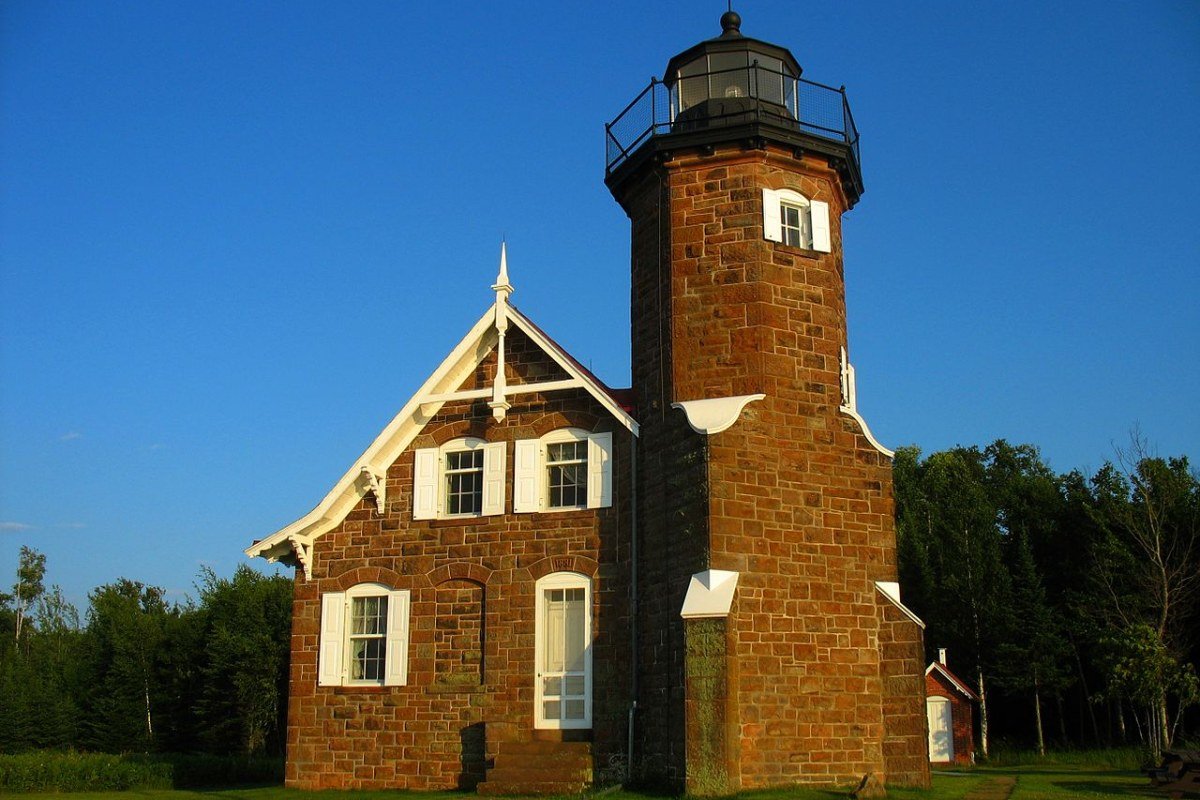
Door County, the limestone peninsula extending into Lake Michigan between Green Bay and the main lake, is Wisconsin’s most celebrated destination — 300 miles of shoreline, five state parks, a dozen lighthouses, cherry and apple orchards, and the fishing villages of Ephraim, Fish Creek, Egg Harbor, and Sister Bay that have maintained their maritime character despite becoming premium resort destinations. The peninsula’s geography — with Green Bay’s warmer waters on one side and Lake Michigan’s colder, clearer waters on the other — creates distinct landscapes at its various parks: Peninsula State Park (3,776 acres, 20 miles of shoreline, the most visited state park in Wisconsin) provides the full Door County experience, from limestone bluff overlooks to sandy beaches to the American Folklore Theatre’s outdoor performances. Cave Point County Park’s wave-carved limestone caves and Newport State Park’s designated dark sky status for stargazing complete a park system that is remarkable for a county of 30,000 permanent residents.
Door County Highlights
- Peninsula State Park: 3,776 acres; Eagle Bluff Lighthouse; 5.1-mile Sunset Trail for cycling; summer outdoor theatre
- Cave Point County Park: Wave-carved sea caves in Lake Michigan limestone; the most dramatic geological feature on the peninsula
- Fish boil tradition: Door County’s signature culinary event — whitefish and potatoes cooked in an outdoor cauldron, finished by throwing kerosene on the fire to create the “boilover”; performed nightly at The Old Post Office and other restaurants May–October
- Cherry and apple orchards: U-pick orchards line County Road A and Highway 42 through the harvest season (August–October)
.jpg?width=1200)
Milwaukee: The Craft Beer and Architecture Capital
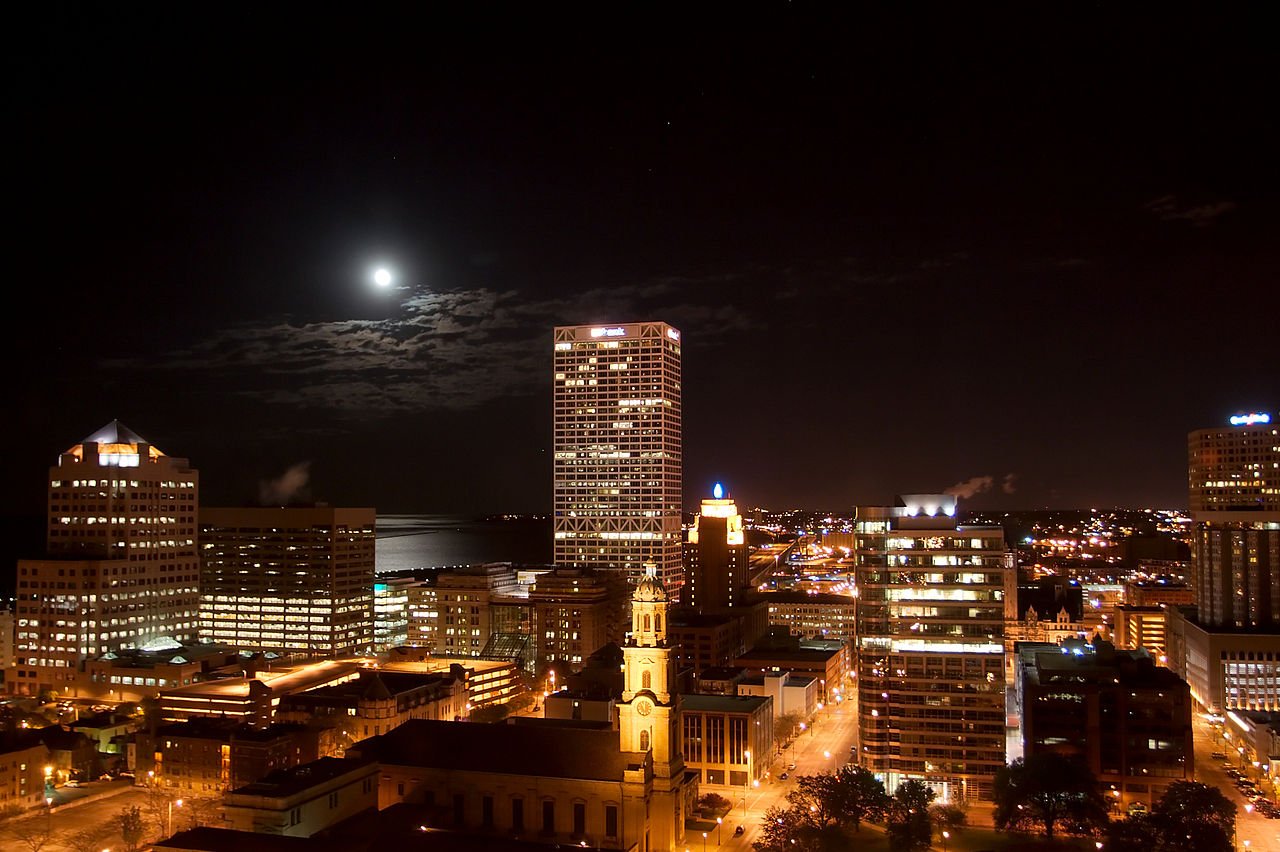
Milwaukee’s cultural transformation over the past two decades has produced one of the Midwest’s most interesting cities for visitors — a compact, walkable downtown with the finest collection of Flemish Renaissance Revival commercial architecture in North America (the Historic Third Ward and the Pabst Mansion provide architectural tours that rival Chicago for built heritage), a craft beer scene that builds explicitly on the German brewing tradition that shaped the city (Lakefront Brewery, Sprecher, MKE Brewing, and the historic Pabst and Miller facilities all offer tours), and Summerfest, the 11-day music festival on the lakefront that draws 800,000+ visitors and features 1,000 performances on multiple stages — the world’s largest outdoor music event. The Milwaukee Art Museum’s Santiago Calatrava-designed Quadracci Pavilion (the brise soleil opening like a bird’s wings twice daily) is among the most photographed buildings in the Midwest.
Madison: Lakes, University, and the Wisconsin Idea
Madison, the state capital and home of the University of Wisconsin’s flagship 45,000-student campus, occupies a narrow isthmus between Lake Mendota and Lake Monona in a geographic setting that has made it consistently one of the most livable cities in the country. State Street (the pedestrian corridor connecting the Capitol to the UW campus) concentrates independent restaurants, bookstores, coffee shops, and live music venues in six blocks. The Saturday Dane County Farmers’ Market (the nation’s largest producer-only farmers market, circling the Capitol Square) draws 20,000+ visitors weekly April–November. The UW Terrace (Memorial Union’s lakefront terrace on Lake Mendota) is one of the finest public gathering spaces in the Midwest — sunset views over the lake with live music and Wisconsin beer, open to the public.
Wisconsin Dells: America’s Waterpark Capital
Wisconsin Dells, a resort city of 3,000 permanent residents in the Wisconsin River’s sandstone gorge country, is the most concentrated waterpark destination in the world — with more than 20 indoor and outdoor waterparks in a 10-mile corridor, Wisconsin Dells draws 4 million visitors annually for the combination of waterpark attractions and the original geological attraction: the Dells themselves, the dramatic rock formations carved by glacial flooding through Wisconsin sandstone that 19th-century photographers H.H. Bennett made famous. Upper Dells and Lower Dells boat tours navigate the original gorge; the Tommy Bartlett water ski show (running since 1952) provides Dells nostalgia; and the newer Kalahari and Great Wolf Lodge complexes represent the apex of indoor waterpark resort development.
Wisconsin’s Cheese and Culinary Trail
Wisconsin’s identity as the nation’s dairy capital is inseparable from its travel experience — the state produces 30% of all American cheese, and the Wisconsin cheese trail connects dozens of artisan creameries, farmstead cheese makers, and historic factories across the state. The Monroe area in Green County is the Swiss cheese capital of the United States, where Emmentaler-style cheeses have been made since Swiss immigrants settled in the 1840s; the Carr Valley Cheese and the Hook’s Cheese Company near Madison represent the artisan creamery tradition at its finest. The Friday fish fry — a Wisconsin tradition rooted in the Catholic immigrant culture of Milwaukee and Green Bay — is as much a cultural institution as a meal, transforming taverns, restaurants, and VFW halls across the state into weekly community gatherings. Understanding Wisconsin’s food culture is essential context for any visit.