Vermont Travel Guide 2026: Fall Foliage, Ski Resorts, and New England Charm
Vermont is the most rural state in New England and arguably the most visually distinctive — a landscape of rolling green hills, covered bridges, white-steepled village churches, dairy farms, and sugar maples that turns incandescent orange and red every October in the most celebrated fall foliage display in North America. The state’s 625,000 residents occupy a landscape that has resisted the suburban sprawl defining most of the northeastern United States, preserving a character that visitors experience as both genuinely historic and deliberately maintained. Burlington, Vermont’s largest city at just 45,000 people, sits on the eastern shore of Lake Champlain with views of the Adirondacks across the water — a university town with an outsized food, music, and arts scene relative to its size. The ski resorts of Stowe, Killington, and Sugarbush anchor the state’s winter economy and attract skiers from Boston, New York, and Montreal who find in Vermont’s Green Mountains the best lift-served skiing in the eastern United States.
Fall Foliage: The Peak Season
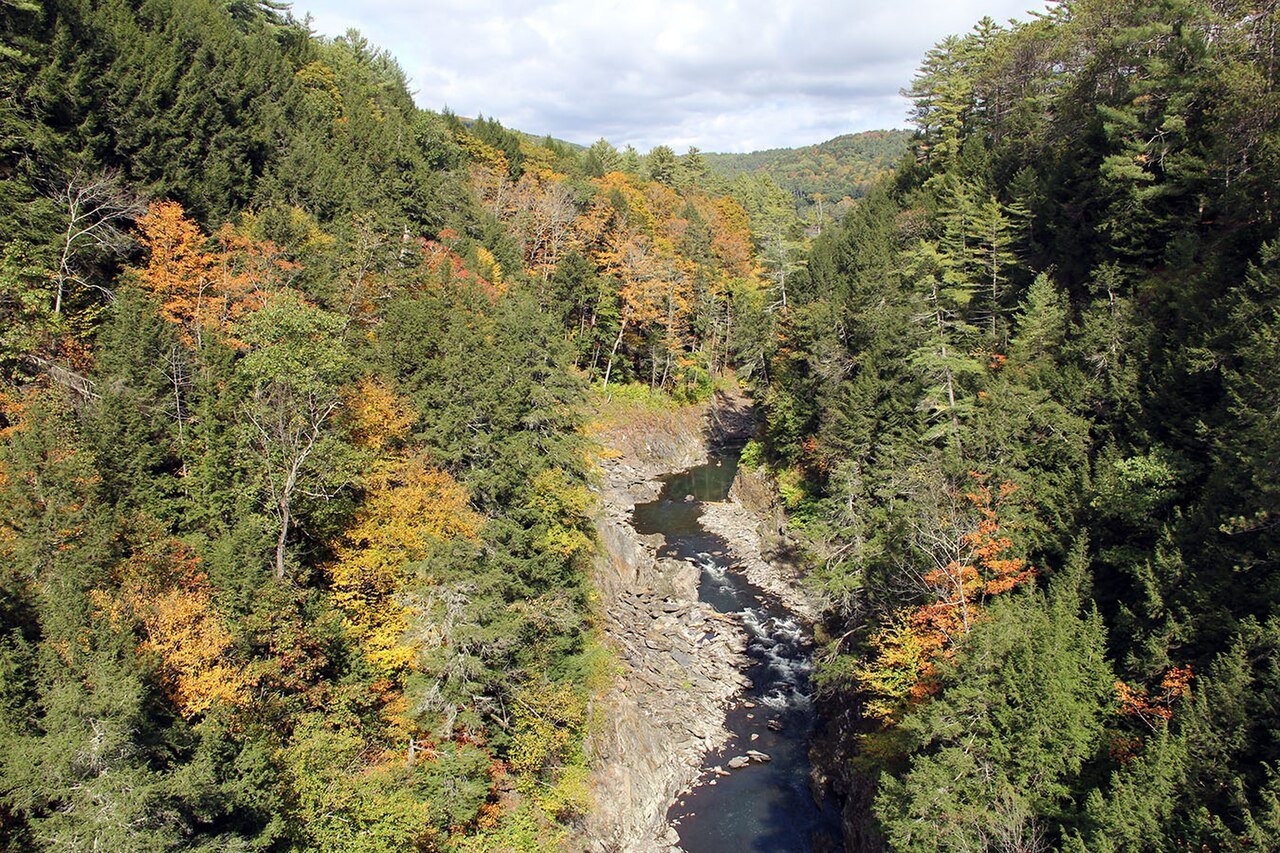
Vermont’s fall foliage season runs from late September through mid-October, moving from north to south as temperatures drop. The Green Mountain spine and the Northeast Kingdom (the remote northeastern corner of the state) typically see peak color in the first two weeks of October, while the Champlain Valley and southern Vermont peak a week or two later. The color display results from Vermont’s unusual combination of sugar maple dominance (sugar maples produce the most intense reds and oranges), cold nights that arrive earlier than in states further south, and a landscape of rolling hills that catches light at the dramatic angles that make foliage photography so compelling.
Best Foliage Routes
- Route 100: The spine of the Green Mountains from Readsboro to Newport — the quintessential Vermont drive, passing through ski towns and villages for 216 miles
- Northeast Kingdom (Route 2/5A): The most remote and dramatic foliage in New England; Lake Willoughby’s cliff-flanked waters surrounded by peak color
- Stowe Village to Smugglers’ Notch: Mountain Gap Road through the notch provides the most dramatic mountain foliage scenery in Vermont
- Mad River Valley (Route 100): Warren, Waitsfield, and the covered bridges of the Mad River — the most photographed foliage valley in the state
Stowe: Vermont’s Premier Resort Town
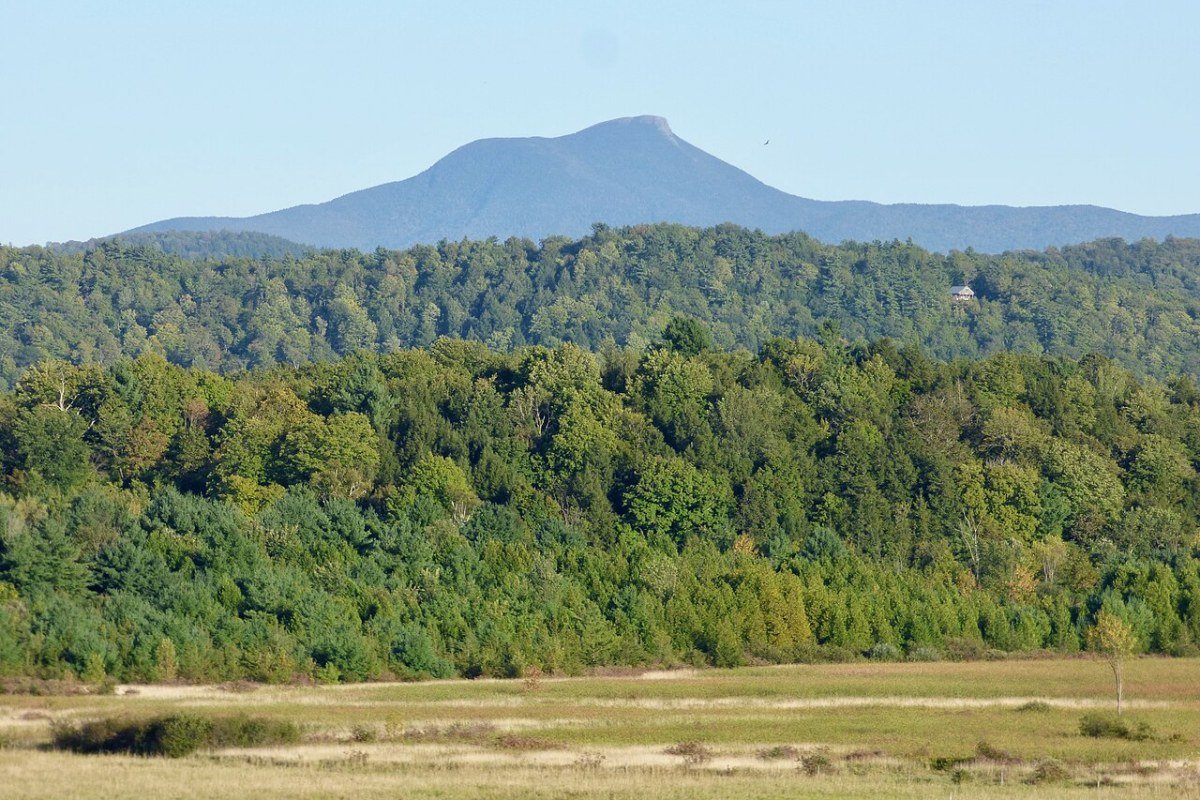
Stowe, at the base of Mount Mansfield (Vermont’s highest peak at 4,393 feet), is the most famous ski and resort town in New England — a village of 4,000 permanent residents that swells dramatically during ski season and fall foliage. The Stowe Mountain Resort, owned by Vail Resorts and part of the Epic Pass, provides 485 acres of lift-served terrain with a vertical drop of 2,360 feet. The resort’s Cliff House restaurant (reached by gondola) and the historic Stowe Mountain Lodge anchor a luxury resort experience unusual in Vermont’s generally understated accommodations landscape. The Stowe Recreation Path (5.3 miles, paved, following the West Branch River) is one of the finest in New England for cycling, running, and walking.
.jpg?width=1200)
Killington: The Beast of the East
Killington Resort, in central Vermont, is the largest ski resort in the eastern United States by terrain — 1,509 acres across six interconnected mountain peaks with a 3,050-foot vertical drop (the longest in the East). The resort’s snowmaking system is the most extensive in the East, reliably extending the season from October into May. Killington’s après-ski and nightlife scene is the liveliest in Vermont, centered on the Access Road’s concentration of bars and restaurants that create a mountain town energy unlike anywhere else in New England. The resort’s location on US Route 4 provides relatively easy access from Boston (3.5 hours) and New York (4.5 hours).
Burlington: Vermont’s Urban Hub
Burlington, on the eastern shore of Lake Champlain, is the cultural and commercial capital of Vermont — a city of 45,000 that functions far beyond its size as a food, music, and arts destination. Church Street (the pedestrian marketplace at the city’s heart) concentrates independent shops, restaurants, and cafes in a four-block stretch that generates the walkable urban density Vermont’s other communities lack. The Burlington waterfront, recently renovated with bike paths, a community boathouse, and ferry service to Port Kent, New York, provides lake access and Adirondack views that rank among the finest urban waterfronts in New England. The University of Vermont (14,000 students) and Champlain College provide the academic infrastructure that sustains the city’s intellectual and creative energy.
Ben & Jerry’s and Vermont Food Culture
Vermont’s food identity is disproportionately influential for a state of 625,000 — the farm-to-table movement that has now nationalized began in Vermont’s combination of working dairy farms, direct farmer-consumer relationships, and a counterculture food ethic that predates the current mainstream interest by decades. Ben & Jerry’s (founded in Burlington in 1978, factory tour in Waterbury) is the state’s most famous food export, but the deeper story is Vermont’s cheese making tradition (Cabot Creamery, Jasper Hill Farm, Vermont Creamery among the finest producers in the country), its maple syrup industry (Vermont produces 40% of all maple syrup made in the United States), and its craft brewing scene (The Alchemist in Stowe, Hill Farmstead in Greensboro Bend, Lawson’s Finest Liquids in Warren are among the most respected craft breweries in the country).
Vermont’s Northeast Kingdom
The Northeast Kingdom — Essex, Orleans, and Caledonia counties in Vermont’s remote northeastern corner — is the state’s least visited and most authentically rural region, a landscape of working farms, pristine lakes, and boreal forest that provides the purest version of Vermont’s character without the tourism premium of the ski resorts and foliage corridors. Lake Willoughby, flanked by 1,000-foot cliffs, is considered one of the most dramatically beautiful lakes in New England. East Burke’s Kingdom Trails mountain biking network attracts riders from across North America. Jay Peak Resort, just 10 miles from the Canadian border, receives more natural snowfall than any resort in the eastern United States (an average of 355 inches annually) and operates with a lower-key atmosphere than the more famous southern Vermont resorts. For travelers who find Stowe crowded and Killington too party-focused, the Northeast Kingdom offers the Vermont that Vermont residents actually love.