


North Carolina Travel Guide 2026: Mountains, Coast, and the Research Triangle
North Carolina spans 500 miles from the Atlantic Ocean’s Outer Banks barrier islands to the Great Smoky Mountains — a geographic range that encompasses three distinct physiographic regions (the Coastal Plain, the Piedmont, and the Mountains) with profoundly different characters and travel experiences. The Outer Banks — 200 miles of barrier islands off the northeastern North Carolina coast where the Wright Brothers made their first controlled powered flights in 1903 and where Cape Hatteras National Seashore protects the most undeveloped barrier island coastline on the East Coast — provide a beach experience uniquely North Carolinian in its combination of natural drama and historical depth. The Blue Ridge Parkway, the 469-mile scenic highway that traverses the Appalachian crest from Shenandoah National Park in Virginia to Great Smoky Mountains National Park in North Carolina, passes through Asheville (the most culturally vibrant small city in the American South) and provides fall foliage experiences that draw visitors from across the eastern United States. And the Research Triangle of Raleigh, Durham, and Chapel Hill has developed one of the most dynamic science, technology, and arts cultures in the American South.
Asheville: The Mountain Arts Capital
Asheville, a city of 95,000 in the Blue Ridge Mountains where the French Broad and Swannanoa Rivers meet, has established itself over the past two decades as the most culturally vibrant small city in the American South and one of the most interesting in the country — a community where craft brewing (more than 40 breweries within city limits, giving Asheville the highest brewery-per-capita ratio of any city its size in the United States), visual arts (the River Arts District along the French Broad has transformed former industrial buildings into studios and galleries occupied by more than 200 working artists), live music (the Orange Peel and the Grey Eagle are nationally significant independent venues; buskers and street musicians define the Lexington Avenue corridor), and the natural landscape access of the surrounding Blue Ridge combine in a way that has attracted creative professionals, remote workers, and retirees at a rate that has significantly reshaped the city’s demographics and housing market over the past decade.
The Biltmore Estate — the 8,000-acre mountain retreat built between 1889 and 1895 by George Vanderbilt, whose 250-room French Renaissance chateau remains the largest private residence in the United States — is Asheville’s most-visited individual attraction, with the house tours, the Frederick Law Olmsted-designed grounds and gardens, the winery (one of the most visited in the eastern US), and the seasonal events that draw visitors year-round. The estate’s admission price ($70–$90 per adult depending on season) is significant but the scale and quality of the experience — the Vanderbilt art collection, the 65 fireplaces, the indoor pool, the bowling alley, and the gardens that Olmsted designed to show beauty in every season — justify it for visitors with genuine interest in the Gilded Age achievement it represents.

The Outer Banks
The Outer Banks — the 200-mile chain of barrier islands stretching from the Virginia border south to Ocracoke Island — is North Carolina’s most distinctive geographic feature and one of the most significant natural and historical coastal landscapes on the Atlantic seaboard. Cape Hatteras National Seashore, established 1953 as the first national seashore in the country, protects 70 miles of barrier island beaches, dunes, and maritime forests between Bodie Island and Ocracoke, providing the most extensive undeveloped barrier island environment on the East Coast south of Maine. The Cape Hatteras Lighthouse (1870, 198 feet tall, the tallest brick lighthouse in North America) was physically moved 2,900 feet inland in 1999 to protect it from shoreline erosion — one of the most dramatic historic preservation engineering projects in American history.
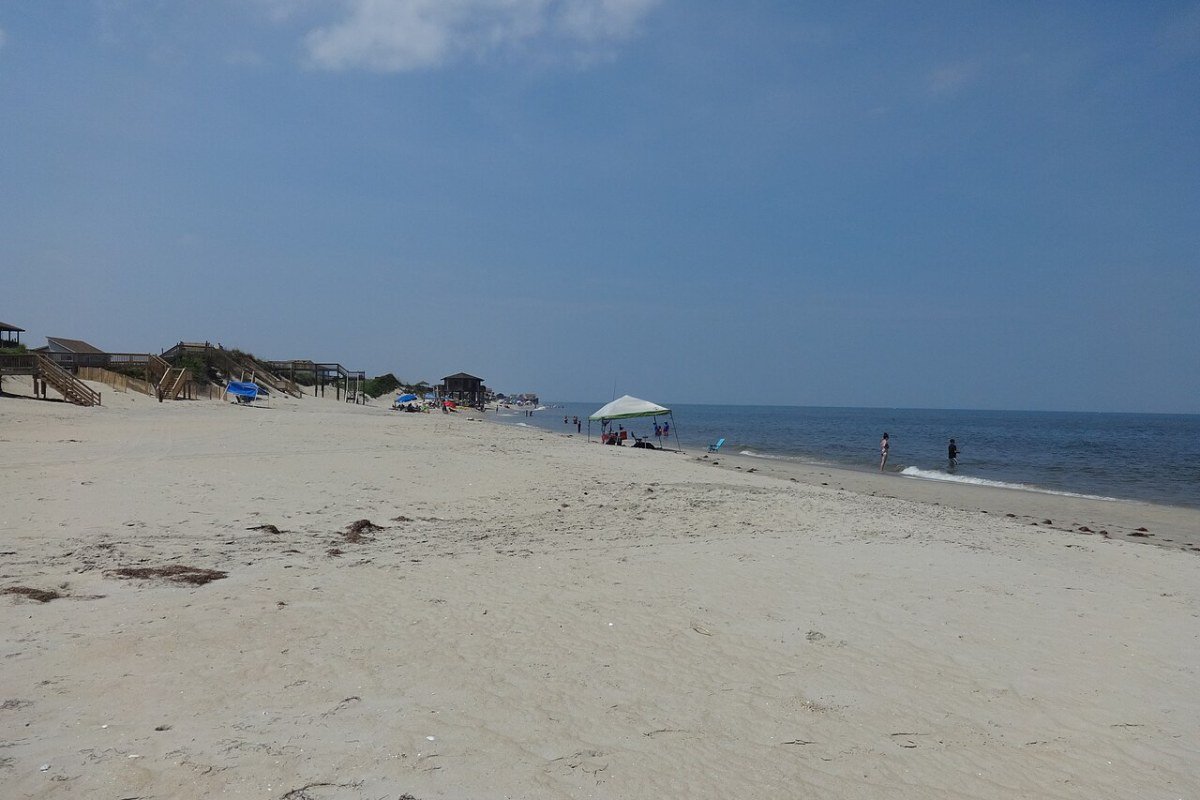
The Outer Banks’ historical significance extends beyond the lighthouse. Kill Devil Hills, where Wilbur and Orville Wright conducted their powered flight experiments, is preserved as the Wright Brothers National Memorial — the visitors center museum, the life-size reproductions of the 1903 Flyer, and the granite monument on Kill Devil Hill mark the spot where human aviation began on December 17, 1903. The Graveyard of the Atlantic Museum in Hatteras village documents the hundreds of shipwrecks in the treacherous Diamond Shoals offshore, where the Gulf Stream meets the cold Labrador Current in a zone of fog, wind, and shallow water that made this coastline among the most dangerous in the world for sailing vessels. For beach recreation, the communities of Nags Head, Kill Devil Hills, and the Dare County beach towns north of the National Seashore provide the lifeguarded swimming and beach access that the national seashore itself does not provide.
The Blue Ridge Parkway and Western North Carolina
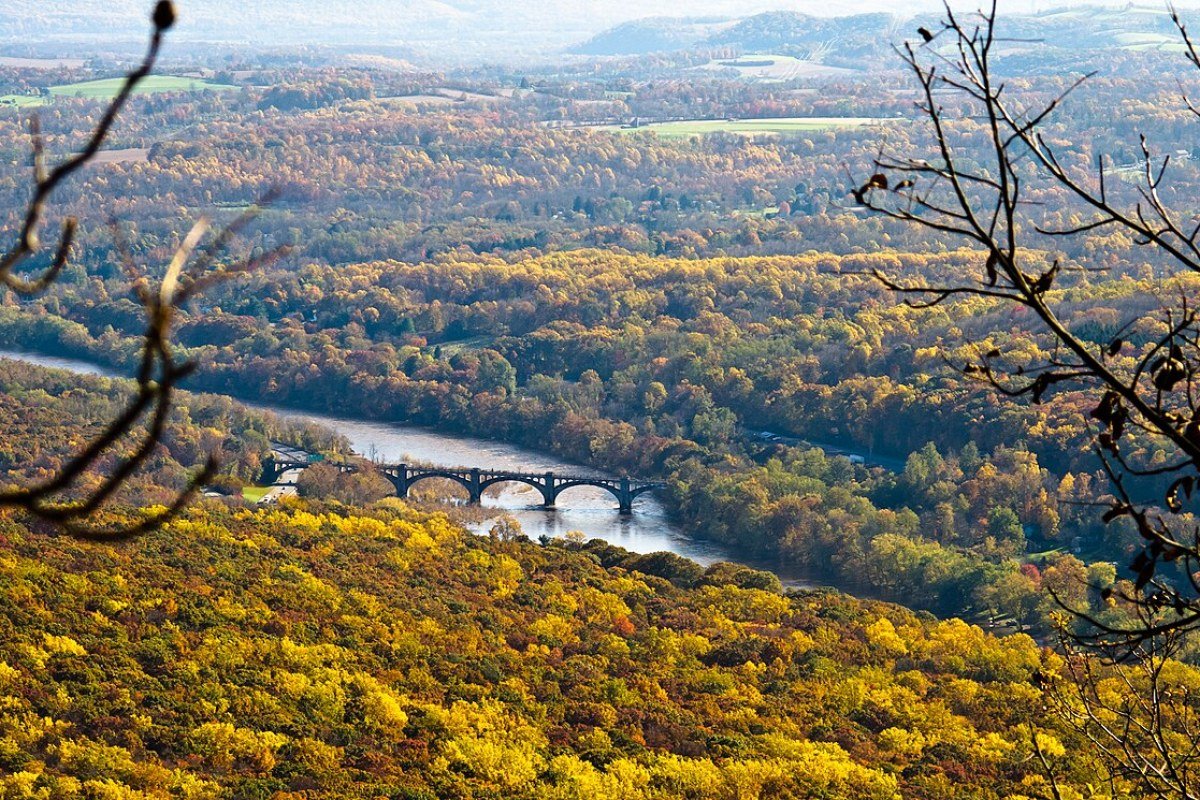
The Blue Ridge Parkway, the 469-mile scenic highway that follows the Appalachian crest from Shenandoah National Park in Virginia to the entrance of Great Smoky Mountains National Park at Cherokee, North Carolina, is one of the most visited units in the National Park System — attracting 16 million visitors annually who come for the overlook views, the fall foliage (typically peak in mid-October from the highest elevations to late October in the lower elevations), and the access to trail systems, waterfalls, and cultural sites along the route. The North Carolina section of the Parkway, from the Virginia border to Cherokee, traverses some of the most dramatic mountain terrain in the eastern United States — the Grandfather Mountain section (milepost 297-305) crosses the Blue Ridge Escarpment where the mountains drop dramatically to the Piedmont foothills, providing the most spectacular views on the entire Parkway.
The Great Smoky Mountains National Park, the most visited national park in the United States with approximately 12 million annual visits, straddles the North Carolina-Tennessee border. The North Carolina entrance at Cherokee provides access to the Oconaluftee Visitor Center, the Mountain Farm Museum (an outdoor museum of pioneer farm buildings relocated to the park), and the Newfound Gap Road that climbs to the Appalachian Trail crossing at Newfound Gap (5,046 feet). The Cataloochee Valley, in the remote eastern section of the North Carolina park, is the best location in the eastern United States for elk viewing — a herd of approximately 200 elk (reintroduced from 2001) graze the valley meadows at dawn and dusk from September through November, producing a wildlife encounter of extraordinary quality.
The Research Triangle: Durham and Chapel Hill
Durham, transformed over 40 years from a declining tobacco manufacturing city into one of the most dynamic mid-sized cities in the American South, provides the most interesting urban experience in the North Carolina Piedmont — a city where the American Tobacco Historic District (the former Bull Durham Tobacco factory complex, converted into a mixed-use development of restaurants, offices, and the Durham Bulls Athletic Park), the Durham Performing Arts Center (DPAC, which has hosted more Broadway touring productions than any venue outside New York and Los Angeles), the 21c Museum Hotel, and the emerging Brightleaf district have created genuine urban character. Chapel Hill, 12 miles west, provides the university town character of the University of North Carolina’s flagship campus and the independent restaurants and music venues of Franklin Street. Together with Raleigh’s growing arts and food scene (the Warehouse District, the NC Museum of Art’s 164-acre campus), the Triangle represents the most complete metropolitan cultural offering in the Carolinas.