


Why People Are Moving to Alabama — and Why the Numbers Make Sense
Alabama has been a net gainer of domestic migrants for several consecutive years, and the people who are moving there are not doing so by accident. They are weighing cost comparisons, researching job markets, and making deliberate decisions that the state’s combination of affordability, employment opportunity, and quality of life adds up to something genuinely attractive. Remote workers who can live anywhere, retirees on fixed incomes who have run the numbers on property taxes, engineers recruited by Huntsville’s aerospace economy — these are the people driving Alabama’s population growth, and they represent a real endorsement of what the state offers.
But moving anywhere requires preparation, and Alabama has its own specific characteristics — good and challenging — that anyone considering a relocation needs to understand before they sign a lease or purchase a home. This guide covers everything from the job market to the DMV process to what to expect from the culture, climate, and daily life.

The Alabama Job Market in 2026
Alabama’s economy is more diversified than its reputation suggests. The state’s largest employment sectors include aerospace and defense (concentrated in Huntsville), automotive manufacturing (Mercedes-Benz in Tuscaloosa, Hyundai in Montgomery, Honda in Lincoln, Toyota in Huntsville), healthcare (UAB in Birmingham is a national research and clinical powerhouse), financial services, and agriculture.
Huntsville is the state’s hottest job market by a significant margin. The combination of NASA’s Marshall Space Flight Center, Redstone Arsenal, the FBI’s Operational Technology Division (which has its largest campus there), and a growing cluster of defense contractors and tech startups has created a labor market that consistently underperforms the national unemployment rate. Median wages in the Huntsville metro are the highest in the state, and the demand for engineers, data scientists, cybersecurity professionals, and project managers continues to outpace supply.
Birmingham, despite its industrial legacy challenges, has rebuilt an economy around healthcare, finance, and professional services. UAB employs over 23,000 people and is consistently one of the largest employers in the Southeast. The financial services sector — anchored by Regions Financial, Protective Life, and BBVA (now PNC) — provides a steady base of professional employment. The tech startup ecosystem is growing, though still modest by comparison to Nashville or Atlanta.
For manufacturing workers, Alabama’s automotive sector offers strong employment with competitive wages and benefits. The state has actively recruited automotive OEMs and their supplier networks for decades, and the result is a cluster of manufacturing jobs that pays above average for the sector. Toyota’s Mazda Toyota Manufacturing facility north of Huntsville represents the most recent major investment, adding thousands of direct and indirect jobs.
Housing Market and What to Expect as a Buyer
Alabama remains one of the most accessible housing markets in the United States despite appreciation that has occurred in Huntsville and some Birmingham suburbs over the past five years. The overall state median home price is roughly half the national median, meaning that buyers who come from high-cost coastal markets often find themselves able to purchase homes significantly larger and more well-appointed than what they could afford in their origin market.
The process of buying a home in Alabama follows standard US practice. The state does not require attorney involvement at closing (though many buyers use one), and the typical transaction from accepted offer to closing runs 30–45 days with a conventional mortgage. Earnest money deposits of 1–2% are standard. Property taxes at closing are prorated, and the seller typically covers real estate agent commissions (this practice is currently in flux nationally following recent legal settlements, but Alabama has not seen dramatic changes as of early 2026).
First-time homebuyers can access the Alabama Housing Finance Authority’s Step Up program, which offers down payment assistance of up to 3% of the purchase price as a second mortgage. Income limits apply and the program is income-targeted, but for qualifying buyers it represents a meaningful path to homeownership.
If you are renting before you buy, plan to give yourself 3–6 months in the area before purchasing. Alabama’s neighborhoods are varied enough that local knowledge matters significantly for making a smart purchase decision. What looks like a great deal from a spreadsheet sometimes sits in a flood plain, backs up to commercial property, or involves a school district that hasn’t kept pace with its residential neighbors.
Schools and Education
Alabama’s public school system presents a mixed picture. The state has historically ranked in the lower tier of national education rankings, and those rankings reflect real challenges: below-average per-pupil funding in many districts, significant variation in quality between affluent suburban systems and rural or urban-core systems, and persistent achievement gaps.
However, those aggregate rankings obscure the reality of individual school systems that are genuinely excellent. Madison City Schools (serving Madison and parts of Huntsville suburbs) consistently ranks among the top school districts in the Southeast. Auburn City Schools, Vestavia Hills City Schools, Mountain Brook City Schools, and Homewood City Schools in the Birmingham area are all highly regarded. Families who do their research and choose their community deliberately can access public school quality that competes with the best in any state.
Charter schools are available in Alabama but limited in number compared to states that have invested more heavily in the sector. Private school options are strong in major cities, with both secular independent schools and a range of faith-based institutions operating at every price point. The Alabama Accountability Act provides tax credits for scholarship donations to qualifying private school programs, making private school more accessible for some lower- and middle-income families.
Higher education in Alabama is extensive and well-regarded in specific areas. The University of Alabama (Tuscaloosa), Auburn University, and UAB are all major research universities with strong programs in engineering, medicine, business, and law. Alabama A&M and Tuskegee University — both historically Black universities with deep legacies — are significant institutions in their own right. The community college system is extensive and provides accessible pathways to career training and university transfer.
Climate: What to Actually Expect
Alabama’s climate is genuinely pleasant for much of the year — a fact that draws retirees and remote workers who have grown tired of harsh winters. The state experiences a humid subtropical climate with hot, humid summers and mild winters. Snow is rare in the southern two-thirds of the state; the northern third, including Huntsville and the Appalachian foothills, receives occasional significant snowfall that can bring life to a halt given the region’s limited snow-removal infrastructure.
Summers deserve honest attention. June through September in most of Alabama is hot — consistently in the 90°F range — with high humidity that makes heat indexes feel significantly more intense. Outdoor activities during summer require early morning or evening timing, and air conditioning is not optional; it is a health necessity. The Gulf Coast benefits from afternoon sea breezes that moderate summer temperatures somewhat, but the humidity remains relentless.
Spring and fall are exceptional. March through May brings wildflower blooms, comfortable temperatures in the 65–80°F range, and the kind of clear, blue-sky days that make outdoor living feel like a continuous gift. September through November is similarly wonderful, with cooling temperatures, peak fall foliage in the northern part of the state, and the Gulf of Mexico still warm enough for comfortable swimming into October.
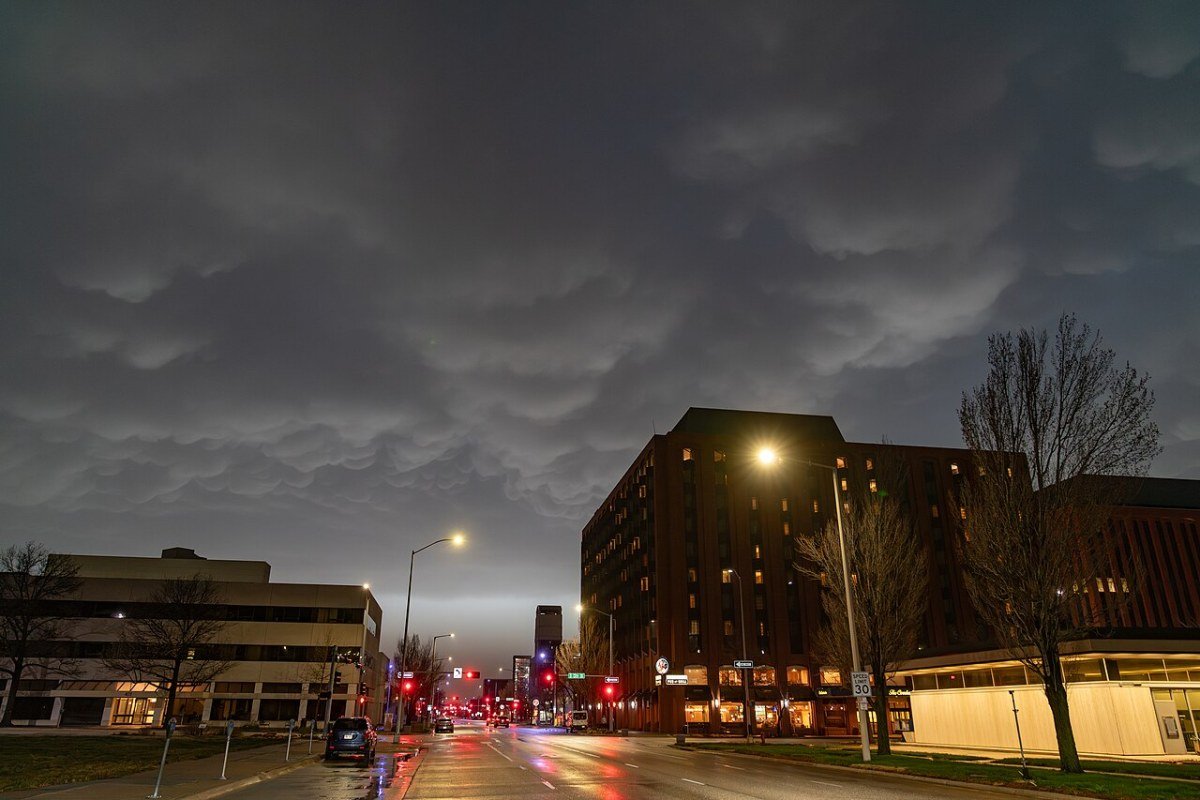
Severe weather is a genuine consideration. Alabama is located in what meteorologists sometimes call the “Dixie Alley” of tornado-prone states, and the state has experienced several catastrophic tornado outbreaks in living memory — most notably the April 27, 2011 tornado outbreak, which killed 253 people in Alabama alone. Tornado preparedness is genuinely important: understanding your home’s shelter options, maintaining a weather alert system (NOAA weather radio or a reliable smartphone app), and knowing the difference between a watch and a warning are non-negotiable basics for Alabama residents.
Getting Your Affairs in Order: Practical Relocation Steps
Once you have arrived in Alabama, the administrative process of establishing residency is relatively straightforward but time-sensitive. Here is what you need to do in roughly chronological order:
Driver’s license and vehicle registration: Alabama requires new residents to obtain an Alabama driver’s license within 30 days of establishing residency. You will need your out-of-state license, proof of identity (birth certificate or passport), Social Security card, and two proofs of Alabama residency (a utility bill and a bank statement with your Alabama address work well). Your vehicle must be registered within 30 days as well. Visit your county’s License Department — Alabama vehicle registration is handled at the county level, not centrally, which surprises many newcomers.
Voter registration: Alabama has same-day voter registration at the DMV when you obtain your driver’s license. You can also register online at alabamavotes.gov or by mail. Registration must be completed at least 15 days before an election to be eligible to vote.
Homestead exemption: If you purchase a home in Alabama and occupy it as your primary residence, you are entitled to a homestead exemption that reduces your assessed property value for tax purposes. Apply through your county tax assessor’s office. The standard exemption is $4,000 off assessed value; additional exemptions exist for seniors, disabled veterans, and others. This is worth doing promptly.
Healthcare: If you are not obtaining employer-provided health insurance, research your options carefully. Alabama’s marketplace exchange offers plans under the Affordable Care Act; enrollment periods apply. UAB Medicine, Huntsville Hospital, Ascension Health, and DCH Health System are the major healthcare networks, with facilities throughout the state.
Alabama Culture: What to Know Going In
Alabama is a deeply religious state. Christianity — primarily Baptist and Methodist denominations, with a significant Catholic presence in Mobile and along the Gulf Coast — is a central organizing force in social and community life for a large portion of the population. This manifests in everything from the density of churches to the Sunday-morning quiet in most neighborhoods to the way faith-based community organizations are often the first responders in times of neighborhood need. For newcomers from more secular backgrounds, this doesn’t mean you won’t fit in — it means understanding that community often organizes around faith institutions, and finding your own community connections may involve engagement with that landscape.
College football is not a cliché; it is a genuine cultural institution. The rivalry between the University of Alabama Crimson Tide and the Auburn Tigers is among the most intense in American sports, and it divides families, friendships, and entire communities in ways that outsiders consistently underestimate. Pick a side early, wear your colors with conviction, and you will find an immediate social infrastructure. Remain neutral, and you will spend the football season fielding earnest questions about why.
Southern hospitality, particularly in smaller cities and towns, is real and not performative. Neighbors often introduce themselves. Checkout clerks often make conversation. Strangers frequently hold doors, wave in traffic, and offer assistance. This level of social warmth is genuinely different from what most people experience in faster-paced northern or coastal cities, and it is one of the things transplants most frequently cite as a reason they stay.
Things Nobody Tells You Before You Move to Alabama
- The food is exceptional, particularly if you go beyond the obvious. Alabama’s BBQ, Gulf seafood, fried chicken, and traditional Southern sides are world-class in their execution at local, unpretentious establishments. Seek out the diners with no social media presence.
- Roads in rural areas can be challenging. State highway infrastructure in rural counties is often inadequate, and country roads sometimes test vehicles and patience equally. Factor this into any rural property purchase.
- The humidity takes adjustment. Even people who moved from other humid climates often note that Alabama summers feel more intense. Give yourself a full summer before you decide you hate the climate.
- Local pride is powerful and positive. Alabamians are proud of their state in a way that isn’t defensive — they genuinely believe it’s special and want you to discover why. Approach that enthusiasm with openness and it will open doors.
- The outdoor recreation is dramatically underappreciated. Most newcomers are surprised by the quality of hiking, kayaking, fishing, and nature access within easy reach of any Alabama city.
Final Assessment
Alabama is not for everyone, and it doesn’t pretend to be. It won’t offer you the cosmopolitan diversity of Atlanta or the mountain scenery of Colorado. But for people who value homeownership, low property taxes, a strong sense of community, genuine outdoor recreation access, and a standard of living that their income can actually support — Alabama makes a compelling case. The people who move there and stay tend to be the ones who understood what they were choosing. That is the best possible endorsement.