.jpg?width=1200)
Massachusetts Travel Guide 2026: Boston, Cape Cod, and the Berkshires
Massachusetts is a state that has shaped American history, literature, and intellectual life more than any other state of comparable size. The American Revolution began here. The nation’s first university was founded here. The transcendentalist movement, the abolitionist movement, and the technological revolution of the 19th century all had their centers in Massachusetts. Today, the state is home to the world’s greatest concentration of research universities, the finest natural beaches on the Northeast coast, mountain cultural institutions in the Berkshires that attract visitors from across the country, and a food scene in Boston that has evolved from clam chowder and baked beans to one of the most sophisticated culinary cities in the United States. Massachusetts rewards the visitor who engages with its history seriously — there is no other state where so much of American origin story is physically present and accessible.
Boston: America’s Walking City
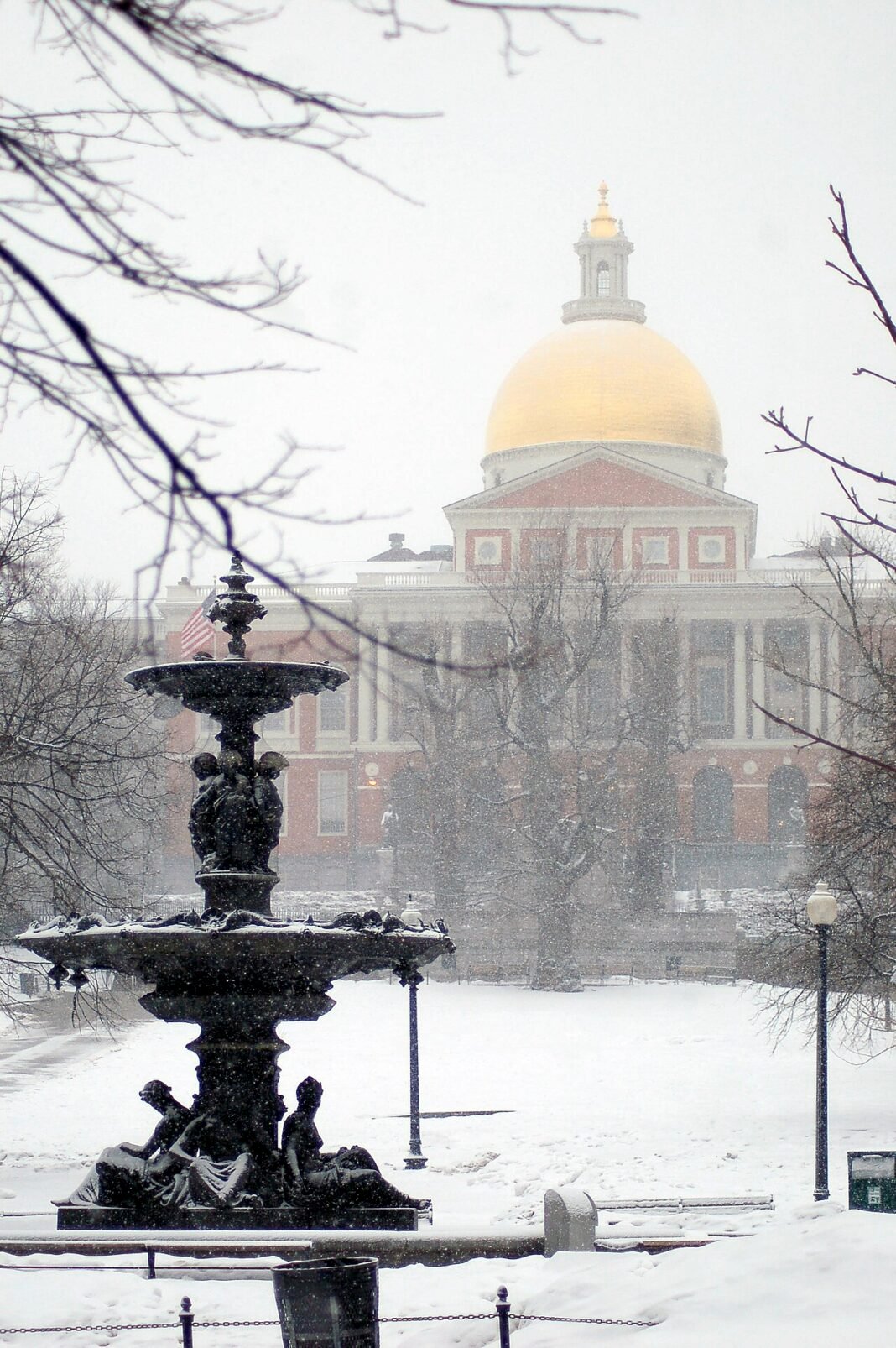
Boston is the most walkable major American city — a compact peninsula originally connected to the mainland only by a narrow neck, where the historic street pattern (following cow paths and colonial-era property lines rather than any urban grid) rewards pedestrian navigation in ways that make discovering new streets and neighborhoods the natural mode of exploration. The Freedom Trail — a 2.5-mile red-brick pathway through downtown Boston connecting 16 Revolutionary War-era sites from the Boston Common to the Bunker Hill Monument in Charlestown — provides the most concentrated introduction to American Revolutionary history available in any single walk. The Old North Church (1723), Paul Revere’s House, the USS Constitution (“Old Ironsides,” the oldest commissioned warship still afloat), and the site of the Boston Massacre are all accessible on a single afternoon.

The Museum of Fine Arts Boston houses one of the finest art collections in the United States — the Egyptian collection is among the most important outside of Cairo, and the American collection (from the colonial portraiture of John Singleton Copley through the Hudson River School to the American Impressionism of Childe Hassam) provides the most comprehensive survey of American painting in any single institution. The Isabella Stewart Gardner Museum, a few blocks from the MFA, preserves the eccentric collection of the Gilded Age collector in the exact arrangement she specified in her will (a condition of the bequest was that nothing be rearranged) — the result is one of the most personal and atmospheric museum environments in the world, and also the site of the largest unsolved art theft in history (the 1990 theft of 13 works including Vermeer’s The Concert and Rembrandt’s The Storm on the Sea of Galilee, never recovered).
Cape Cod and the Islands
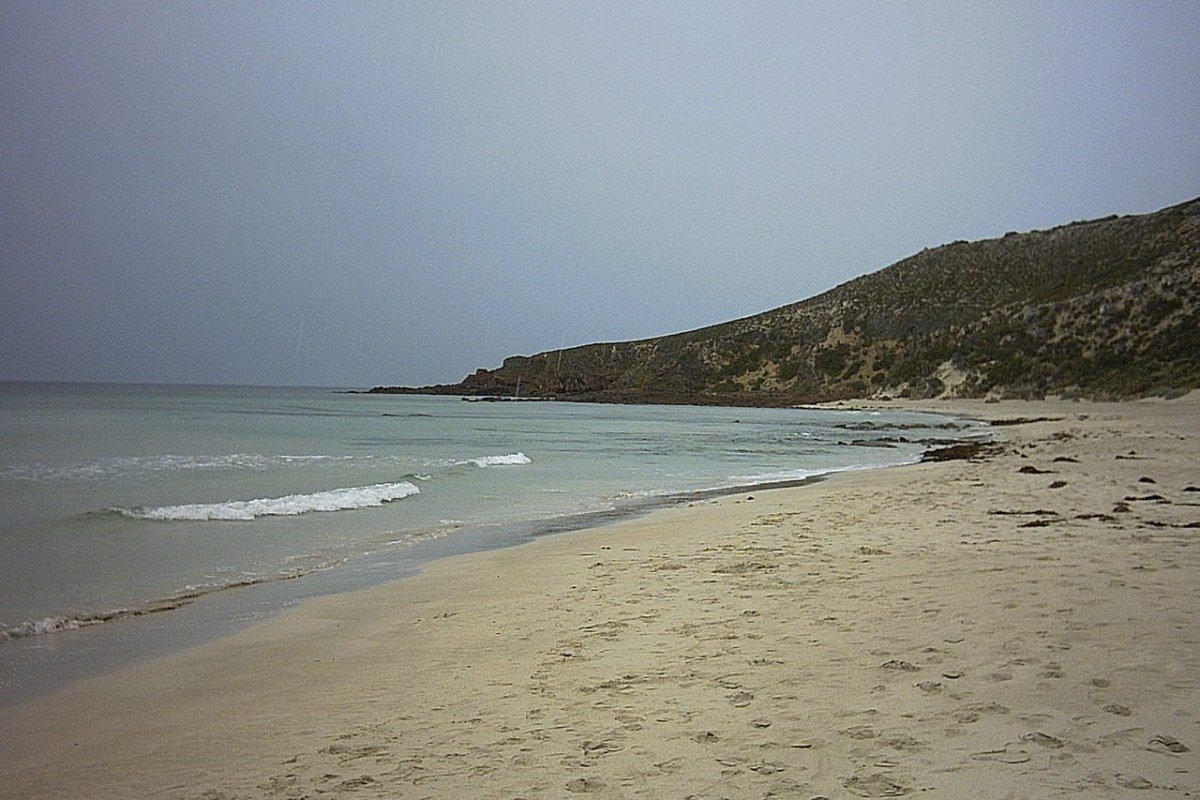
Cape Cod, the 70-mile arm of glacially deposited sand extending into the Atlantic south of Boston, is the most iconic beach destination in New England — a combination of the Cape Cod National Seashore (44,000 acres of protected barrier beach, dunes, freshwater kettle ponds, and salt marsh from Chatham to Provincetown), the distinctive architecture of the shingled Cape Cod cottage and the gray-weathered fish houses of the harbor towns, and a community character that ranges from the quietly affluent towns of the mid-Cape (Chatham, Brewster) to the bohemian artist community of Provincetown at the tip. Martha’s Vineyard and Nantucket, the islands accessible by ferry from Woods Hole and Hyannis, extend the coastal Massachusetts experience into more exclusive territory — Nantucket’s preservation of its cobblestone downtown and the island’s 19th-century whaling heritage is essentially complete.
The Berkshires: Cultural Mountains
The Berkshire Hills of western Massachusetts, a two-hour drive from Boston, host one of the densest concentrations of cultural institutions in rural America. Tanglewood, the Boston Symphony Orchestra’s summer home near Lenox, presents the finest outdoor classical music festival in the country — summer evenings on the lawn listening to the BSO under the stars is one of New England’s definitive experiences. Mass MoCA in North Adams, the largest contemporary art museum in North America by gallery square footage (170,000 square feet of exhibition space in a converted 19th-century factory complex), provides a cultural destination that justifies the Berkshire drive in any season. The Clark Art Institute in Williamstown, the Norman Rockwell Museum in Stockbridge, and Jacob’s Pillow Dance Festival in Becket together create a cultural calendar that makes the Berkshires a summer destination of genuine national significance.
Massachusetts rewards the traveler who approaches American history and intellectual culture with genuine curiosity — the state where the Revolution was debated, fought, and won; where Thoreau walked at Walden Pond and Emerson wrote; where the industrial revolution created the mill cities of Lowell and Lawrence; and where the academic tradition of Harvard, MIT, and 60 other colleges and universities has shaped American thought from the colonial era to the present. No other state of comparable size offers this density of historical and cultural significance.
Planning Your Massachusetts Visit
Massachusetts rewards the traveler who approaches American history and intellectual culture with genuine curiosity — the state where the Revolution was debated, fought, and won; where Thoreau walked at Walden Pond and Emerson wrote; where the industrial revolution created the mill cities of Lowell and Lawrence; and where the academic tradition of Harvard, MIT, and 60 other colleges and universities has shaped American thought from the colonial era to the present. No other state of comparable size offers this density of historical and cultural significance. The best Massachusetts itineraries combine Boston’s Freedom Trail and museum depth with day trips to Concord’s literary history, Cape Cod’s Atlantic beaches, and the Berkshires’ summer festival culture — a week is a minimum to begin to understand what Massachusetts offers, and most serious visitors return multiple times to access the full range of what the commonwealth provides.
Getting the Most Out of Your Visit
A few practical points that will improve any trip to Massachusetts. Book accommodation and major attractions — particularly national parks, popular hiking trails, and well-known restaurants — as far in advance as possible; the most desirable options can fill weeks or months ahead, especially in peak season. Having a car provides the most flexibility for exploring beyond the main centers, and most of Massachusetts’s most rewarding experiences are in places not easily reached by public transport. The best local knowledge is often found in regional visitor centers, independent bookshops, and by talking to residents — the most memorable discoveries on any trip are rarely the ones in the guidebooks. Allocate more time than you think you need: Massachusetts consistently rewards travelers who slow down and explore in depth rather than trying to cover maximum ground in minimum time.