
Louisiana Travel Guide 2026: New Orleans, Bayou Country, and Cajun Culture
Louisiana is the most culturally distinct state in the United States — a place that does not belong entirely to any American regional tradition because it was built from French, Spanish, African, Native American, and Caribbean influences that mixed here over four centuries in a way that created something entirely new. New Orleans is the most singular major city in the country: its food is not American food, its music is not exactly American music, its architecture is not American architecture — it is these things transformed by the specific alchemy of this particular delta place. And beyond New Orleans, Louisiana’s bayou country, the Cajun parishes of the southwest, and the Gulf Coast wetlands add dimensions to the state that most visitors never reach.
New Orleans: The Incomparable City
New Orleans is America’s most concentrated food and music destination — the city where Louis Armstrong grew up playing cornet in the streets, where jazz was born, where the cuisine is simultaneously French, African, Spanish, and American in ways that have produced dishes (gumbo, étouffée, red beans and rice, beignets, muffulettas, po’boys) that exist nowhere else in their authentic forms. The French Quarter, the original colonial settlement on the high ground above the Mississippi River crescent, preserves the most intact antebellum architecture in the country — the cast-iron galleries, Creole cottages, and Spanish colonial buildings of the Quarter are a living neighborhood as much as a historic district, with residents above the bars and restaurants and the smell of coffee and beignets from Café du Monde mixing with live music from the clubs on Frenchmen Street and Bourbon Street at any hour.
The Garden District, developed by American (Anglo) settlers in the early 19th century after the Louisiana Purchase, provides a contrasting residential grandeur: Greek Revival and Italianate mansions on oak-lined streets, surrounded by gardens that maintain their subtropical lush quality year-round. The Commander’s Palace restaurant, in the Garden District, is one of the most important restaurants in American culinary history — a century of chefs trained in its kitchen (Paul Prudhomme, Emeril Lagasse, Jamie Shannon) have spread Louisiana cooking methodology across the country.

The New Orleans Jazz & Heritage Festival (Jazz Fest), held over two weekends at the end of April and beginning of May at the Fair Grounds Race Course, is the most musically comprehensive American music festival — a two-weekend event that brings together the full spectrum of New Orleans and Louisiana music (jazz, blues, gospel, zydeco, Cajun, R&B, brass band, and more) with a food program that is as ambitious as the music, serving dozens of Louisiana specialty foods made specifically for the festival. Mardi Gras, the pre-Lenten carnival season that peaks on Fat Tuesday (typically in February or early March), transforms New Orleans into a citywide street festival of parades, masked balls, and public celebration that is unlike any event in the United States.
Cajun Country: Southwest Louisiana
Cajun Country — the parishes of Lafayette, St. Martin, Vermilion, Acadia, Evangeline, and the surrounding Acadiana region in southwest Louisiana — preserves a French-speaking culture descended from the Acadian French expelled from Nova Scotia by the British in 1755. The Cajun people who settled the Louisiana prairies and bayous created a culture of extraordinary richness: the accordion-driven Cajun music (distinct from the accordion-driven zydeco music created by the African Creole community in the same parishes), the cuisine of crawfish étouffée, boudin sausage, and cracklins fried in cast iron over open fires, and the community warmth of the fais do-do (traditional dance parties) that have persisted into the contemporary era.
Lafayette, the center of Acadiana, has developed a tourism infrastructure for Cajun culture that is more substantive than most cultural tourism: the Vermilionville living history museum re-creates Cajun village life from the 1760s to 1890s; the Acadian Village provides another living history dimension; and the Lafayette restaurant scene — Café des Amis in nearby Breaux Bridge (the Crawfish Capital of the World), Don’s Seafood, and dozens of locally owned Cajun restaurants — provides direct cultural access through the most universal medium.
The Atchafalaya Basin
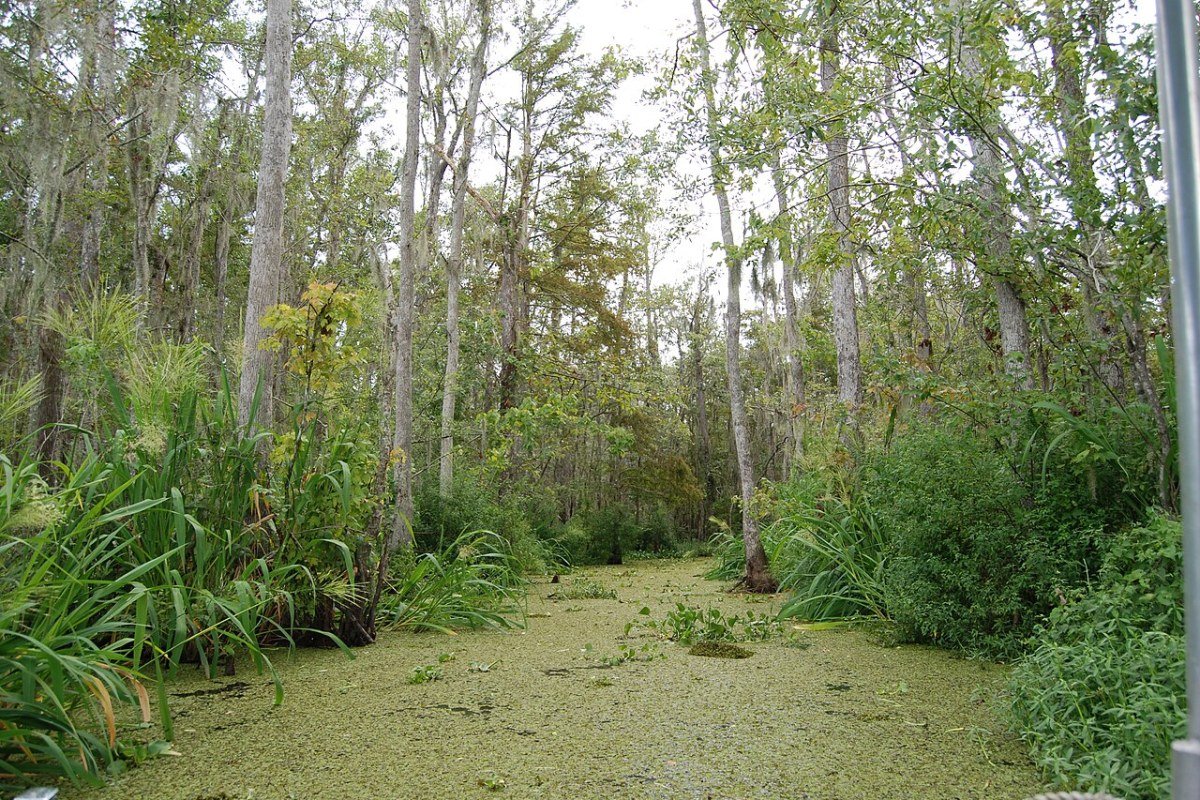
The Atchafalaya Basin, stretching 140 miles across south-central Louisiana between Baton Rouge and Lafayette, is the largest river swamp in North America — a 900,000-acre wilderness of cypress-tupelo swamps, oxbow lakes, and bottomland forests where alligators, black bears, egrets, and ospreys inhabit a landscape that is genuinely wild despite its proximity to major population centers. Swamp tours from Henderson and Breaux Bridge provide boat access to the basin’s interior; kayak and canoe rentals allow independent exploration of the bayou channels. The Atchafalaya National Wildlife Refuge and the Sherburne Wildlife Management Area provide designated access points for wildlife viewing and fishing.
Louisiana’s travel rewards are sensory and specific — the smell and taste of a proper gumbo with roux cooked to the specific shade of dark chocolate that separates good gumbo from great gumbo; the feel of a New Orleans night with live brass band music spilling from a Frenchmen Street venue at midnight; the sound of an accordion and a rubboard playing Cajun two-step in a Breaux Bridge dance hall on a Saturday afternoon; the sight of a cypress swamp at dawn with a low mist over the black water. These are experiences that are Louisiana’s alone, and they are irreplaceable.
Getting the Most Out of Your Visit
A few practical points that will improve any trip to Louisiana. Book accommodation and major attractions — particularly national parks, popular hiking trails, and well-known restaurants — as far in advance as possible; the most desirable options can fill weeks or months ahead, especially in peak season. Having a car provides the most flexibility for exploring beyond the main centers, and most of Louisiana’s most rewarding experiences are in places not easily reached by public transport. The best local knowledge is often found in regional visitor centers, independent bookshops, and by talking to residents — the most memorable discoveries on any trip are rarely the ones in the guidebooks. Allocate more time than you think you need: Louisiana consistently rewards travelers who slow down and explore in depth rather than trying to cover maximum ground in minimum time.