

Hawaii: America’s Most Extraordinary Destination
Hawaii occupies a category by itself among American travel destinations. The only US state located entirely outside North America, Hawaii is an archipelago of 137 islands scattered across 1,500 miles of the central Pacific Ocean — formed entirely by volcanic activity, isolated by 2,400 miles of open ocean from the nearest continental landmass, and supporting ecosystems of extraordinary diversity and fragility. The six main visitor islands (Hawaii/Big Island, Maui, Oahu, Kauai, Molokai, and Lanai) each have distinct characters, landscapes, and travel personalities, and no single island encompasses the full range of what Hawaii offers.
Understanding Hawaii as a destination requires resisting the impulse to reduce it to its most-marketed images — the lei greetings, the hula performances, the generic “tropical paradise” packaging. The reality is richer: a living geological laboratory where volcanoes are actively building new land, coral reefs of extraordinary biodiversity, the last living culture of one of the world’s great Pacific civilizations, and natural landscapes that range from the world’s tallest mountain (measured from its base on the ocean floor) to the wettest spot on Earth.
Oahu: Where Most People Go — and Why
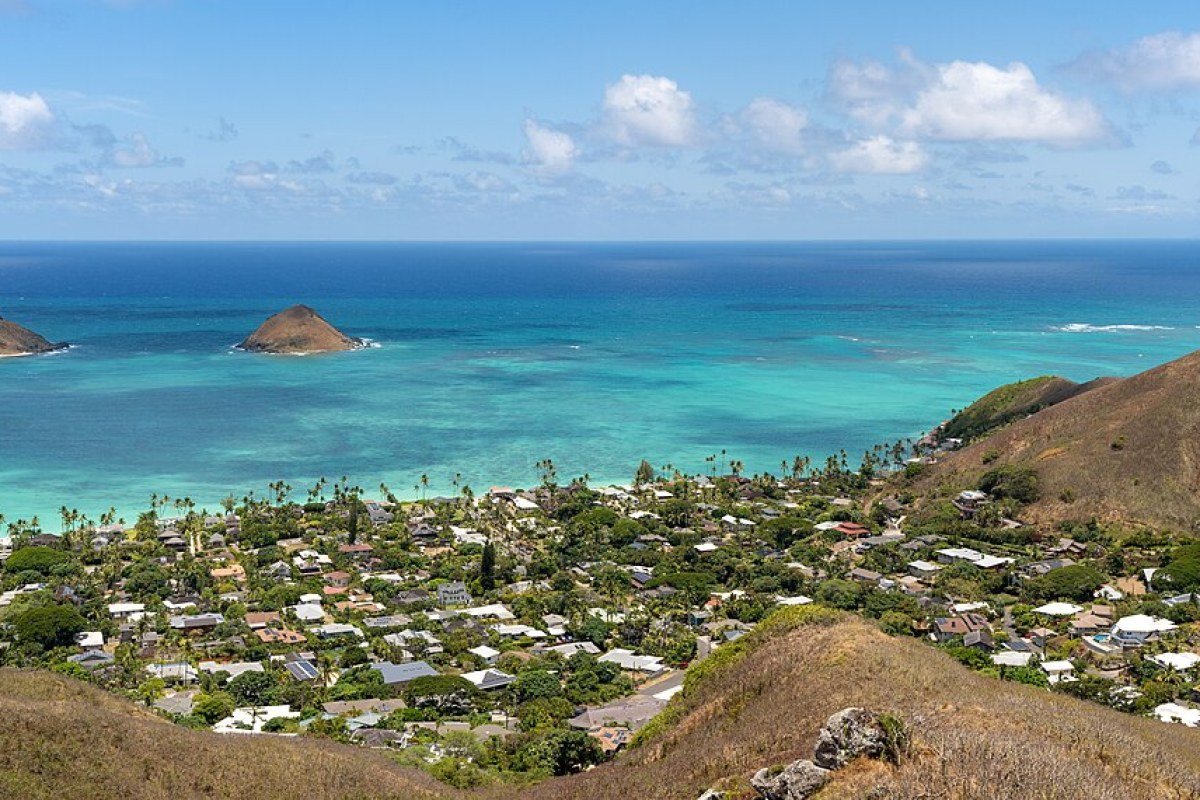
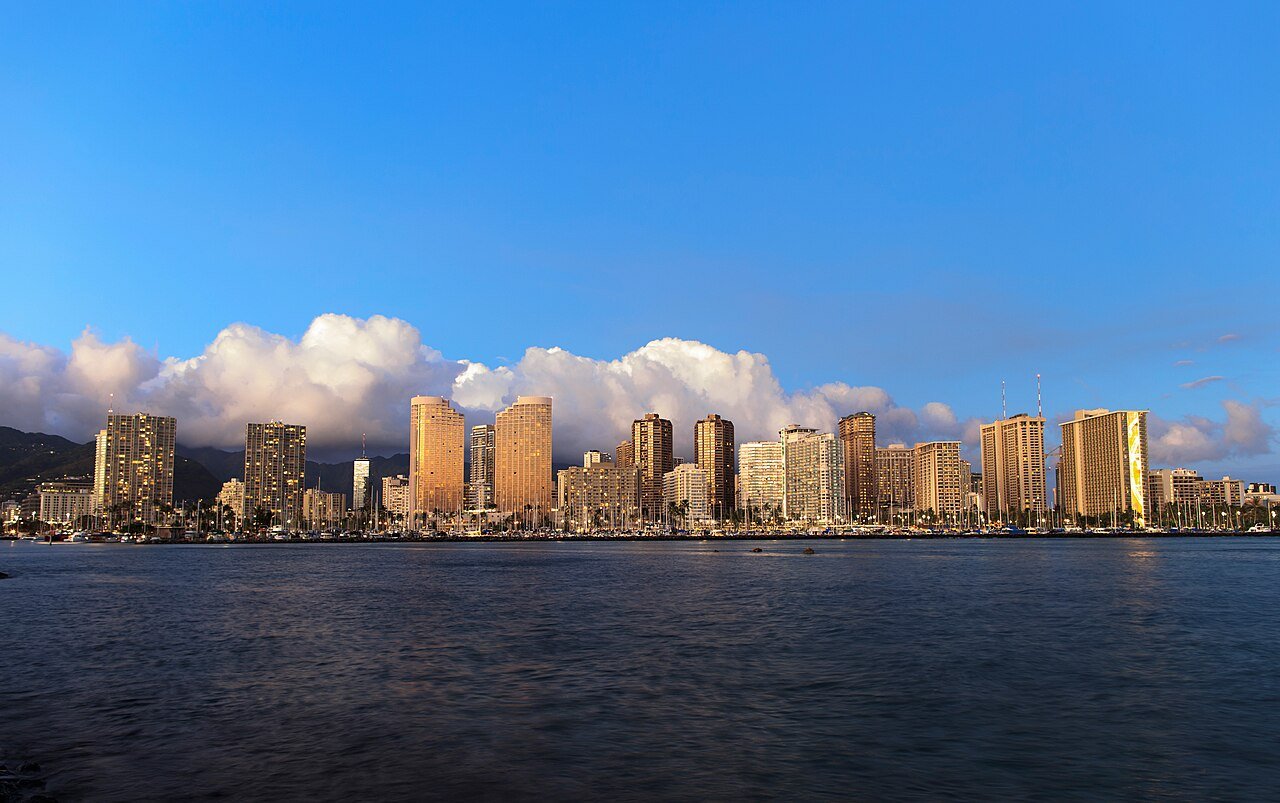
Oahu, home to Honolulu and Waikiki, receives approximately 60% of Hawaii’s total visitor arrivals — and while the most-traveled Hawaiian island is also its most developed and most crowded, it contains genuine first-tier attractions that justify its position at the center of most Hawaii itineraries.
Diamond Head State Monument, the extinct volcanic tuff cone that has become Honolulu’s most recognizable landmark, offers a 1.6-mile round-trip hike through a tunnel in the crater rim to a summit with panoramic views of Waikiki, Honolulu, and the Waianae Range. The hike’s combination of accessibility (near the center of Honolulu’s tourist zone), historical significance (the summit fortifications date to World War I), and genuine visual reward make it the most rewarding short hike on Oahu.

Pearl Harbor National Memorial — the USS Arizona Memorial, USS Missouri Battleship, USS Bowfin Submarine Museum, and Pacific Aviation Museum — constitutes one of the most significant historical sites in the United States. The USS Arizona Memorial, which straddles the sunken battleship that lost 1,177 crew members in the December 7, 1941 attack, is a place of genuine solemnity and national significance. The museum on Ford Island provides military history interpretation that contextualizes the attack and its consequences for the Pacific war.
The North Shore of Oahu, 45 minutes from Waikiki, hosts some of the most famous surf breaks in the world — Banzai Pipeline, Sunset Beach, and Waimea Bay produce waves that are the proving ground of professional surfing. During the November–February high-surf season, waves at Pipeline can reach 30 feet, drawing the world’s best surfers and thousands of spectators. In summer, the same breaks calm into excellent swimming beaches that are paradoxically less crowded than Waikiki.
Maui: The Valley Isle
Maui is the second-most visited Hawaiian island and the one that most consistently tops visitor satisfaction surveys. The combination of the Road to Hana (a 64-mile scenic drive through tropical rainforest, past dozens of waterfalls, and along dramatic coastal cliffs), Haleakala National Park (where a 10,000-foot dormant volcano creates a lunar landscape above the clouds, and where watching the sunrise from the summit is one of Hawaii’s most memorable experiences), the whale watching (November–April, humpback whales breed in Maui’s waters in numbers that make this one of the world’s most reliable whale watching destinations), and the beaches of West Maui and Wailea creates a vacation destination of extraordinary variety.

Kauai: The Garden Isle
Kauai is Hawaii’s oldest and most dramatically eroded island — its 5-million-year geological age has carved the spectacular Na Pali Coast (15 miles of fluted sea cliffs rising 4,000 feet directly from the Pacific, accessible only by boat, helicopter, or the challenging Kalalau Trail), Waimea Canyon (the “Grand Canyon of the Pacific,” 10 miles long and 3,600 feet deep), and an interior so wet that Waialeale Peak (annual rainfall exceeding 450 inches) is documented as the wettest point on Earth.
Kauai has deliberately limited tourist infrastructure compared to Oahu and Maui — no buildings taller than a palm tree are permitted by zoning, and the island’s rural character has been consciously preserved. For travelers seeking a genuinely quieter, more nature-oriented Hawaii experience, Kauai delivers on its reputation as the most beautiful of the main Hawaiian islands.
Big Island (Hawaii): Active Volcanoes and Diverse Landscapes
The Big Island of Hawaii is the youngest, largest, and most geologically active island in the chain — larger than all other Hawaiian islands combined and still growing as Kilauea Volcano continues to add land to the island’s southern coast. Hawaii Volcanoes National Park encompasses the summits of Kilauea and Mauna Loa (both active), the Kilauea Caldera (with its Halema’uma’u Crater, which has been intermittently erupting since 2008), and lava tube systems that run from summit to sea. The park is a UNESCO World Heritage Site and represents one of the only places on Earth where visitors can witness active land-building in real time.
The Big Island’s climate zones are the most diverse of any island in the world — a fact that is not marketing but geography. Driving from Hilo (one of the wettest cities in the US) to Kona (dry and sunny on the western coast) to the summit of Mauna Kea (at 13,796 feet, one of the world’s premier astronomical observation sites, with 13 active research telescopes) encompasses climate zones from tropical rainforest to alpine desert within a few hours. The Big Island is the least homogeneous Hawaiian experience, and for that reason the most surprising.