Cost of Living in Rhode Island 2026: New England Prices in America’s Smallest State
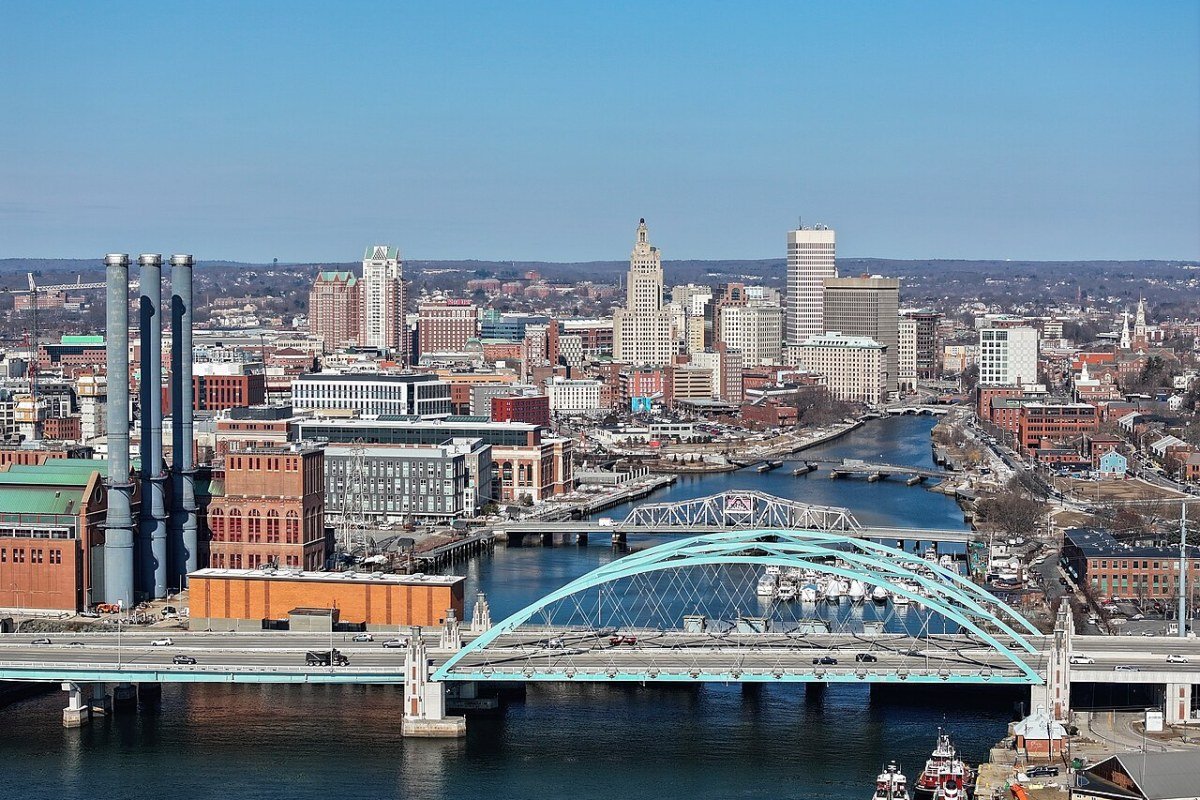
Rhode Island’s cost-of-living profile reflects its position as a small New England state wedged between Massachusetts and Connecticut — costs are meaningfully higher than the national average but consistently lower than Boston and well below New York City, creating a middle position that attracts households seeking New England quality of life at prices that require careful management. Providence is the most affordable of the major New England urban centers, with housing costs that look almost reasonable when compared to Boston’s suburban pricing. Newport carries a significant premium for its historical character and Gilded Age cachet that makes it one of the most expensive mid-sized cities per capita in the region. The honest assessment: Rhode Island is expensive by national standards but represents genuine value compared to its immediate neighbors.
Rhode Island Cost of Living Overview 2026
- State income tax (top rate): 5.99% on income above $166,950 (2025, indexed)
- State sales tax: 7% — one of the higher rates in New England
- Providence city median home price: $320,000–$380,000
- Newport median home price: $600,000–$800,000
- South County/Narragansett: $450,000–$600,000
- Providence rent (1BR): $1,500–$2,000 per month in desirable neighborhoods
- Property tax effective rate: 1.2–2.5% (varies significantly by municipality)
- Electricity costs: Among highest in the country (ISO-New England market)
Housing: Providence vs. Newport
Providence’s housing market has benefited from the growth of the Brown University and RISD communities, the spillover of Boston remote workers, and the city’s culinary and arts renaissance — median prices in the city run $320,000–$380,000, with the most desirable neighborhoods (College Hill’s Victorian and Federal houses, Federal Hill’s Italian-American brownstones, the East Side’s tree-lined streets above the Benefit Street architecture) running $400,000–$650,000 for well-maintained historic homes. This represents significant appreciation from pre-pandemic norms but remains well below comparable neighborhoods in Boston’s Somerville or Cambridge.
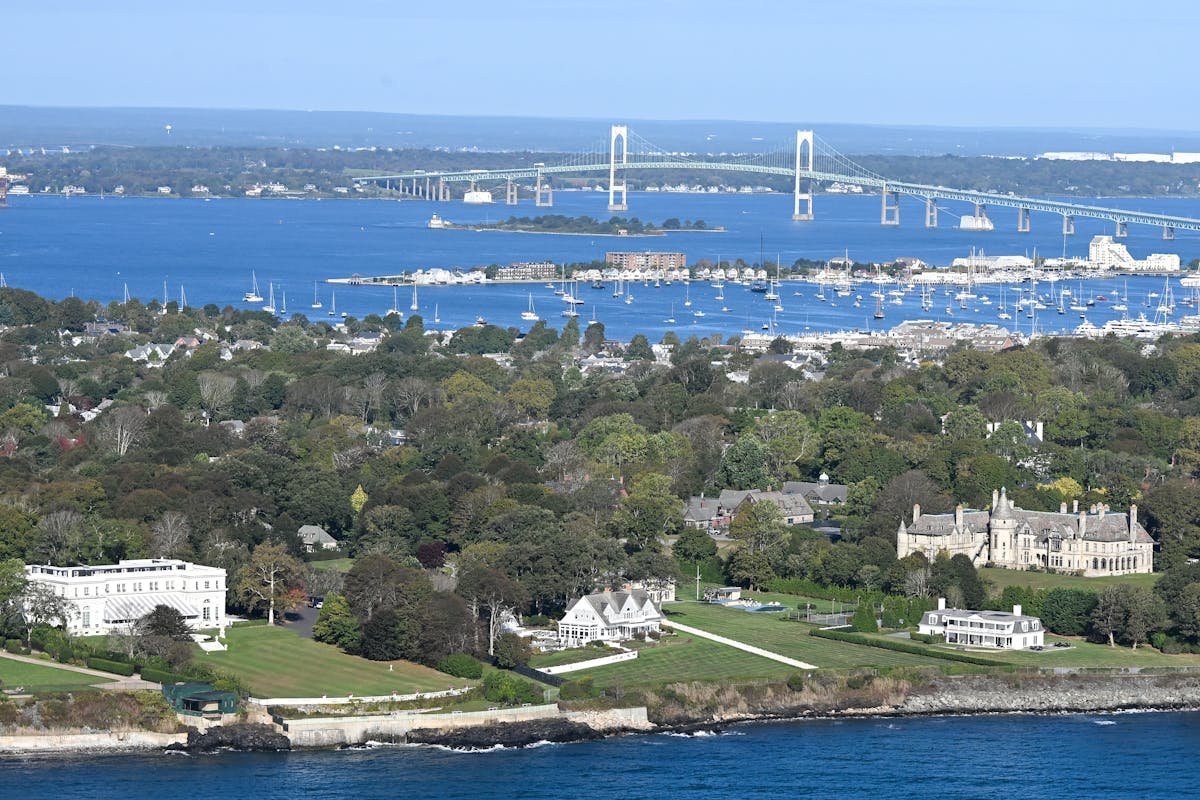
Newport’s market is driven by the demand for one of the most historically significant resort cities in America — the Gilded Age cachet, the sailing culture, the Cliff Walk access, and the limited housing supply of a small peninsula create prices that consistently exceed what Providence residents consider reasonable. Median single-family homes in Newport proper run $600,000–$800,000, with the most desirable waterfront properties reaching $1M–$3M+. The surrounding communities of Middletown and Portsmouth provide more accessible pricing at $450,000–$600,000 with easy Newport access.
Rhode Island’s Income Tax
Rhode Island’s income tax structure features a graduated rate that tops out at 5.99% for income above $166,950 (for 2025, indexed for inflation). This compares unfavorably to neighboring Connecticut (top rate 6.99% but with a higher threshold) and favorably to Massachusetts (5% flat, though simpler). The state sales tax is 7%, one of the higher rates in the region. Property taxes vary significantly by municipality — Providence’s effective rates run approximately 2.0–2.5%, among the highest in the state, while the rural communities in the southern part of the state run 1.2–1.8%. Rhode Island does not tax Social Security income, and the pension income exclusion provides some relief for retirees.
Utilities and Transportation
Rhode Island’s utility costs are above the national average for New England reasons — natural gas heating is required for genuine winters, electricity prices are among the highest in the country (reflecting the regional ISO-New England power market), and housing stock that skews old (many Providence triple-deckers were built before modern insulation standards) creates heating bills that surprise residents from more energy-efficient construction. Average monthly electricity bills run $130–$180; winter gas heating can add $150–$250 per month in peak months. RIPTA (Rhode Island Public Transit Authority) operates bus service throughout the state and the Providence streetcar system, providing car-free commute options primarily in Providence — the rest of the state is effectively car-dependent.
Comparative Value
For households moving from Boston or New York, Rhode Island consistently delivers more purchasing power per dollar — a Providence triple-decker that would cost $800,000 in Somerville runs $400,000–$500,000 in Providence’s best neighborhoods, and the Amtrak Acela connection (Providence to South Station Boston is 1 hour, $20–$40 depending on service class) maintains Boston employment access for households willing to commute. For households moving from other regions of the country, Rhode Island’s costs will feel elevated — preparation for New England pricing in both housing and utilities is essential.
Who Benefits Most from a Rhode Island Move
Remote workers earning Boston or New York salaries represent Rhode Island’s most natural in-migration pool — the purchasing power differential is substantial, and the Providence-to-Boston Amtrak commute is viable for households willing to travel to the office two or three days per week. Retirees from high-cost states who want New England coastal access at below-Massachusetts prices find that Rhode Island’s combination of Newport character, South County beaches, and Providence cultural infrastructure delivers comparable quality of life at meaningfully lower housing costs. Families with university connections to Brown, RISD, or URI find the state’s academic environment a practical advantage. The households most challenged by Rhode Island are those dependent on the local employment market in sectors outside healthcare, education, and defense — the state’s private sector employment depth is limited relative to its costs, and households without portable income or Boston-market earning power should research the employment landscape thoroughly before committing.
One structural advantage Rhode Island offers that is frequently overlooked: the First-Generation Homebuyer Program and various state-level down payment assistance programs through RIHousing make homeownership more accessible for qualifying households than the headline prices suggest. The state’s Renter’s Tax Credit provides limited but real relief for renters below income thresholds. And the Providence Tourism Tax — a hotel and short-term rental tax that funds the state’s arts and tourism infrastructure — is a cost only for visitors, not residents. For households doing thorough financial modeling, Rhode Island’s costs require honest accounting, but the quality of life delivered by the state’s combination of history, coastline, food culture, and compact geography consistently exceeds the financial inputs for households prepared for New England pricing.
Budgeting Practically for Rhode Island

Understanding the cost of living in Rhode Island is the foundation — the next step is knowing which costs are fixed and which can be optimized for your specific lifestyle. Housing is the largest variable in almost every budget, and choosing the right neighborhood within Rhode Island can produce dramatically different monthly costs while still keeping you close to the places and amenities you value most. Utilities, transport, and food costs compound over time, so even small differences per month become significant over a year. The cost advantages of Rhode Island relative to high-cost cities like New York, San Francisco, or Sydney are real and measurable — many people who relocate report significant improvements in their financial position alongside a better overall quality of life. Use these figures as a starting framework and verify current rental and property prices for your specific target area, since local markets can shift faster than annual cost-of-living studies.