
California Outdoors: From Pacific Beaches to Sierra Summits
California’s outdoor recreation landscape is the most diverse of any US state — an extravagant claim that the geography fully supports. The state contains nine national parks (more than any other state), 280 state parks, 20 million acres of national forest, 840 miles of Pacific coastline, the highest and lowest points in the contiguous United States within 100 miles of each other, 35 million acres of desert, and mountain ranges that include peaks exceeding 14,000 feet. The variety of landscape, ecosystem, and climate that California contains within its borders represents a lifetime of outdoor exploration that no single travel itinerary can adequately represent.
National Parks: California’s Crown Jewels
California’s nine national parks span a geographical and ecological range that is extraordinary even by national park standards. Yosemite, Sequoia, and Kings Canyon in the Sierra Nevada, Joshua Tree and Death Valley in the desert south, Redwood on the north coast, Channel Islands offshore from Santa Barbara, Pinnacles in the central coast hills, and Lassen Volcanic in the northeast — each is a world-class destination in its own right.
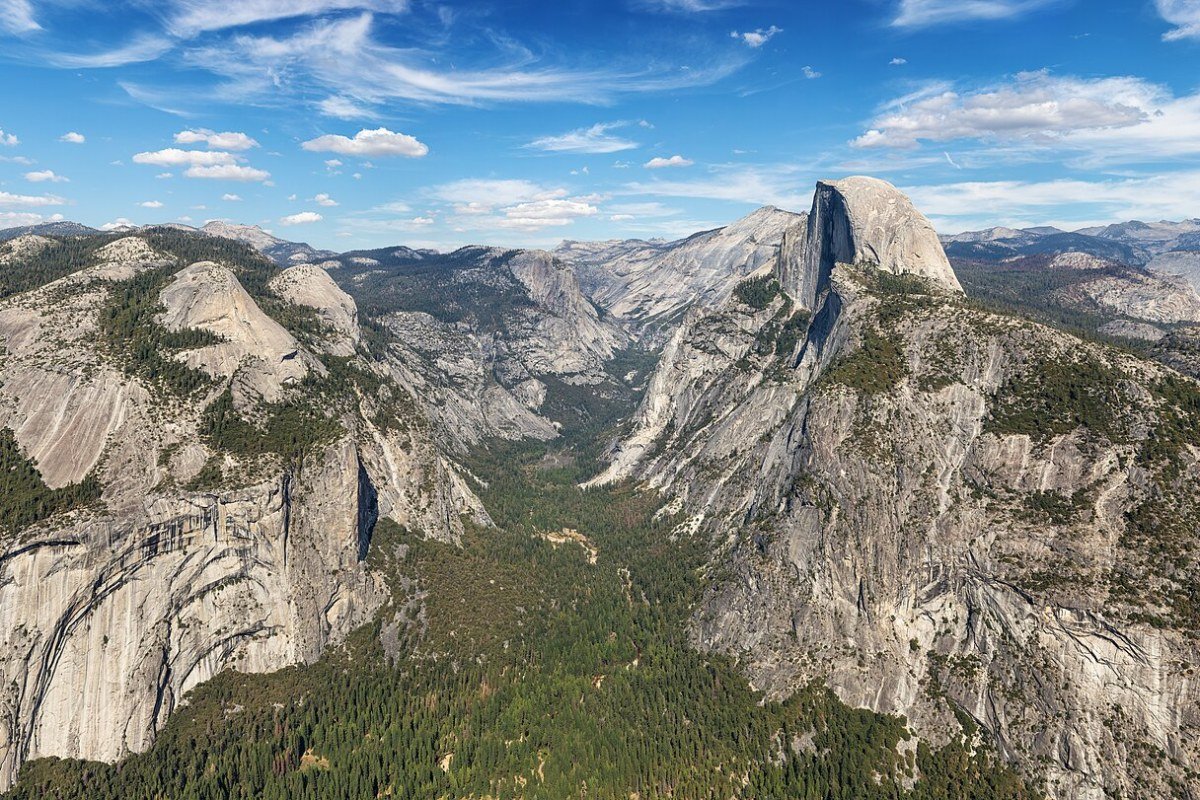
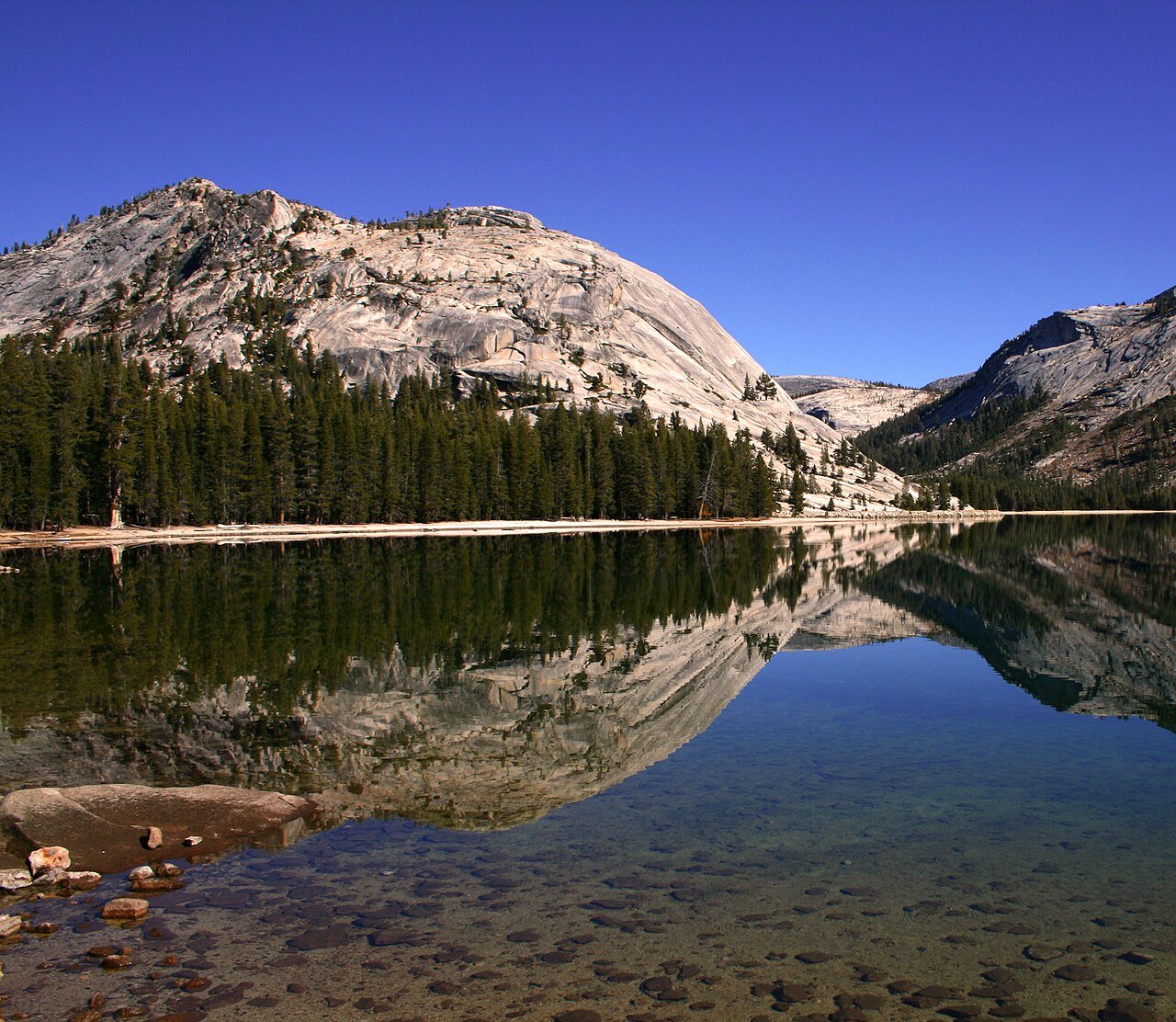
Yosemite National Park: The defining California outdoor experience. The valley’s combination of El Capitan, Half Dome, Yosemite Falls, and Bridalveil Fall is genuinely incomparable — this is what American wilderness protection was invented for. The high country (Tuolumne Meadows, the Ansel Adams Wilderness) extends the experience into subalpine terrain of extraordinary beauty. Book lodging and camping 5–6 months in advance for summer visits; day-use parking reservations are required from April through October.
Joshua Tree National Park: The intersection of the Mojave and Colorado deserts, where the iconic Joshua tree — not actually a tree but a variety of yucca — grows in stands of sculptural beauty. The granite boulder formations (Skull Rock, the Cholla Cactus Garden area) create one of the best bouldering and rock climbing environments in the country. The park’s position at high desert elevation (3,000–5,000 feet) makes it accessible year-round, with ideal temperatures October–April.

Redwood National and State Parks: The North Coast’s cathedral forests of coast redwood — the tallest trees on Earth, capable of reaching 380 feet — are among the most profound natural experiences available in California. The Avenue of the Giants through Humboldt Redwoods State Park, the Lady Bird Johnson Grove, and the Tall Trees Grove (permit required) provide encounters with individual trees that are 1,000–2,000 years old and create an atmosphere of genuine awe.
Hiking: From Desert Trails to Alpine Ridgelines
John Muir Trail / Pacific Crest Trail (Sierra Nevada): The 211-mile John Muir Trail from Yosemite Valley to Mount Whitney is one of the world’s great long-distance hiking routes, traversing the high Sierra through terrain of sustained grandeur — glaciated passes, pristine alpine lakes, meadows filled with wildflowers, and the granite architecture of the Kings Canyon and Sequoia wilderness. The trail’s southern terminus at Mount Whitney (14,505 feet) is accessible as a day hike with a permit from the trailhead; the summit offers views extending into the Nevada desert on clear days.
Lost Coast Trail (Humboldt County): The Lost Coast is the most remote section of the California coast — too steep for Highway 1 to traverse, it was bypassed during highway construction and left to become the longest undeveloped coastline remaining in the contiguous United States. The 25-mile backpacking route from Mattole Beach to Black Sands Beach traverses beach, bluffs, and creek crossings in terrain that is genuinely wild and almost entirely free of crowds.
Mount San Jacinto (Palm Springs area): The Palm Springs Aerial Tramway ascends 8,516 feet in 10 minutes from the desert floor to the edge of the San Jacinto Wilderness, where trails climb to the 10,834-foot summit through pine forest and subalpine terrain. The contrast between the 100°F desert 10 minutes below and the cool, forested summit environment above is one of California’s most striking ecological juxtapositions.
Surfing and Beach Culture
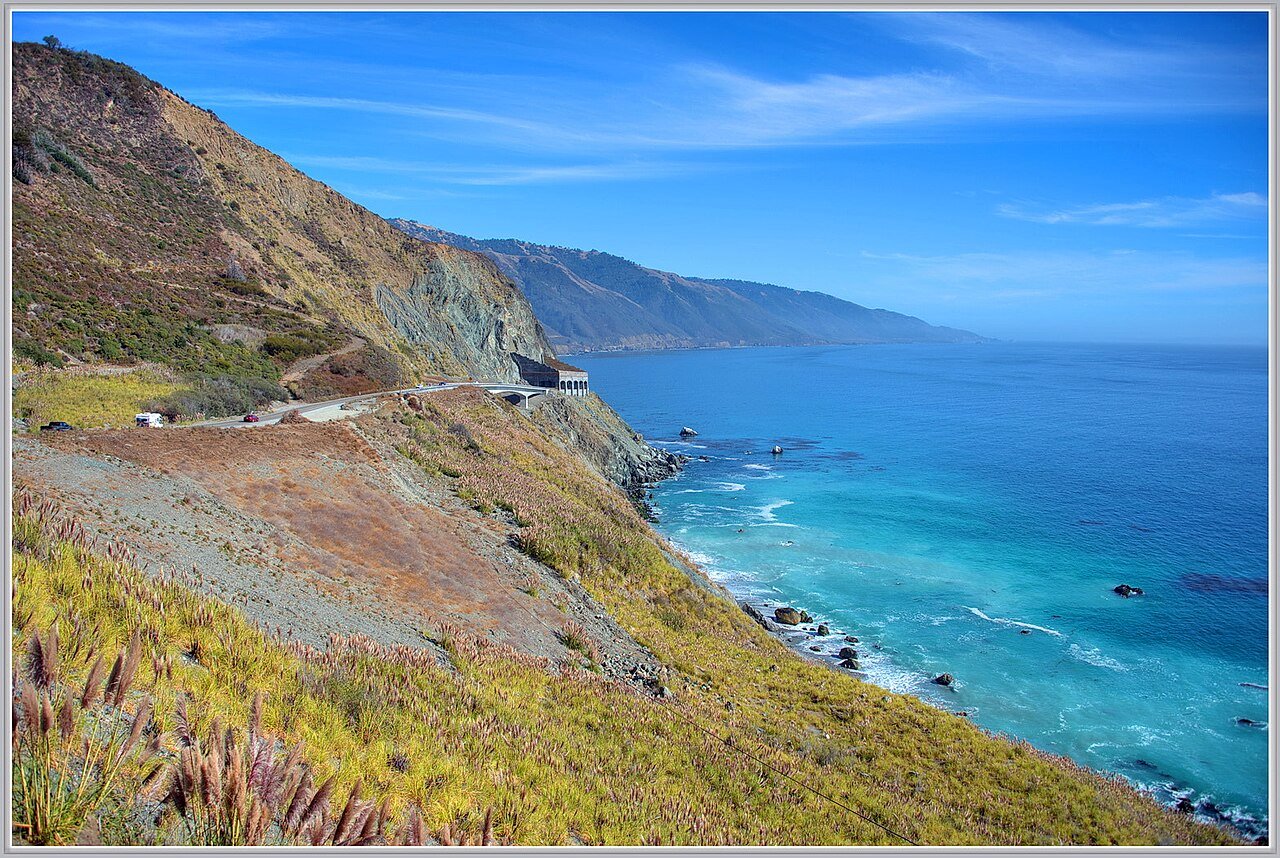
California’s 840 miles of Pacific coastline encompasses surf breaks ranging from beginner-friendly beach breaks to world-class point breaks to heavy reef breaks that have hosted international surf competitions for decades. Malibu’s First Point is one of the most iconic right-hand point breaks in surfing history. Santa Cruz’s Steamer Lane hosts WSL events and has been shaping California surf culture since the 1930s. Mavericks, near Half Moon Bay, is the most famous big-wave break in California — producing waves exceeding 60 feet during winter swells that attract the world’s elite big-wave surfers.

For non-surfers, California’s beach ecosystem offers kayaking (the sea caves of La Jolla and Channel Islands are extraordinary), tide pooling (Point Lobos State Natural Reserve near Carmel is one of the best), whale watching (gray whale migration December–April, humpback and blue whales in summer), and simply the experience of some of the world’s most beautiful beaches.
Skiing and Winter Recreation
The Sierra Nevada provides California with some of the best ski terrain in the United States. Lake Tahoe’s ring of resorts — Palisades Tahoe (formerly Squaw Valley/Alpine Meadows), Heavenly, Kirkwood, Northstar, Sierra-at-Tahoe — receives an average of 300–500 inches of snow annually (exceptional years have exceeded 700 inches) and hosts skiing, snowboarding, cross-country skiing, and snowshoeing at a scale that rivals any resort area in the country.
Mammoth Mountain, 300 miles south of Tahoe, often has the longest ski season in California — snow has been recorded in June and occasionally July at the mountain’s upper elevations. The Eastern Sierra’s combination of skiing in winter and some of the state’s best hiking, fishing, and climbing in summer makes it a year-round destination for outdoor-focused California residents.
California’s outdoor recreation is, in sum, the most compelling argument for its cost of living: nowhere else in the United States — perhaps nowhere else in the world — offers year-round access to world-class beaches, major mountain ranges, national parks of the highest caliber, desert wilderness, and coastal forests within the driving range of a single home base. For outdoor enthusiasts, that combination justifies a great deal.