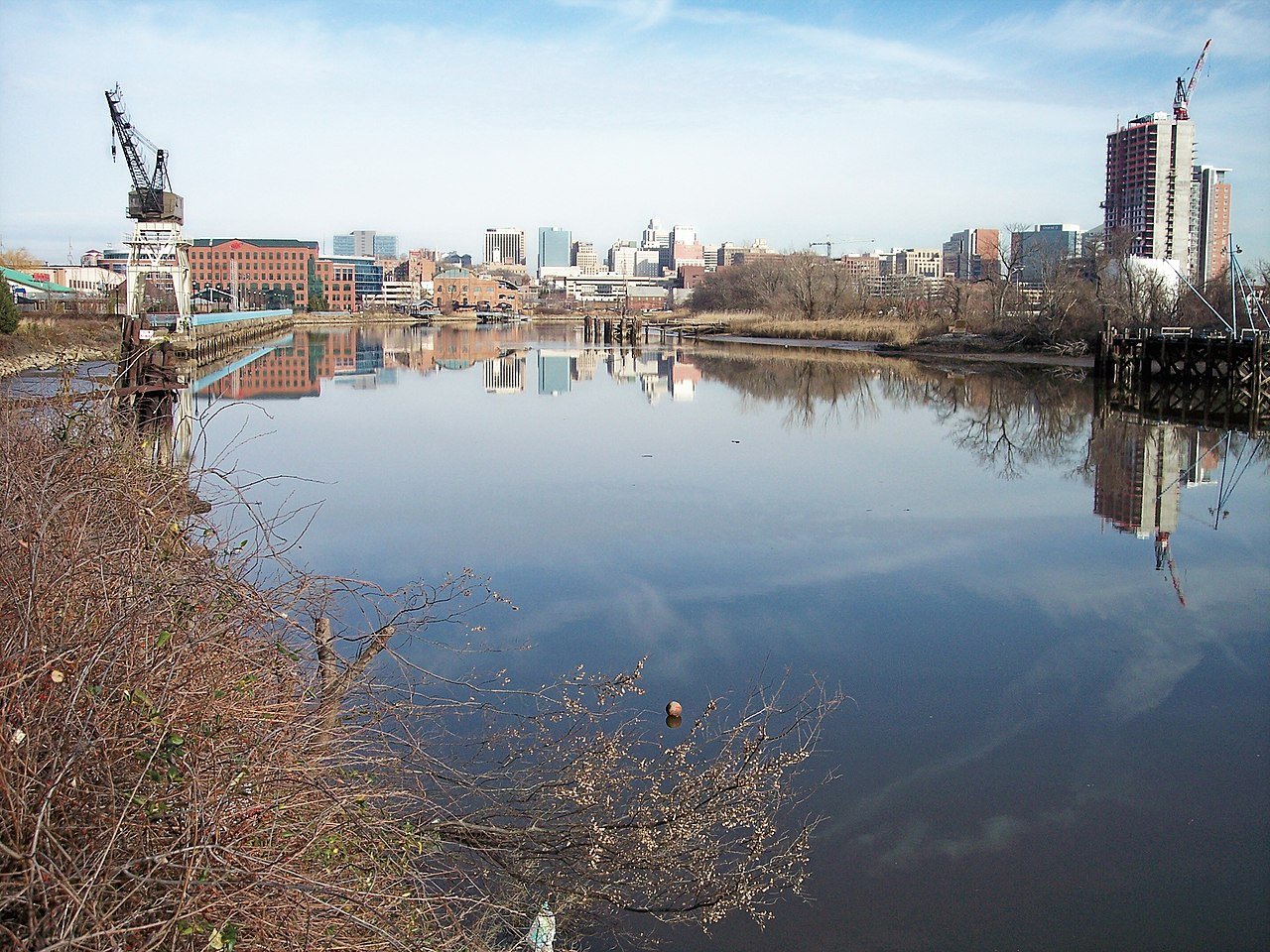

Delaware: Small State, Surprising Depth
Delaware is the second-smallest state in the United States and the least visited by a significant margin — yet for residents of the Mid-Atlantic region, it functions as an indispensable summer destination, a tax-free shopping haven, and a repository of American colonial and industrial history that most visitors to the region overlook. The First State — Delaware ratified the US Constitution first, in 1787, earning its nickname — has an identity that is genuinely interesting once you look past its small size and easy-to-drive-through geography.
The combination of excellent beaches, the extraordinary DuPont estate museums in the Brandywine Valley, and the historical richness of New Castle’s Colonial district makes Delaware more rewarding than most travelers expect. And the absence of sales tax — Delaware is one of five states with no sales tax — adds a practical dimension to visits that has made its outlet mall in Rehoboth Beach and its Wilmington retail district genuine destinations.
Rehoboth Beach: The Nation’s Summer Capital
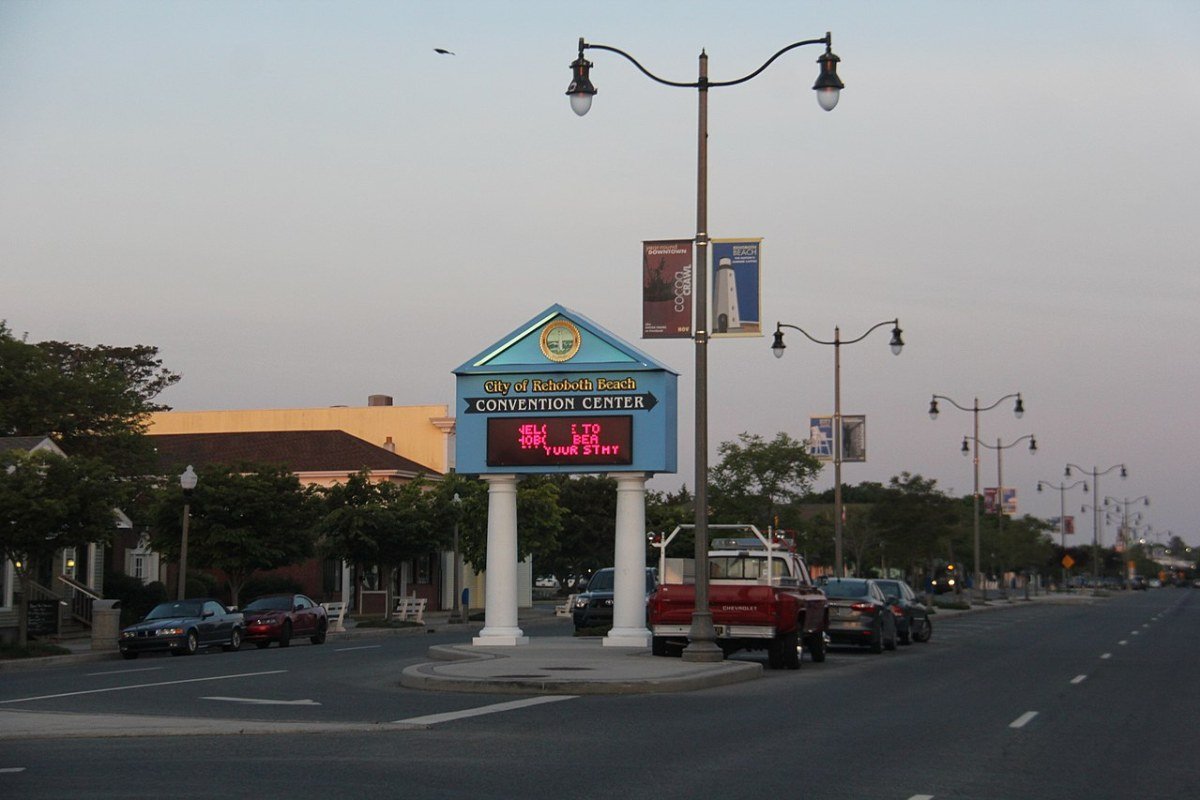
Rehoboth Beach has been called the “Nation’s Summer Capital” since the 19th century, when Washington DC politicians and bureaucrats began summering there in quantities large enough to establish its reputation as the default beach escape for official Washington. The moniker has stuck for good reason: the town is close enough to DC (approximately 3 hours), Baltimore (2.5 hours), and Philadelphia (2.5 hours) to be genuinely accessible for extended weekends, while offering a genuine Atlantic beach town atmosphere with a long, wide sand beach, a traditional wooden boardwalk, excellent restaurants, and a community character that has evolved to welcome a diverse mix of families, couples, and LGBTQ+ visitors with consistent warmth.
The boardwalk — 1 mile of classic American beach promenade — is lined with fudge shops, ice cream stands, pizza and caramel corn vendors, and the classic arcade games and carnival rides that define the Delaware shore experience for generations of Mid-Atlantic families. Funland, an amusement park on the boardwalk that has operated since 1962, is a genuine Delaware institution with rides designed specifically for children in the younger years of the beach-vacation demographic.

Beyond the boardwalk, Rehoboth’s dining scene has evolved into one of the best on the Delmarva Peninsula. The avenue of restaurants extending from the boardwalk into town includes quality establishments at every price point, from sophisticated chef-driven dining to the classic Grotto Pizza (a Delaware institution operating since 1960) and Dolles saltwater taffy (a Rehoboth boardwalk institution since 1927).
Lewes and Cape Henlopen
Lewes, Delaware’s oldest city (founded by Dutch settlers in 1631, making it one of the earliest European settlements on the Atlantic coast), occupies the northern approach to the Delaware shore with a character distinctly different from the more commercially developed Rehoboth: quieter, more historically conscious, with a charming historic district of 18th and 19th-century homes and a working harbor from which the Cape May-Lewes Ferry crosses Delaware Bay to New Jersey.
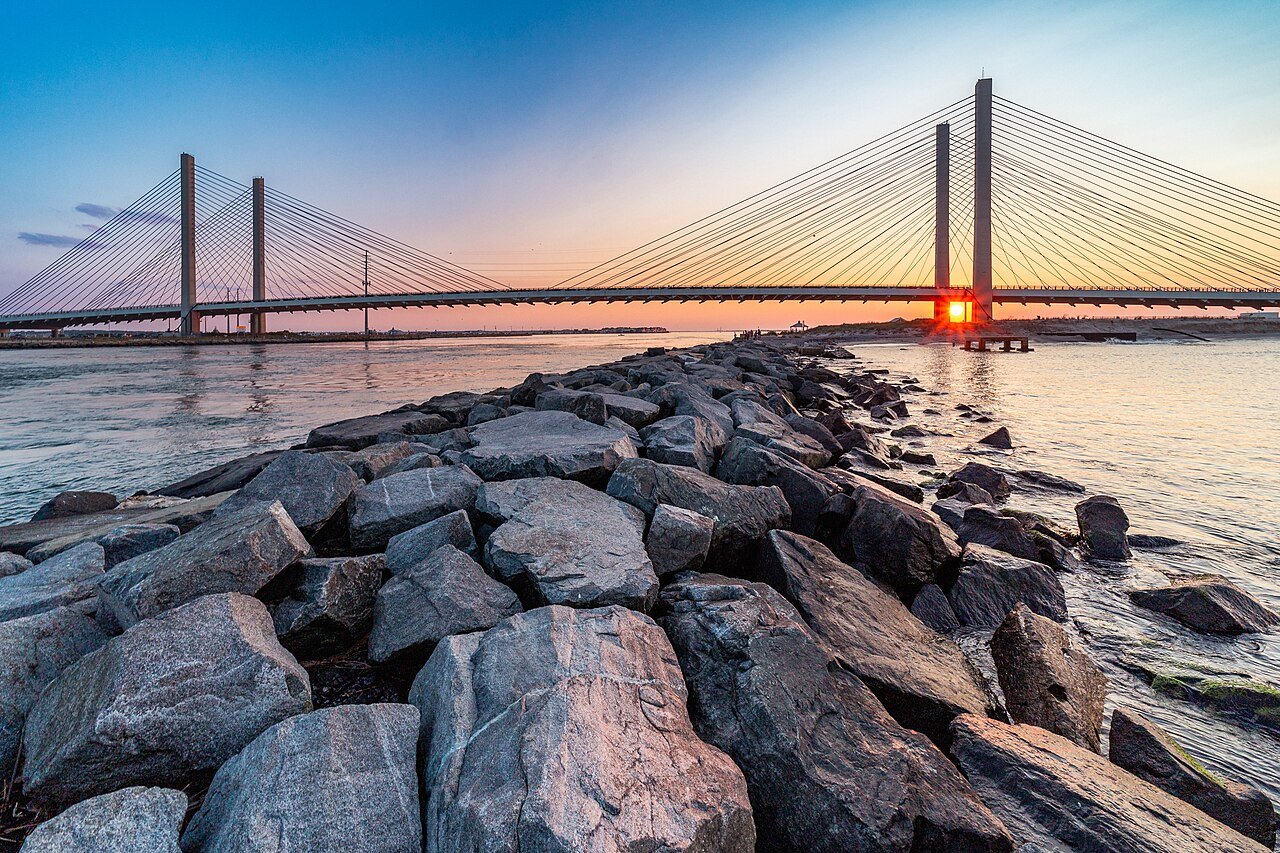
Cape Henlopen State Park — encompassing over 5,000 acres of dunes, maritime forest, and Atlantic beach at the mouth of Delaware Bay — is one of the finest state parks on the Atlantic coast. The park’s “walking dunes” migrate slowly across the landscape, the Great Dune rises 80 feet above the surrounding terrain, and the beach at the park’s southern end is consistently excellent with fewer crowds than Rehoboth and Dewey Beach to the south. The remains of Fort Miles, a World War II coastal defense installation, can be explored on guided tours.
The Brandywine Valley: Delaware’s Cultural Crown
The Brandywine Valley — straddling the Delaware-Pennsylvania border northwest of Wilmington — contains what may be the greatest concentration of historic estates and world-class museums per square mile of any rural area in the United States. The DuPont family’s extraordinary wealth, derived from their explosives and chemical empire, was invested in a series of estate gardens and art collections that have become public institutions of genuine international significance.
Winterthur Museum, Garden and Library is Henry Francis du Pont’s former estate — a 175-room country house filled with the finest collection of American decorative arts in the world, spanning 1640 to 1860. The estate grounds encompass 60 acres of naturalistic garden designed by du Pont himself, with plantings timed to produce sequential bloom from late February through autumn. Longwood Gardens (technically in Pennsylvania, 10 miles from Winterthur) contains 1,100 acres of formal and naturalistic garden design, including the largest greenhouse conservatory in the United States.

The Brandywine River Museum of Art in Chadds Ford (Pennsylvania, just over the border) houses the definitive collection of works by three generations of the Wyeth family — N.C., Andrew, and Jamie — in a restored 19th-century gristmill. Andrew Wyeth’s “Christina’s World” and dozens of his most significant works are represented here, making it the essential destination for anyone interested in American realist painting of the 20th century.
Historic New Castle
New Castle is Delaware’s most perfectly preserved Colonial-era town — a grid of 17th and 18th-century buildings on the bank of the Delaware River that was the original colonial capital of Delaware before the state government moved to Dover in 1777. The New Castle Court House Museum (the oldest surviving courthouse in Delaware, 1732), the Dutch House (circa 1700), the Old Library Museum, and the historic green and burying ground form a remarkably intact record of early American civic life that is genuinely moving for anyone with an interest in the country’s founding period.
The town hosts historical reenactments and a significant “A Day in Old New Castle” event each May that draws living history interpreters from across the region. Walking the cobbled streets of New Castle on a weekday when the tourist pressure has eased is one of Delaware’s most atmospheric experiences — the state’s smallest moments are often its best.
Making Your Decision
Choosing where to live in Delaware comes down to honestly matching your priorities with what each city and community genuinely delivers. Budget, career opportunities, access to outdoor recreation, climate preferences, and community character all weigh differently depending on your life stage and values — and no ranking can substitute for that personal assessment. The cities and towns profiled in this guide represent the strongest overall options, but Delaware has smaller communities that offer compelling alternatives for those willing to trade urban convenience for affordability, quieter living, or closer access to natural landscapes. If possible, spend at least a long weekend in your shortlisted communities before committing — the practical factors matter enormously, but so does the less quantifiable sense of whether a place simply feels right for where you are in life.