The United Kingdom is a small country with an outsized presence in history, culture, and imagination. Four distinct nations — England, Scotland, Wales, and Northern Ireland — share one island grouping (and part of another), yet each has a character that is unmistakably its own. From the medieval streets of Edinburgh to the prehistoric wonder of Stonehenge, from the dramatic peaks of Snowdonia to the giant basalt columns of the Giant’s Causeway — the UK offers more variety per square mile than almost anywhere else on earth.
1. London
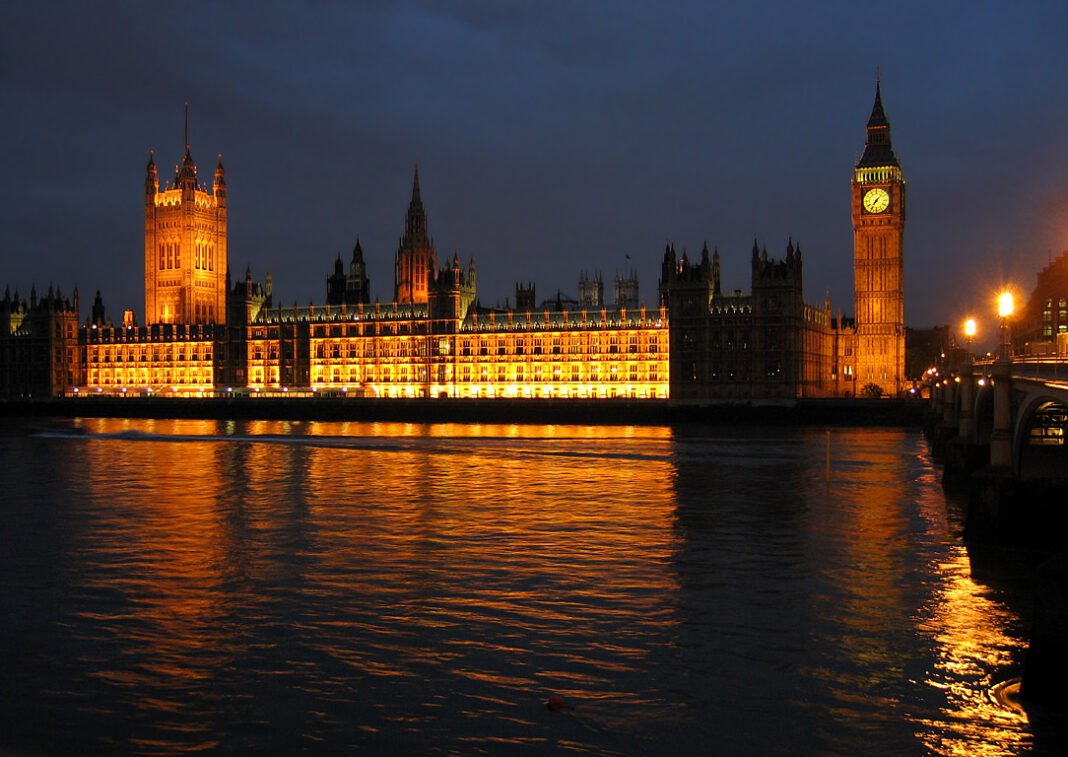
The capital is the obvious starting point — a city of 9 million people that somehow manages to feel both enormously international and quintessentially English at the same time. The museums (British Museum, Natural History Museum, Tate Modern, National Gallery) are world-class and almost entirely free. The parks (Hyde Park, Regent’s Park, Hampstead Heath) are extraordinary. The food scene has evolved beyond all recognition in the past two decades, and the theatre scene remains the best in the world outside Broadway — and in many ways better. Allow at least four or five days and explore beyond the tourist center.
2. Edinburgh, Scotland
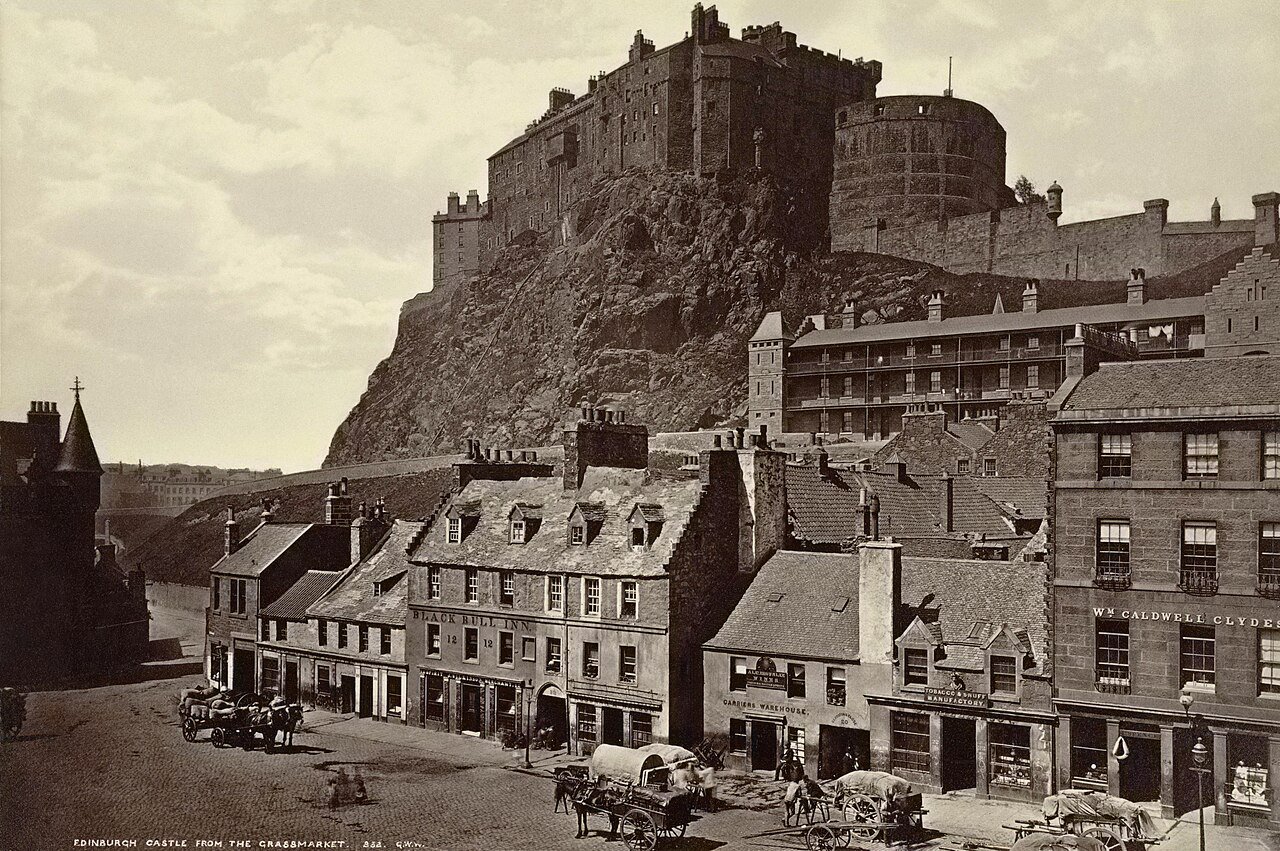
Edinburgh is one of the most dramatically beautiful cities in Europe. The medieval Old Town, perched on a volcanic ridge above the New Town’s Georgian elegance, creates a skyline that’s unlike any other in Britain. Edinburgh Castle dominates from above; the Royal Mile drops steeply to the Palace of Holyroodhouse below. The city is walkable, the food has improved enormously in recent years (particularly at the top end — Restaurant Martin Wishart holds a Michelin star), and the August Edinburgh Festival (encompassing the Fringe, the International Festival, and the Military Tattoo) is the world’s largest arts festival.
3. The Cotswolds
The Cotswolds is the archetypal English countryside — rolling hills, honey-colored limestone villages with thatched roofs, ancient parish churches, village pubs serving real ale, and market towns with independent shops and cafes. Bourton-on-the-Water, Burford, Chipping Campden, and Stow-on-the-Wold are the most famous villages; Bibury’s Arlington Row is possibly the most photographed scene in rural England. The area is best explored by car or on foot — the Cotswold Way (102 miles) is one of England’s most beautiful long-distance walks.
4. Bath
Bath is perhaps the most perfectly preserved Georgian city in Britain — and the only place in the UK with naturally hot spring water that flows at a constant 46°C. The Roman Baths (a remarkably complete complex built around the hot springs 2,000 years ago) are one of the finest Roman sites in Britain. The Royal Crescent and Pulteney Bridge are among England’s most beautiful architectural set pieces. The city is compact, walkable, and full of excellent restaurants, independent shops, and museums. It’s an easy day trip from London but deserves at least one overnight stay.
5. The Scottish Highlands
The Scottish Highlands are one of the wildest and most dramatic landscapes in Europe — vast moorlands, ancient mountain ranges (the Cairngorms, the Torridon range, the Cuillins of Skye), deep lochs, and a coastline of extraordinary beauty. Glencoe is one of the most atmospheric valleys in Britain, with a violent history and brooding, magnificent scenery. Loch Ness is famous for all the wrong reasons — the monster is almost certainly fictional — but the loch itself is beautiful, and Urquhart Castle on its shores is an atmospheric ruin. The Isle of Skye, accessible by bridge, has landscapes (Old Man of Storr, Fairy Pools, Quiraing) that look like they belong in a fantasy film.
6. Snowdonia, Wales
Snowdonia National Park in North Wales is the most dramatic mountain landscape in England and Wales — 823 square miles of jagged peaks, glacial lakes, ancient forests, and coastal viewpoints. Mount Snowdon (Yr Wyddfa in Welsh), at 3,560 feet, is the highest peak in England and Wales and can be reached by various walking routes or by the Snowdon Mountain Railway. The landscape also has a remarkable cultural depth — Welsh is still widely spoken here, and the castles (Conwy, Harlech, Caernarfon) are among the finest medieval fortifications in Europe.
7. York
York is one of England’s most complete medieval cities — a place where two thousand years of history are compressed into a walkable city center you can explore on foot in a day. The Bar Walls, which encircle much of the historic core, date back to Roman times and offer one of the finest urban walks in England. York Minster, the largest Gothic cathedral in Northern Europe, took 250 years to build and contains more medieval stained glass than any other building in Britain. The Shambles — a narrow medieval street lined with timber-framed buildings that lean toward each other overhead — is more atmospheric than any staged recreation could be.

8. Canterbury
Canterbury has been drawing pilgrims for eight centuries — ever since the murder of Thomas Becket in 1170 made it one of the most important Christian sites in the world. The cathedral is magnificent, a Gothic masterpiece that dominates the skyline of a city that is otherwise remarkably well-preserved, with medieval streets, Roman walls, and the ruins of St Augustine’s Abbey within easy walking distance. The city is easily reached from London by fast train (under an hour), and the surrounding countryside — the hop gardens, orchards, and chalk downland of the Kentish Weald — rewards exploration for those with a car.
9. The Giant’s Causeway and the Antrim Coast, Northern Ireland
The Giant’s Causeway is one of the great natural wonders of the British Isles — some 40,000 interlocking basalt columns formed by ancient volcanic activity, extending from the cliff face into the sea on the north Antrim coast. The hexagonal geometry is so precise that it looks almost man-made, which is precisely why the legend (that it was built by the giant Fionn mac Cumhaill to cross to Scotland) took hold. The Causeway Coast Way, a 33-mile walking route that passes sea stacks, ruined castles, and some of the most dramatic coastal scenery in Ireland, is one of the finest long-distance walks in the British Isles.
10. The Lake District
England’s largest national park, the Lake District, is a landscape of glacial lakes (windermere, Coniston Water, Ullswater) surrounded by the highest peaks in England (Scafell Pike, Helvellyn). It inspired the Romantic poets — Wordsworth and Coleridge lived here — and was the setting for Beatrix Potter’s Peter Rabbit stories. Walking is the primary activity, with everything from gentle lakeshore strolls to challenging ridge walks. Ambleside and Keswick are the main visitor towns.
11. Stonehenge and Wiltshire
Stonehenge is one of the most recognizable prehistoric monuments in the world — a ring of massive standing stones erected around 2500 BC, though the site was used for rituals long before the stones were erected. The visitor center is excellent; the “inner circle” access tickets (which allow you to walk among the stones outside public hours) sell out far in advance but are worth trying to book. Nearby Avebury — a much larger but less famous stone circle that actually includes a village within its circumference — is equally fascinating and free to enter.
12. Brighton
Brighton is England’s most vibrant seaside city — a place with a strong LGBTQ+ community, a rich independent culture, excellent restaurants and bars, the remarkable Royal Pavilion (an Regency-era palace in an Indian-inspired style that has to be seen to be believed), and the famous Brighton Palace Pier. Just an hour from London by train, it’s the perfect day trip or weekend escape from the capital, especially in summer when the pebble beach, seafront restaurants, and the Lanes (a network of narrow shopping streets) are at their liveliest.