.jpg?width=1200)
Best Places to Live in New Hampshire 2026: From Portsmouth to the White Mountains
New Hampshire’s residential communities are concentrated in two distinct geographic and cultural zones — the southern tier’s Boston-commuter suburbs (where proximity to Massachusetts employment drives housing demand and shapes community character) and the more independent communities of the Lakes Region, White Mountains, and upper Connecticut River valley (where quality of life, outdoor access, and the state’s distinctive character attract remote workers, retirees, and households seeking an alternative to the suburban Boston model). Between these zones, Concord provides the administrative center and Manchester the industrial and commercial hub. The state’s most sought-after residential communities reflect the full range of these possibilities — from Portsmouth’s urban sophistication to the mountain lifestyle of the Conway area to the university character of Hanover.
1. Portsmouth — The Seacoast’s Premier City
Portsmouth, New Hampshire’s most culturally vibrant city, occupies a unique position in the New England residential hierarchy — a small city (22,000 residents) with a quality of life that competes with cities three times its size, built on a foundation of colonial architectural heritage, an exceptional restaurant and arts scene, and the proximity of both the Seacoast (10 minutes to Hampton Beach and Odiorne Point) and the White Mountains (90 minutes to the North Conway area). The city’s downtown — Market Square, the adjacent Strawbery Banke historic district, and the commercial blocks along Congress and State Streets — offers the walkable urban experience that many New Hampshire communities lack, with coffee shops, independent bookstores, craft breweries, and a music hall that regularly books touring national acts.
Portsmouth’s housing costs reflect its desirability — single-family homes in the city’s historic neighborhoods run $550,000–$900,000, with the most desirable colonial and Federal-period houses in the South End commanding premium prices from buyers who recognize their architectural irreplaceability. The surrounding seacoast communities of Rye (quiet, wealthy, with direct ocean frontage), Newington (more commercial, with slightly lower prices), and Exeter (inland, with one of the best public high schools in New Hampshire at Phillips Exeter’s neighbor, Exeter High School) provide alternatives within the broader Portsmouth area at varying price points. Portsmouth’s property taxes are among the lower in New Hampshire (the city’s strong commercial tax base reduces the residential burden), making the overall cost calculation more favorable than raw housing prices suggest.
2. Exeter — The Academic Village
Exeter, 14 miles from Portsmouth along the Exeter River, is defined by the coexistence of Phillips Exeter Academy — one of the most prestigious secondary schools in the United States, whose Georgian campus defines the town’s visual and cultural character — with a small-city downtown that has developed genuine quality over the past two decades. The town’s walkable Main Street, the Exeter Inn (a 1932 Colonial Revival hotel at the center of town), the Water Street independent restaurant corridor, and the Ioka Theater (a restored 1915 movie house) create a small-city character that attracts both Exeter Academy families and Boston-commuter households seeking quality schools.
Exeter’s public school district benefits directly from its proximity to Phillips Exeter — the town’s expectations for educational quality are set high by the presence of one of the finest schools in the world. Median home prices of $450,000–$650,000 for single-family homes in desirable school zones reflect the school district premium; properties near Exeter Academy’s campus command additional premiums from buyers who value the architectural and cultural environment the school creates. Exeter’s property tax rate is above the state average (reflecting the school district’s spending), but the combined cost of private schooling is obviously eliminated for households whose children qualify for public school.
_-_01.jpg?width=1200)
3. Manchester — Affordable Urbanism
Manchester, New Hampshire’s largest city with 115,000 residents along the Merrimack River, provides the state’s most urban residential experience at prices significantly below Portsmouth’s seacoast premium. The city’s Millyard — the former Amoskeag Manufacturing Company complex that once housed the world’s largest textile manufacturing operation along a mile of Merrimack riverfront — has been transformed over 40 years of adaptive reuse into a mixed-use district of technology companies, restaurants, arts organizations, and residential lofts that represents one of the more successful industrial heritage conversions in New England. The Manchester-Boston Regional Airport, the University of New Hampshire’s Manchester campus, Catholic Medical Center, and Elliot Hospital provide significant local employment that makes Manchester less dependent on Boston commuting than the southern tier communities.
Median home prices of $320,000–$440,000 in Manchester’s residential neighborhoods — the south end’s Victorian-era single-family homes, the Beech Street and Candia Road corridors, and the newer development on the city’s edges — provide the most accessible homeownership entry point in the southeastern New Hampshire market. The city’s diverse neighborhoods include the historic mansions of the north end (adjacent to Derryfield Park and the Manchester Country Club), the working-class triple-deckers of the west side, and the more affordable ranch and cape neighborhoods of the city’s mid-20th-century growth. Manchester’s property tax rate is among the more moderate in southern New Hampshire, reflecting the city’s commercial and industrial tax base.
4. Hanover — The University Town
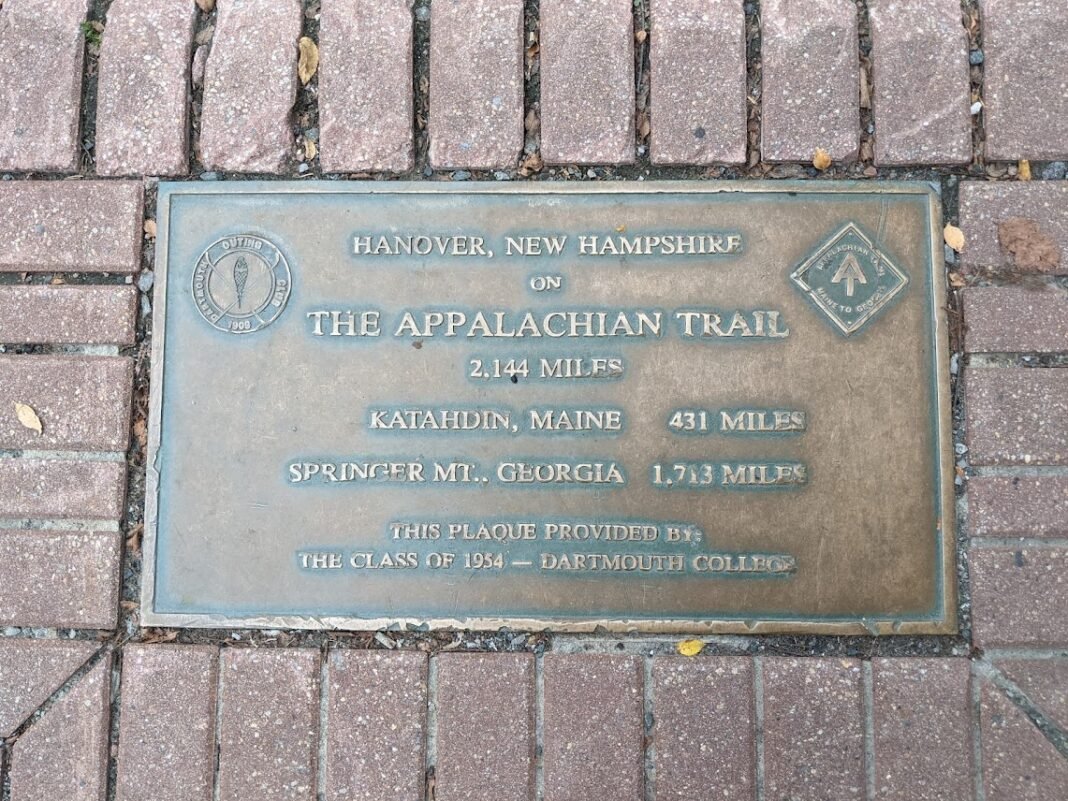
Hanover, home of Dartmouth College on the upper Connecticut River, provides New Hampshire’s most intellectually concentrated residential environment — a small town of 11,000 residents (with Dartmouth’s 6,600 undergraduates and 2,000 graduate students creating a campus-town dynamic) that offers the cultural amenities of a major university (the Hood Museum, the Hopkins Center, world-class visiting lecturer series, and the intellectual stimulation of being adjacent to one of the country’s finest research universities) at a remove from the Boston metropolitan area’s costs and congestion. The town’s proximity to the Vermont ski resorts (Killington and Sugarbush are each within 90 minutes; Dartmouth Skiway is 10 miles away) and the Connecticut River recreational corridor completes a lifestyle package that attracts physicians, academics, and remote professionals who value intellectual community over urban entertainment.
Housing in Hanover is expensive by New Hampshire standards — the town’s desirability, the faculty and physician demand, and the limited supply of single-family homes in walkable distance of the Dartmouth campus push median prices to $550,000–$800,000 for typical single-family homes. Lebanon (the adjacent commercial city) and the surrounding communities of Lyme, Norwich (Vermont, across the river), and Enfield provide alternatives at modestly lower prices while maintaining access to Dartmouth’s cultural amenities. Hanover’s public school system (Dresden School District, shared with Norwich, Vermont) is excellent, reflecting the educational expectations of a university community.
5. North Conway — Mountain Town Living
North Conway, the commercial center of the Mount Washington Valley in the eastern White Mountains, provides the most complete mountain lifestyle in New Hampshire — a community where ski resorts (Cranmore Mountain Resort is literally walkable from town; Attitash and Wildcat Mountain are 15 and 25 miles away), White Mountain National Forest hiking, and the Saco River’s canoeing and swimming create year-round outdoor recreation access from a base with genuine town character. North Conway’s commercial strip (the outlet stores along Route 16 that draw tax-free shopping tourists from Massachusetts and Maine) contrasts with the more authentic character of the adjacent village of Conway and the quieter Intervale, but the combination of outdoor access, community infrastructure, and the year-round economy supported by four-season recreation makes the Mount Washington Valley one of the most complete mountain communities in the eastern US.
Year-round single-family homes in North Conway and Conway run $320,000–$520,000; the vacation property market (condominiums adjacent to ski slopes, chalets in the surrounding hillsides) operates at different price points driven by rental income potential. Remote workers who relocated to North Conway during the pandemic’s geographic liberation have become a permanent component of the community, and the resulting demand has tightened what was previously a buyer-friendly market. Carroll County’s property taxes are among the lower in New Hampshire, making the overall cost calculation more favorable than communities in the more densely developed southern tier.