Vermont’s residential landscape is defined by its deliberate smallness — the state has no city above 50,000 residents, and its most appealing communities pair the walkable village character of 19th-century New England with modern food, arts, and outdoor recreation. The choice here is less about urban versus suburban and more about where you want to sit on the rural-to-urban spectrum that Vermont offers: Burlington (the largest city, yet still a small university town by national standards), the ski resort towns of Stowe, Killington, Woodstock, and Manchester, and the rural villages and Northeast Kingdom communities that deliver maximum Vermont atmosphere at minimum cost. Remote workers, outdoor recreation seekers, and households leaving denser Northeast cities have each found a different version of what they were after across Vermont’s 251 towns.

1. Burlington: The Queen City
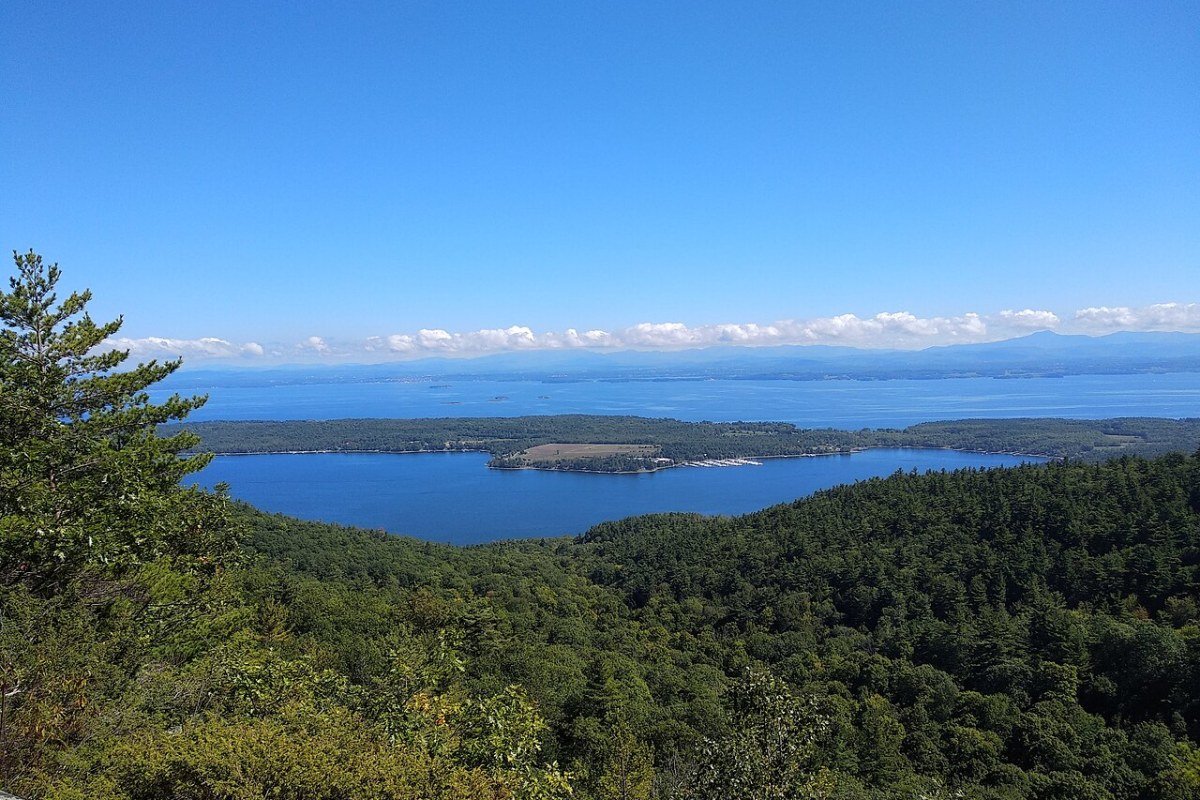
Burlington is Vermont’s cultural, commercial, and medical hub — a walkable city of roughly 45,000 on the eastern shore of Lake Champlain, with the Church Street pedestrian marketplace at its center, a renovated waterfront looking across to the Adirondacks, and two campuses (the University of Vermont and Champlain College) fueling a food and arts scene far larger than the population would suggest. The New North End and South End hold the most sought-after residential real estate — craftsman homes, converted Victorian apartments, and newer condominiums near the bike paths and waterfront. Median home prices of $520,000–$580,000 mark Burlington as the state’s hottest housing market. The Hill Section (next to UVM) and the Old North End (cheaper, more diverse, more urban) round out the neighborhood picture.

2. Stowe: The Mountain Town Standard
Stowe sets the bar for a Vermont mountain town — a village of about 4,000 at the base of Mount Mansfield, with ski-in/ski-out access to the state’s finest resort, a Mountain Road lined with independent restaurants and shops, and a Recreation Path tracing the West Branch River from the village to the mountain. The premium is steep: single-family homes in Stowe proper run from $650,000 to well past $1.5 million, with ski-adjacent properties at the top of the range and a town median that now sits above $1 million. The town draws a mix of year-round residents working in the resort and hospitality economy, second-home buyers from Boston and New York, and remote workers who can stomach the cost for four-season access — skiing in winter, hiking and mountain biking in summer, and the most celebrated foliage in the state come fall.
3. Woodstock: Historic Vermont Perfection
Woodstock, in the Upper Connecticut River Valley, is the village postcards are made of — a National Historic District with a covered bridge, a village green, and Federal and Georgian architecture about as concentrated as New England gets. The Marsh-Billings-Rockefeller National Historical Park, the first National Park unit dedicated to conservation history, wraps 550 acres of forest and carriage roads against the edge of the village. Saskadena Six (the small but well-loved ski hill long known as Suicide Six until its 2022 renaming) is just up the road; Killington is 17 miles west for serious vertical. An independent bookstore, a tight cluster of restaurants, and the working dairy at Billings Farm & Museum give the village a calendar of its own. Home prices track the scarcity: roughly $600,000 to $1.2 million for village properties, with cheaper options in the outlying townships and a town median near $780,000.
4. Montpelier: Capital Character
Montpelier — the state capital and, with about 8,000 residents, the smallest state capital in the country — packs the civic and professional life of a capital city into the smallest possible footprint. State government supplies a stable employment base; a downtown of independent restaurants, coffee shops, and the long-running Bear Pond Books gives the place a bookish, walkable core that punches well above its size. (The New England Culinary Institute trained chefs here for four decades and helped seed that food culture before it closed in 2021, but the restaurants it inspired have outlasted it.) Housing in the $350,000–$500,000 range offers real value next to Burlington for comparable walkability, particularly for households tied to state government or the agencies around it.
5. Mad River Valley: Skier’s Valley
The Mad River Valley — Warren, Waitsfield, and the townships around them — is the most fiercely loyal ski community in the state, home to Mad River Glen (the cooperatively owned mountain that still bans snowboards and runs a single chairlift) and Sugarbush Resort (a 4,000-acre operation spanning Lincoln Peak and Mount Ellen, with one of the largest continuous vertical drops in Vermont). Covered bridges, organic farms, and the General Wait House show the valley at its most agricultural. The residents reflect that pull: multi-generational ski families, organic farmers, artists, and professionals who chose the valley’s mix of scenery and tight community over the convenience of a city. Expect $450,000–$700,000 for the more desirable properties.
6. Brattleboro: Southern Vermont’s Cultural Hub
Brattleboro, where the West River meets the Connecticut in Vermont’s southeastern corner, is the state’s most artistically restless small city — a community of about 12,000 whose downtown of bookstores, galleries, music venues, and restaurants has pulled in artists, writers, and musicians for decades. The Brattleboro Museum and Art Center, the Latchis Theatre (a 1938 Art Deco cinema and performing-arts house), and the annual Brattleboro Literary Festival sustain a cultural calendar you would not expect at this scale. The Retreat Farm and the river-valley countryside put outdoor recreation a short walk from downtown. Median home prices around $300,000–$420,000 make Brattleboro one of the more affordable Vermont towns with a real urban pulse — and its spot on Interstate 91 and the Amtrak Vermonter line (a one-seat ride toward New York City) gives it a transportation edge that more remote corners of the state simply lack.
Making Your Decision
Where you land in Vermont comes down to matching your real priorities to what each place actually delivers. Budget, jobs, access to the outdoors, climate, and the feel of a community all carry different weight depending on your life stage — and no ranking substitutes for that personal read. The towns profiled here are the strongest all-around options, but Vermont is full of smaller communities that trade urban convenience for lower prices, more quiet, or closer footing to the landscape. If you can, spend a long weekend in your shortlist before committing — the practical factors matter enormously, but so does the harder-to-measure sense of whether a place fits where you are right now.
Frequently Asked Questions
What makes Burlington Vermont’s most complete urban experience?
Burlington is Vermont’s cultural, commercial, and medical hub — a walkable city of roughly 45,000 on the eastern shore of Lake Champlain, with the Church Street pedestrian marketplace at its center, a renovated waterfront facing the Adirondacks, and the University of Vermont and Champlain College driving a food and arts scene larger than the population suggests. The New North End and South End hold the most sought-after homes; the Old North End is cheaper and more urban. Median prices of $520,000–$580,000 make it the state’s hottest housing market. For households who want Vermont without giving up walkability, culture, and a deep job market, it’s the only city in the state that delivers all three.
What makes Stowe Vermont’s most aspirational residential address?
Stowe sets the standard for a Vermont mountain town — a village of about 4,000 at the base of Mount Mansfield, with direct access to the state’s finest ski resort, a Mountain Road of independent restaurants and shops, and a Recreation Path running along the West Branch River to the mountain. It draws year-round resort workers, second-home buyers from Boston and New York, and remote workers who can afford four-season access: skiing in winter, hiking and mountain biking in summer, and the most celebrated foliage in the state in fall. Single-family homes run from $650,000 to well past $1.5 million, with ski-adjacent properties commanding the highest prices and a town median above $1 million.
What makes Woodstock the most photographically perfect village in Vermont?
Woodstock, in the Upper Connecticut River Valley, is the village postcards are made of — a National Historic District with a covered bridge, a village green, and Federal and Georgian architecture about as concentrated as New England gets. The Marsh-Billings-Rockefeller National Historical Park wraps 550 acres of conserved forest against the village, and Billings Farm & Museum ranks among the finest working farm museums in the country. Saskadena Six (formerly Suicide Six) ski area is nearby; Killington is 17 miles west for serious skiing. An independent bookstore, a strong restaurant cluster, and a full cultural calendar make the village largely self-contained. Home prices run $600,000–$1.2 million for village properties, with cheaper options in the outlying townships.
What makes Montpelier the most distinctive state capital in America?
Montpelier is the smallest state capital in the United States by population — about 8,000 residents — packing the civic and professional life of a capital into the smallest possible footprint. State government anchors the local economy; a downtown of independent restaurants, coffee shops, and Bear Pond Books gives it a bookish, walkable core that punches above its size. The New England Culinary Institute trained chefs here for four decades before closing in 2021, but the restaurant culture it helped build endures. Housing in the $350,000–$500,000 range offers real value next to Burlington for comparable walkability, especially for households tied to state government.
What makes Brattleboro Vermont’s best-value community with genuine urban character?
Brattleboro, where the West River meets the Connecticut in Vermont’s southeastern corner, is the state’s most artistically restless small city — a community of about 12,000 whose downtown of bookstores, galleries, music venues, and restaurants has drawn artists, writers, and musicians for decades. The Brattleboro Museum and Art Center, the Latchis Theatre (a 1938 Art Deco cinema and performing-arts house), and the annual Brattleboro Literary Festival sustain a cultural calendar rare at this scale. Median home prices around $300,000–$420,000 make it one of the more affordable Vermont towns with a real urban pulse. Its spot on Interstate 91 and the Amtrak Vermonter line (toward New York City) gives it a transportation edge more remote Vermont towns lack.