

New Jersey’s outdoor recreation runs on the ecological and geographic variety packed into a state most outsiders associate only with urban density and highway corridors. The Jersey Shore’s 130 miles of Atlantic coastline hold barrier island beaches, tidal estuary kayaking, and the ocean fishing that has sustained shore communities for generations. The Pine Barrens — 1.1 million acres of coastal plain forest with cedar streams, carnivorous plant bogs, and the Batona Trail backpacking route — deliver wilderness immersion that surprises most first-time visitors given the surrounding suburbs. The Delaware Water Gap in the northwest holds the state’s most dramatic Appalachian hiking, and the Delaware River itself carries whitewater kayaking and float trips that rival the best in the mid-Atlantic. New Jersey is consistently underestimated as an outdoor destination.
.jpg?width=1200)
The Jersey Shore: Beach and Water Recreation
New Jersey‘s Atlantic coastline runs from the undeveloped barrier spit of Sandy Hook through the family resort beaches of the Monmouth and Ocean County shore towns to the Victorian elegance of Cape May at the peninsula’s southern tip. Most shore communities charge for beach access — the beach badge system (daily badges typically $7–$15, season badges $30–$80) is universal across Monmouth, Ocean, Atlantic, and Cape May Counties. Free beaches are the exception: Sandy Hook (managed by the National Park Service), Island Beach State Park (admission by car), and the Wildwood beaches (free by ordinance) are the main places where no badge is required.
Island Beach State Park, a 10-mile barrier peninsula in Ocean County kept entirely as a natural area without commercial development, holds the finest natural beach experience on the central Jersey Shore — ocean beach, bay-side kayaking, and a maritime forest and dune ecosystem that shows what the entire coast looked like before development arrived. The park’s fishing pier and surf-fishing access draw anglers year-round, and the interpretive programs on dune and coastal ecology make it an educational stop as well as a recreational one. Inland, the Manasquan Reservoir in Monmouth County and Spruce Run Recreation Area in Hunterdon County open up freshwater boating and kayaking for residents of central New Jersey.

Pine Barrens: Paddling and Hiking
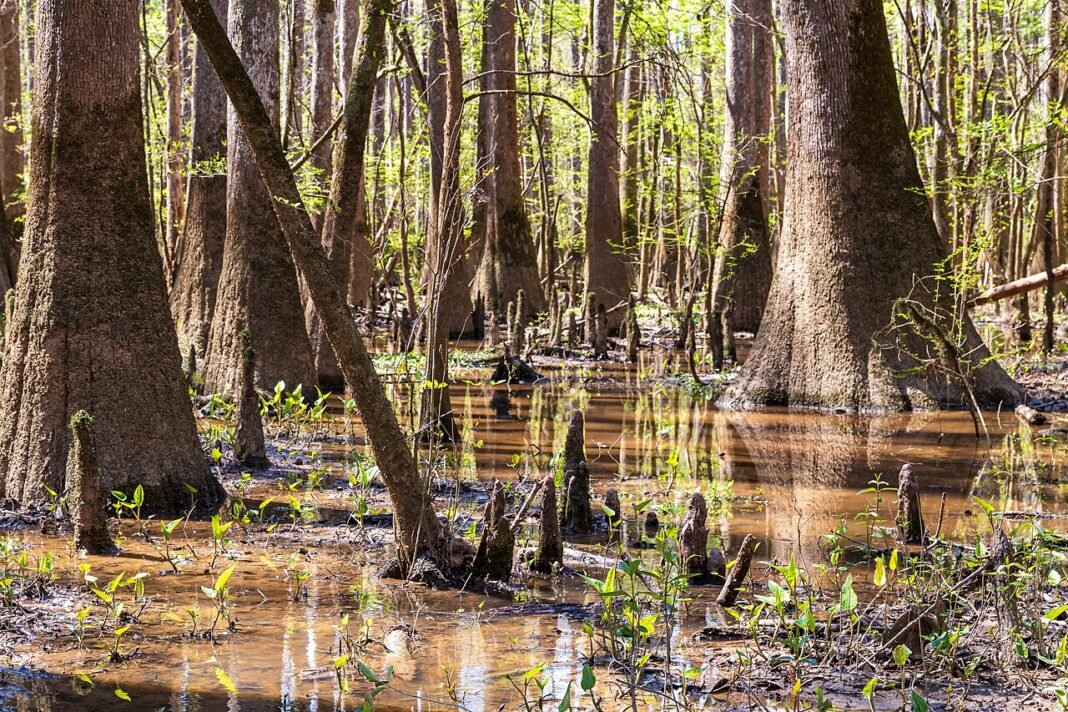
The Pine Barrens’ cedar streams — the Mullica, the Batsto, the Oswego, the Wading, the Toms, and the Great Egg Harbor — hold some of the finest flatwater paddling in the mid-Atlantic, running clear and dark through old-growth Atlantic white cedar swamps over white sand beds. The water’s tea color comes from tannins leached out of the cedar forest, and the acidity those tannins create historically kept down the bacterial growth that would otherwise make stagnant-looking water unsafe — Pine Barrens water counts among the purest surface water in the northeastern United States. The Wading River, the Oswego River (between Oswego Lake and the Mullica River), and the Batsto River each run half-day to full-day canoe and kayak routes with no rapids, minimal portages, and put-in/take-out access handled by local outfitters.
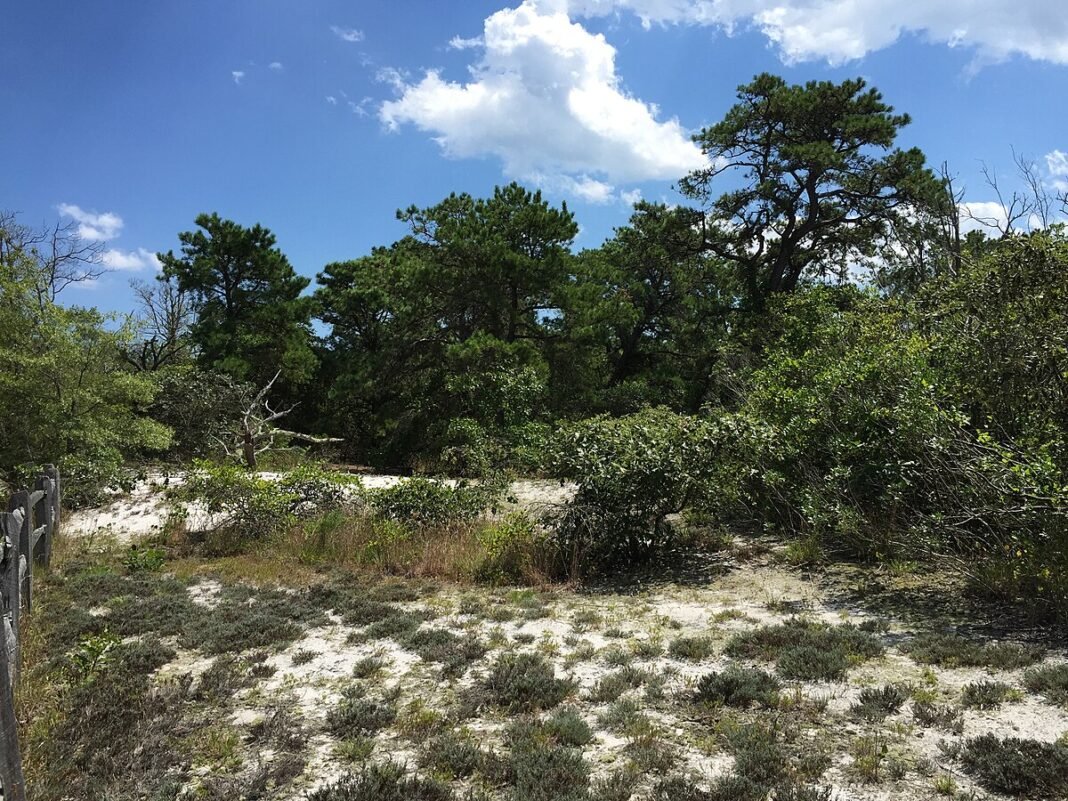
The Batona Trail — roughly 53.5 miles through the Pine Barrens from Brendan T. Byrne State Forest south through Franklin Parker Preserve and Wharton State Forest to Bass River State Forest — is the state’s only extended backcountry hiking route in the Coastal Plain ecosystem. It passes through dwarf pine plains (where recurrent fire keeps the forest at shoulder height, closer to a shrubby savanna than a conventional woodland), cedar swamps, and the upland pine-oak associations that define the Pinelands. Hikers can take it on as a multi-day backpacking trip (four designated campsite areas line the route), as a string of day hikes from various trailheads, or as part of a bicycle tour on the flat, hard-packed sand roads of the state forest system. The level terrain and sandy footing keep the Batona within reach of hikers at any ability level.
Delaware Water Gap: Hiking and Paddling
The Delaware Water Gap National Recreation Area’s 70,000 acres along the New Jersey side of the Delaware River hold the state’s most dramatic topographic hiking — the Kittatinny Ridge, which the Delaware River cuts through at the gap, runs north from there to the New York State line, with the Appalachian Trail along its crest and side trails climbing to the ridge from valley roads. Mount Tammany on the New Jersey side is the most popular day hike in the recreation area — a roughly 4-mile loop (Red Dot up to Blue Dot down) that gains about 1,200 feet to ridge-top views across the Delaware River gorge and the gap itself, the paired notches laid out in a panorama that brings the scale of the river’s work into focus. Sunfish Pond, a glacial lake set on the Kittatinny Ridge above the gap, sits 6.5 miles round trip from the Dunnfield Creek parking area along the Appalachian Trail and ranks among the finest hiking objectives in the state.
Below the Water Gap, the Delaware River carries 25 miles of Class I–II whitewater down to the Dingmans Ferry take-out, with longer flatwater stretches reaching south through the Kittatinny Valley. Tubing and canoe outfitters work out of Milford and Delaware Water Gap village, renting equipment and running shuttle service for the river’s most popular day-float sections. The Delaware River Sojourn — a multi-day organized paddle along the whole river each June — runs through the New Jersey stretch and pairs the trip with an education program on the river’s ecology and history. North of the recreation area, Kittatinny Valley State Park adds more hiking trails and the 77-mile Sussex Branch Trail rail-trail for cycling and walking.
Fishing and Wildlife
New Jersey’s fishing runs more varied than its small size would suggest — the state sits where the warm Gulf Stream meets the colder Mid-Atlantic coastal waters, producing a mix of marine species reachable from shore, pier, and charter boat. The party boat fleet out of Belmar, Point Pleasant, Brielle, Cape May, and Atlantic City opens up affordable offshore fishing for bluefish, fluke, and sea bass, plus seasonal tuna, mahi-mahi, and wahoo for boats that run farther out. The striped bass run — which peaks in fall and spring as the fish migrate along the coast — is the most significant recreational fishery on the Jersey Shore, drawing surf casters to the barrier island beaches and bay-side anglers from Sandy Hook to Cape May. The Great Bay and the Mullica River estuary in the Pine Barrens hold weakfish, fluke, and bluefish in a sheltered estuarine setting.
Wildlife watching in New Jersey reaches well beyond the Cape May hawk watch that defines the state’s birding reputation. The Edwin B. Forsythe National Wildlife Refuge (the largest refuge in the state, covering about 48,000 acres of coastal salt marsh along the Atlantic County shoreline) turns up exceptional waterfowl and shorebird viewing year-round — the 8-mile Wildlife Drive through the impoundments is the most productive and accessible wildlife observation in New Jersey. The Great Swamp National Wildlife Refuge in Morris County, a remnant of the glacial lake that covered the Passaic River watershed after the last ice age, supports breeding wood ducks, great blue herons, and a range of migrant songbirds reached by boardwalk through the swamp habitat. Black bear sightings have grown more common in the northwestern counties as the population has spread out from the Kittatinny Mountains; the state runs an annual black bear hunt, but encounters in northwestern residential areas happen often enough to warrant standard bear-aware practices.
Frequently Asked Questions
What natural beach experience does Sandy Hook offer on the Jersey Shore?
Sandy Hook, the barrier peninsula at the northern end of the Monmouth County coast managed as part of Gateway National Recreation Area, holds one of the finest natural beaches on the Jersey Shore — roughly 7 miles of ocean beach on an undeveloped spit, with New York Harbor views and the Fort Hancock historic district where 19th-century military fortifications stand at the peninsula’s tip. Unlike most of the shore, Sandy Hook’s beaches are free to enter (National Park Service; parking fees apply). Island Beach State Park in Ocean County, a 10-mile barrier peninsula kept entirely as a natural area without commercial development, offers the equivalent on the central shore — ocean beach, bay-side kayaking, and a maritime forest and dune ecosystem that shows what the coast looked like before development. Most shore communities charge beach badge fees (typically $7–$15 daily), which makes these free or park-fee alternatives especially worthwhile.
What paddling does the Pine Barrens offer?
The Pine Barrens’ cedar streams — the Mullica, the Batsto, the Oswego, the Wading, the Toms, and the Great Egg Harbor — hold some of the finest flatwater paddling in the mid-Atlantic, running clear and dark through old-growth Atlantic white cedar swamps over white sand beds. The tea color comes from tannins leached out of the cedar forest, and the acidity historically kept down bacterial growth that would otherwise affect water quality — Pine Barrens water counts among the purest surface water in the northeastern United States. The Wading River, the Oswego River (between Oswego Lake and the Mullica River), and the Batsto River each run half-day to full-day canoe and kayak routes with no rapids, minimal portages, and put-in/take-out access handled by local outfitters concentrated around Chatsworth, Tuckerton, and the Batsto area.
What hiking does the Delaware Water Gap and the Appalachian Trail offer in New Jersey?
The Delaware Water Gap National Recreation Area holds the state’s most dramatic Appalachian hiking. Mount Tammany on the New Jersey side is the most popular day hike in the recreation area — a roughly 4-mile loop (Red Dot up to Blue Dot down) that gains about 1,200 feet to ridge-top views across the Delaware River gorge. Sunfish Pond, a glacial lake on the Kittatinny Ridge, sits 6.5 miles round trip from the Dunnfield Creek parking area along the Appalachian Trail. The New Jersey AT section runs 72 miles from the Water Gap north through Stokes State Forest to the New York border, one of the most accessible multi-day AT segments in the Northeast. The High Point Monument (1,803 feet, the highest point in New Jersey) in High Point State Park overlooks three states and sits a 1.5-mile walk from the monument parking area.
What fishing and wildlife watching does New Jersey offer?
New Jersey’s fishing runs more varied than its small size suggests. The party boat fleet out of Belmar, Point Pleasant, Brielle, Cape May, and Atlantic City opens up affordable offshore access for bluefish, fluke, and sea bass, plus seasonal tuna and mahi-mahi. The striped bass run — peaking in fall and spring — is the most significant recreational fishery on the Jersey Shore, drawing surf casters and bay-side anglers from Sandy Hook to Cape May. The Edwin B. Forsythe National Wildlife Refuge (about 48,000 acres of coastal salt marsh along the Atlantic County shoreline) turns up exceptional waterfowl and shorebird viewing year-round — the 8-mile Wildlife Drive through the impoundments is the most productive wildlife observation in the state. Cape May Bird Observatory has made Cape May one of the premier hawk-watching and songbird migration spots in eastern North America, with September–October daily raptor counts in the thousands.
What makes the Pine Barrens’ Batona Trail significant for hikers?
The Batona Trail — roughly 53.5 miles through the Pine Barrens from Brendan T. Byrne State Forest south through Franklin Parker Preserve and Wharton State Forest to Bass River State Forest, passing the Carranza Memorial along the way — is the state’s only extended backcountry hiking route in the Coastal Plain ecosystem. It runs through dwarf pine plains (where recurrent fire keeps the forest at shoulder height, closer to a shrubby savanna than a conventional woodland), Atlantic white cedar swamps, and the upland pine-oak associations that define the Pinelands. Four designated campsite areas along the route make multi-day backpacking workable. The level terrain and sandy footing keep the Batona within reach of hikers at any ability level, and the route also works as a string of day hikes from various trailheads or as part of a bicycle tour on the flat, hard-packed sand roads of the state forest system. The Carranza Memorial, marking where Mexican aviator Emilio Carranza crashed on a return flight from New York to Mexico City in 1928, adds a historical note unusual on a backcountry trail.