Washington State Travel Guide 2026: Olympic Rainforests, Cascades, and San Juan Islands
Washington State is the Pacific Northwest at its most varied — within a single state, you can stand in a temperate rainforest receiving 140 inches of annual rainfall on the Olympic Peninsula’s Hoh Rain Forest, ski at Mount Rainier’s Paradise (the snowiest place in North America by recorded annual average), ferry through the San Juan Islands’ orca-patrolled waters, and explore the high desert of the Columbia Plateau east of the Cascades in the same weekend. Seattle, the state’s largest city and the commercial hub of the Pacific Northwest, has been shaped by Boeing’s aerospace legacy, Microsoft and Amazon’s tech dominance, and a geographic setting between Puget Sound and the Cascades that has made outdoor recreation the defining leisure activity for the region’s professional class. The state’s combination of maritime, alpine, and high desert landscapes, its world-class wine country (Walla Walla and the Yakima Valley), and Seattle’s food and coffee culture make Washington one of the most destination-rich states in the country.
Mount Rainier: The Volcano Above Seattle
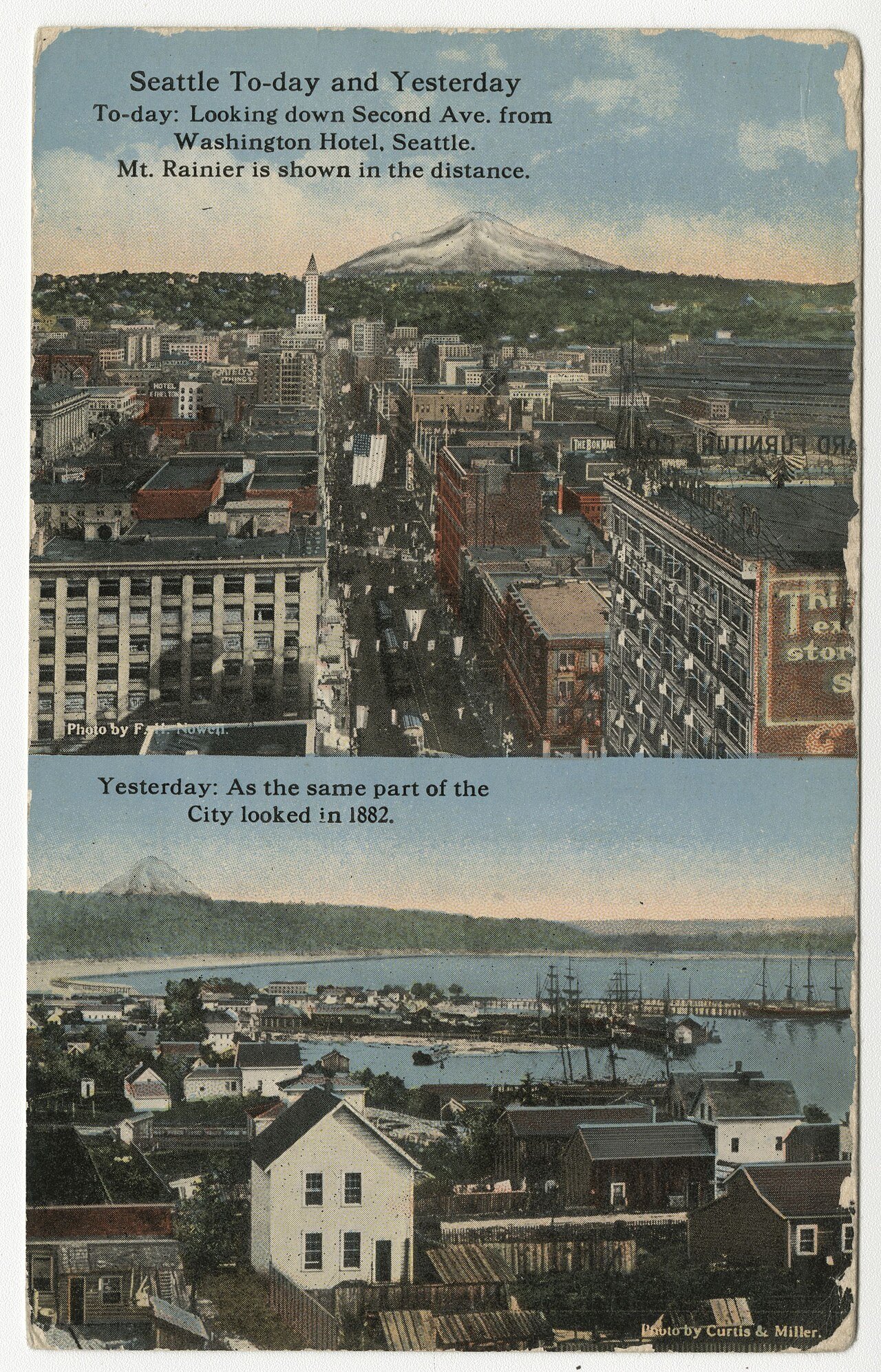
Mount Rainier, visible on clear days from Seattle 59 miles to the northwest, is the most iconic landscape feature of Washington State — a 14,411-foot stratovolcano draped in 35 square miles of glaciers (more glacial ice than any other peak in the contiguous 48 states outside of Alaska) that commands the landscape from every direction. Mount Rainier National Park’s 369 square miles protect the mountain’s slopes and surrounding old-growth forest; the park’s four visitor areas provide dramatically different experiences:
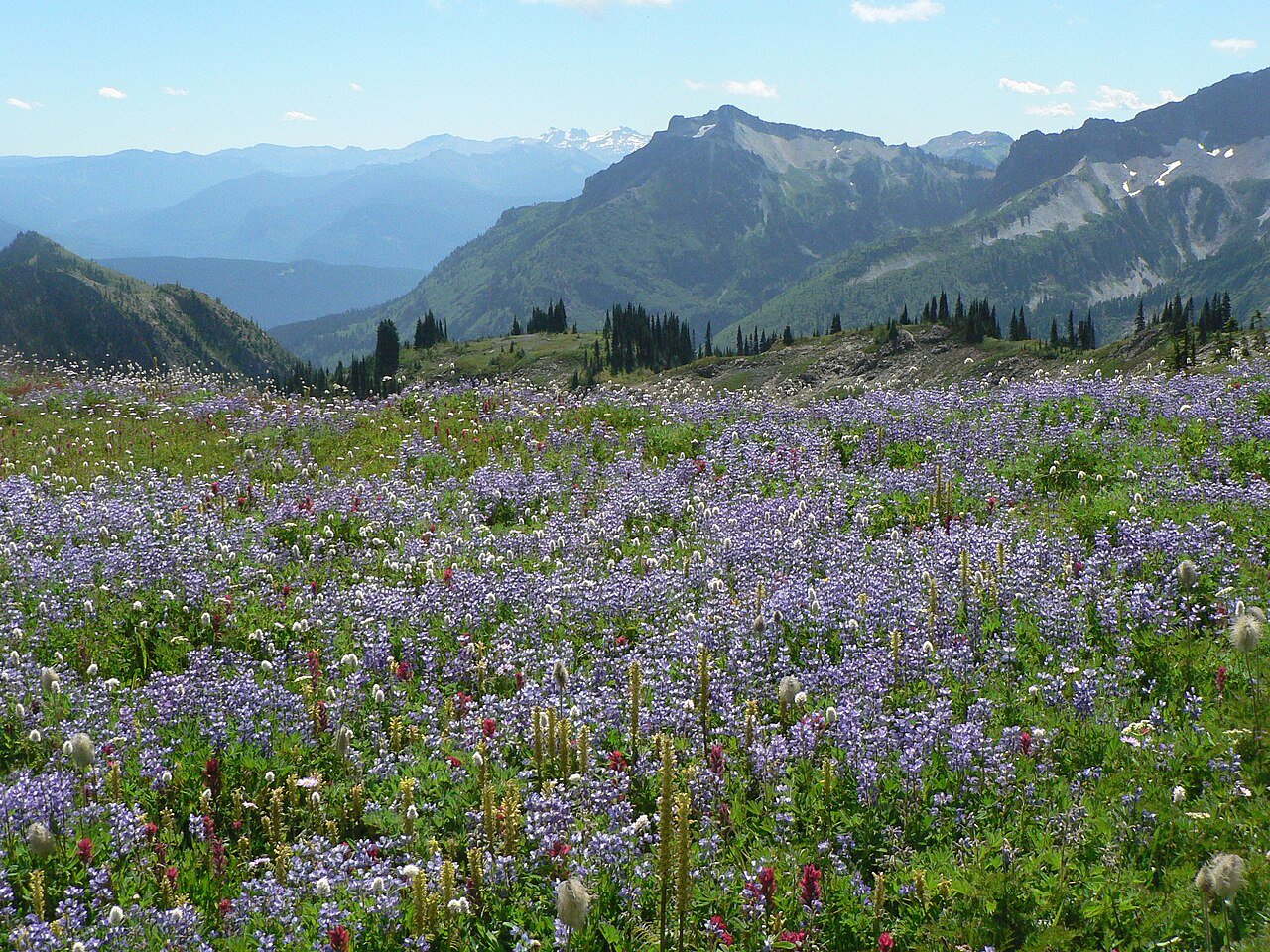
- Paradise (5,400 feet): The most visited area; subalpine meadows with wildflower displays in July–August; the starting point for most summit attempts; the Paradise Inn (National Historic Landmark) provides historic lodging; winter snowshoeing and cross-country skiing
- Sunrise (6,400 feet): Highest point in the park accessible by road; views directly across to the Emmons Glacier (the largest glacier in the contiguous US); shorter season than Paradise (July–September)
- Ohanapecosh: Old-growth forest on the park’s southeast side; the Grove of the Patriarchs trail passes thousand-year-old Douglas firs and western red cedars
- Carbon River: The only inland temperate rainforest in the contiguous US; receives 90+ inches of annual rainfall; the most unusual ecological experience in the park
.jpeg?width=1200)
Olympic National Park: Three Ecosystems
Olympic National Park is the most ecologically diverse national park in the United States, encompassing three completely different ecosystems within its 922,000-acre boundary. The Olympic Mountains provide an alpine core with glaciated peaks above 7,000 feet; the Hoh, Queets, and Quinault Rain Forests on the park’s west side (receiving 140–170 inches of annual rainfall) contain the finest temperate rainforest in the western hemisphere; and 73 miles of wild Pacific coastline provide sea stacks, tide pools, and beach camping accessible only on foot. The Hurricane Ridge area (accessible by road from Port Angeles) provides the most dramatic alpine scenery in the park; the Hoh Rain Forest (with its Hall of Mosses trail winding through bigleaf maple and Sitka spruce draped in club moss) provides the most otherworldly ecological experience.
San Juan Islands: Puget Sound Archipelago
The San Juan Islands, accessible by Washington State Ferry from Anacortes, are the Pacific Northwest at its most distinctive — an archipelago of 172 named islands (4 served by ferry) with a landscape of rocky shores, orca-patrolled waters, and a character that blends maritime New England aesthetic with Pacific Northwest sensibility. San Juan Island (Friday Harbor is the county seat) hosts two national historical park units commemorating the “Pig War” boundary dispute with Britain; the whale-watching from Lime Kiln Point State Park on the island’s west shore (where resident orca pods pass within yards of shore) is the finest land-based whale watching in North America. Orcas Island (the largest, with Mount Constitution at 2,409 feet providing sweeping San Juan views from a stone fire tower) and Lopez Island (the flattest, the cyclist’s choice) complete the ferry-accessible island experience.
Seattle: Coffee, Tech, and the Pacific Northwest Table
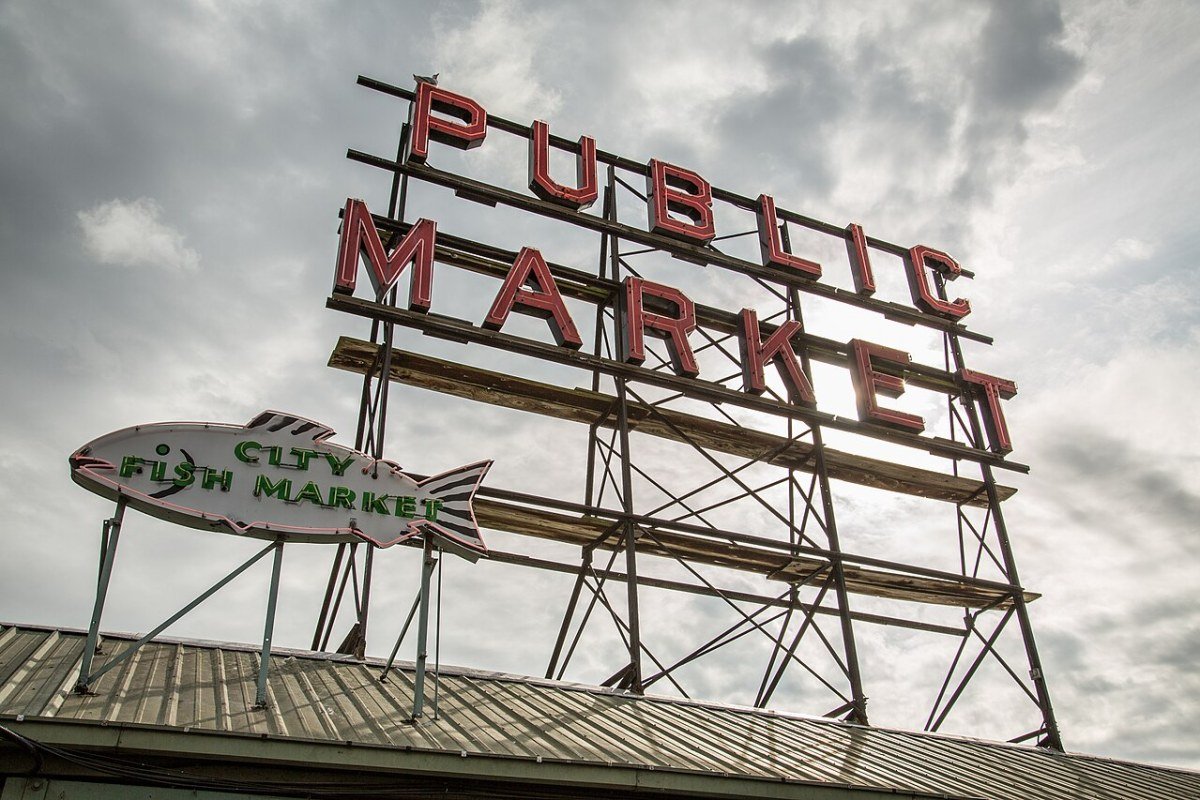
Seattle’s cultural identity has been shaped by the intersection of tech wealth (Microsoft in Redmond, Amazon headquartered in South Lake Union, a hundred smaller companies in between), a maritime setting that makes fresh seafood a daily possibility, and a coffee culture that Starbucks exported globally but that exists in the city in a more nuanced form (the original Pike Place Market Starbucks, the independent roasters of Capitol Hill and Fremont, the espresso window tradition). Pike Place Market (fresh salmon throws, flower stalls, first Starbucks, Rachel the brass pig) remains the most visited tourist site in Seattle. The Seattle Art Museum, the Museum of Pop Culture (Frank Gehry’s building near the Space Needle), and the waterfront’s Olympic Sculpture Park provide cultural infrastructure comparable to much larger cities.
Washington Wine Country: Walla Walla and the Yakima Valley
Washington State is the second-largest wine-producing state in the country, and its wine regions east of the Cascades have established a global reputation for Cabernet Sauvignon, Merlot, Syrah, and Riesling grown in the arid Columbia Basin’s volcanic soils. Walla Walla, a small city in the southeastern corner of the state, has transformed from a wheat and agricultural center into one of the most celebrated wine destinations in North America — more than 120 wineries in and around the city, a walkable downtown with sophisticated restaurants and hotels, and a wine quality in the top tier of American production. The Yakima Valley’s 100+ wineries and the Horse Heaven Hills, Wahluke Slope, and Red Mountain appellations extend the wine country across a vast stretch of irrigated vineyard land. The combination of superb wines, high desert landscape, and relative affordability makes eastern Washington wine country one of the country’s most underrated travel experiences.