Texas Travel Guide 2026: Big Bend, Hill Country, and Big City Culture
Texas is too large to summarize — the second-biggest state in the country covers 268,596 square miles, more than France, and contains within its borders the piney forests of East Texas, the Gulf Coast barrier islands, the limestone canyons of the Hill Country, the Chihuahuan Desert’s Big Bend country, and the coastal prairies of the Golden Crescent. It also contains five of the country’s twenty-five largest cities — Houston, San Antonio, Dallas, Austin, and Fort Worth — each with a distinct character that undermines any simple characterization of “Texas.” The traveler’s Texas is Hill Country wildflowers in spring, Big Bend’s billion-year-old geology, San Antonio’s River Walk, Austin’s music venues, and the Gulf Coast’s barrier island beaches. The resident’s Texas is the space, the independence culture, no income tax, and the particular intensity of a state that takes its own mythology seriously.
San Antonio: History, River Walk, and the Alamo
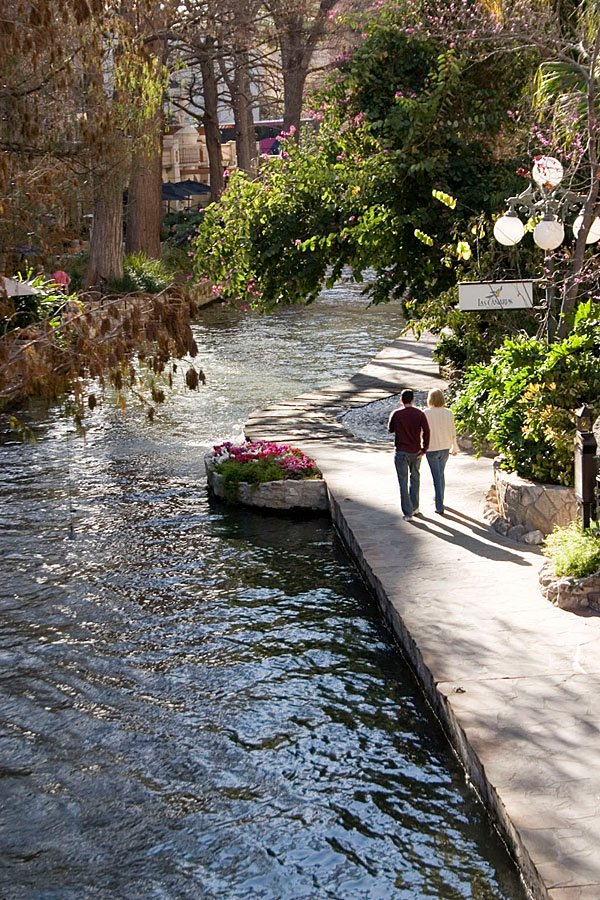
San Antonio is the most historically textured city in Texas — a place where Spanish colonial missions, Mexican cultural heritage, German immigrant Hill Country influence, and the modern military city (five major military installations) have layered into something genuinely distinctive. The Alamo, the most visited historic site in Texas, sits in the heart of downtown — a former Spanish mission and the site of the legendary 1836 battle that became the founding myth of Texas independence. The San Antonio Missions National Historical Park preserves four additional missions (Concepción, San José, San Juan, and Espada) along the San Antonio River — a UNESCO World Heritage Site that most visitors to the Alamo miss entirely. The River Walk (Paseo del Rio), a 15-mile linear park along the channelized San Antonio River, provides the social heart of the city — restaurants, bars, and hotels line both banks in the central section, with quieter mission trail sections extending south.
Austin: Live Music Capital and Tech City
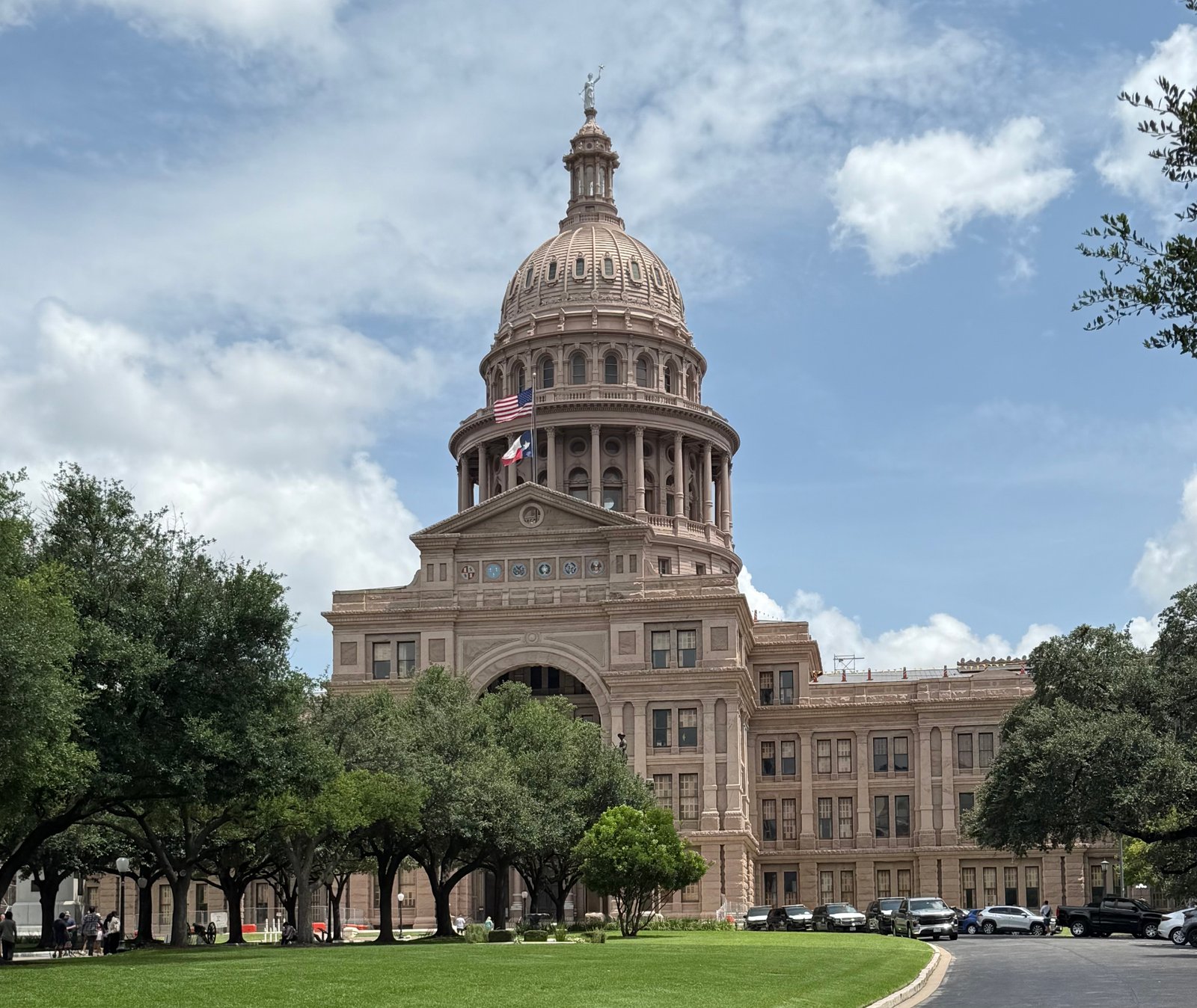
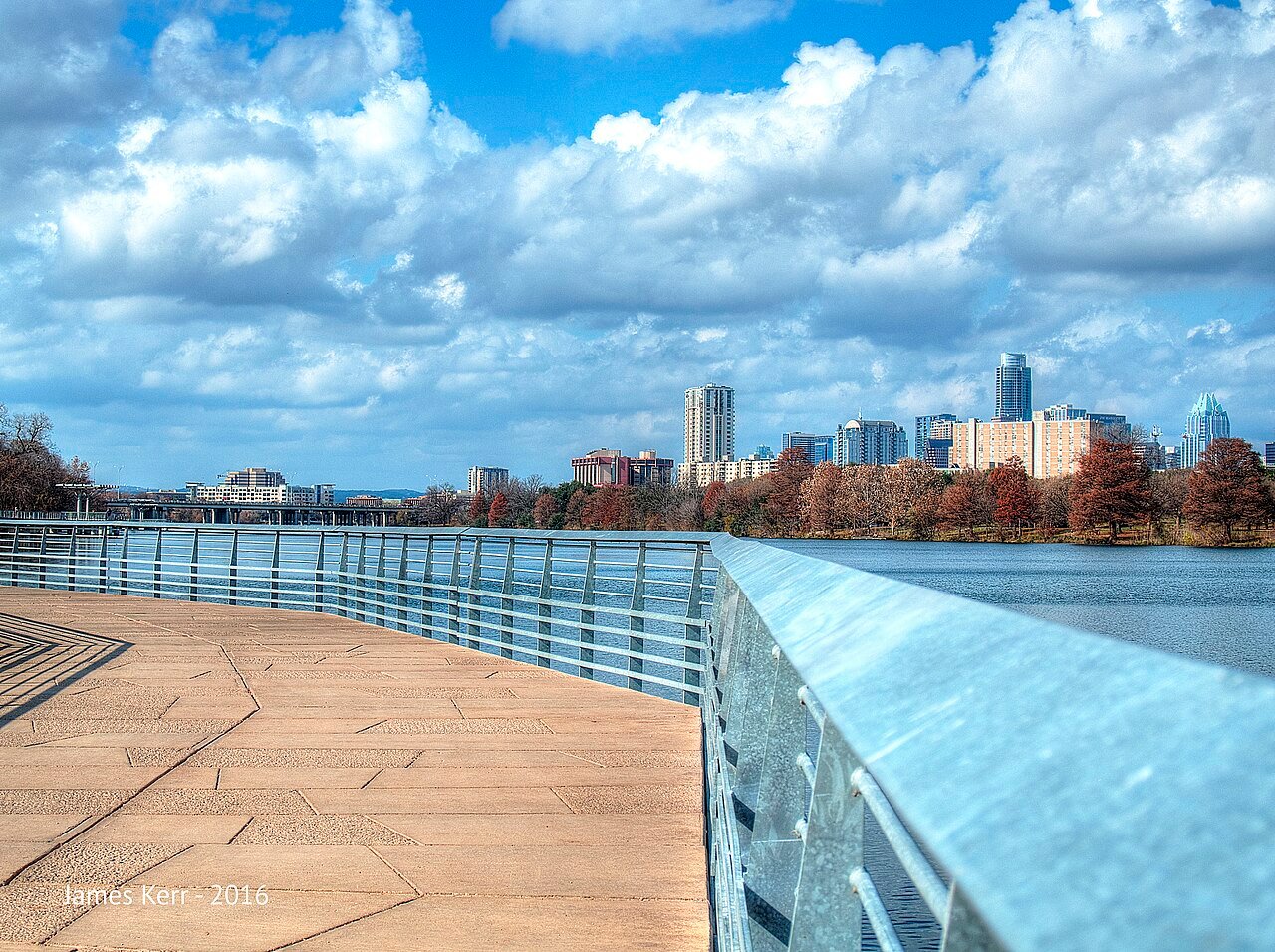
Austin’s transformation from a university town and state capital to one of the fastest-growing tech hubs in the United States has not diminished its defining character — it has complicated it. The Sixth Street entertainment district and the Red River Cultural District (the more authentic live music zone, with venues like Stubb’s Waller Creek Amphitheater, Hotel Vegas, and Continental Club) still deliver on the “Live Music Capital of the World” claim more convincingly than any comparable city. South by Southwest (SXSW, March) and Austin City Limits Music Festival (October) are among the most significant music events in North America. The Barton Springs Pool (a spring-fed natural swimming hole in Zilker Park, 68°F year-round) and the Lady Bird Lake hike-and-bike trail provide the outdoor infrastructure that defines Austin’s quality of life. The LBJ Presidential Library on the UT campus is the finest presidential library in the country.
Houston: The International City
Houston is the most underrated major American city for travelers — the most ethnically diverse large city in the United States (no racial majority group), home to the world’s leading medical complex (the Texas Medical Center employs 100,000+ people), the Space Center NASA visitor facility, and a restaurant scene that reflects the city’s extraordinary international diversity. The Museum District clusters 19 institutions within walking distance — the Houston Museum of Natural Science, the Menil Collection (one of the finest private art museums in the country, free admission), the Museum of Fine Arts Houston, and the Buffalo Bayou Park greenway all anchor a cultural infrastructure that most visitors don’t expect. Houston’s Montrose, Midtown, and Midtown Heights neighborhoods provide the urban residential character that the city’s sprawl reputation obscures.
Big Bend National Park: Texas’s Wild Heart
Big Bend National Park — 801,163 acres of Chihuahuan Desert, Chisos Mountains, and Rio Grande canyons in extreme southwest Texas — is the most remote and wild of the major lower-48 national parks. The drive from San Antonio (7 hours) or Austin (7.5 hours) is long but rewards with a landscape of extraordinary geological drama: the Santa Elena Canyon (walk between 1,500-foot limestone walls where the Rio Grande cuts through), the Chisos Basin (a highland enclave at 5,400 feet surrounded by desert), and the night sky (Gold Tier International Dark Sky Park with essentially no light pollution) collectively produce one of the finest national park experiences in the country. Big Bend draws only 500,000 visitors annually compared to the Smoky Mountains’ 12 million — the solitude is part of the experience.
Texas Hill Country
The Hill Country, the limestone plateau northwest of San Antonio and west of Austin, is Texas’s most loved landscape — a terrain of clear spring-fed rivers, wildflowers (bluebonnets and Indian paintbrush carpet the roadsides in March and April), German immigrant towns (Fredericksburg, New Braunfels, Boerne), and an increasingly excellent wine industry. The Guadalupe and Frio Rivers provide Texas’s most popular swimming and tubing destinations in summer. Enchanted Rock State Natural Area (a massive pink granite dome rising 425 feet above the surrounding hill country) is the finest single geological attraction in the region. The drive from Austin to Fredericksburg on US-290 through Johnson City and the LBJ Ranch is one of the finest scenic drives in the state.
Practical Information
Dallas-Fort Worth International (DFW) and Houston’s George Bush Intercontinental (IAH) are the state’s major international hubs; Austin-Bergstrom (AUS), San Antonio (SAT), and Houston Hobby (HOU) serve regional and domestic traffic. Texas is car-centric — public transit is limited in even the largest cities, and a rental car is essential for any destination beyond the urban cores. Summer heat is severe across the state (Dallas averages 37 days above 100°F; San Antonio averages 25 days), with peak temperatures in July and August reaching 108°F in some years. The best travel seasons are spring (March–May, wildflower season) and fall (October–November, after summer heat breaks).