
Outdoor Activities in Wyoming 2026: Yellowstone Wildlife, Grand Teton Climbing, and Wind River Wilderness
Wyoming’s outdoor recreation operates at a scale and wildness that the lower 48 states rarely match — 49 million acres of federal public land (Bureau of Land Management and National Forest, not counting the national parks), two of the most significant national parks in the world, the most complete bison and wolf populations in the contiguous United States, and 13 mountain ranges including the Wind River Range (the longest in the Rockies, with more 13,000-foot peaks than any range in Wyoming). The outdoor lifestyle here is not curated adventure tourism but genuine engagement with a landscape that has not been significantly tamed — Yellowstone’s hydrothermal ground can collapse without warning, the Wind Rivers’ weather can turn from clear to life-threatening in 30 minutes, and the grizzly bear population in the greater Yellowstone ecosystem requires the same awareness that hikers in Alaska maintain. Wyoming outdoor recreation is extraordinary, and it requires appropriate respect and preparation.
Jackson Hole Mountain Resort: America’s Best Ski Terrain
Jackson Hole Mountain Resort is consistently ranked the finest ski resort in the United States by skiers who prioritize vertical drop, terrain challenge, and snow quality over groomed intermediate cruising and resort amenity:
- Vertical drop: 4,139 feet — the largest in the United States
- Terrain: 2,500+ acres; 50% expert designation; Corbets Couloir (one of the most famous expert runs in North America, requiring a 10–15 foot air entry) represents the resort’s character well
- Annual snowfall: 459 inches average; a combination of continental and maritime storm systems
- Season: Thanksgiving through early April; the Aerial Tram (the “Big Red”) accesses the top of Rendezvous Mountain year-round for hiking in summer
- Backcountry access: Gates throughout the resort perimeter provide access to Teton Backcountry terrain for qualified skiers and snowboarders; the Teton Backcountry is among the most serious and consequential terrain in North America
,_Old_Faithful_Geyser_--_2022_--_2599.jpg?width=1200)
Yellowstone Wildlife: The American Serengeti
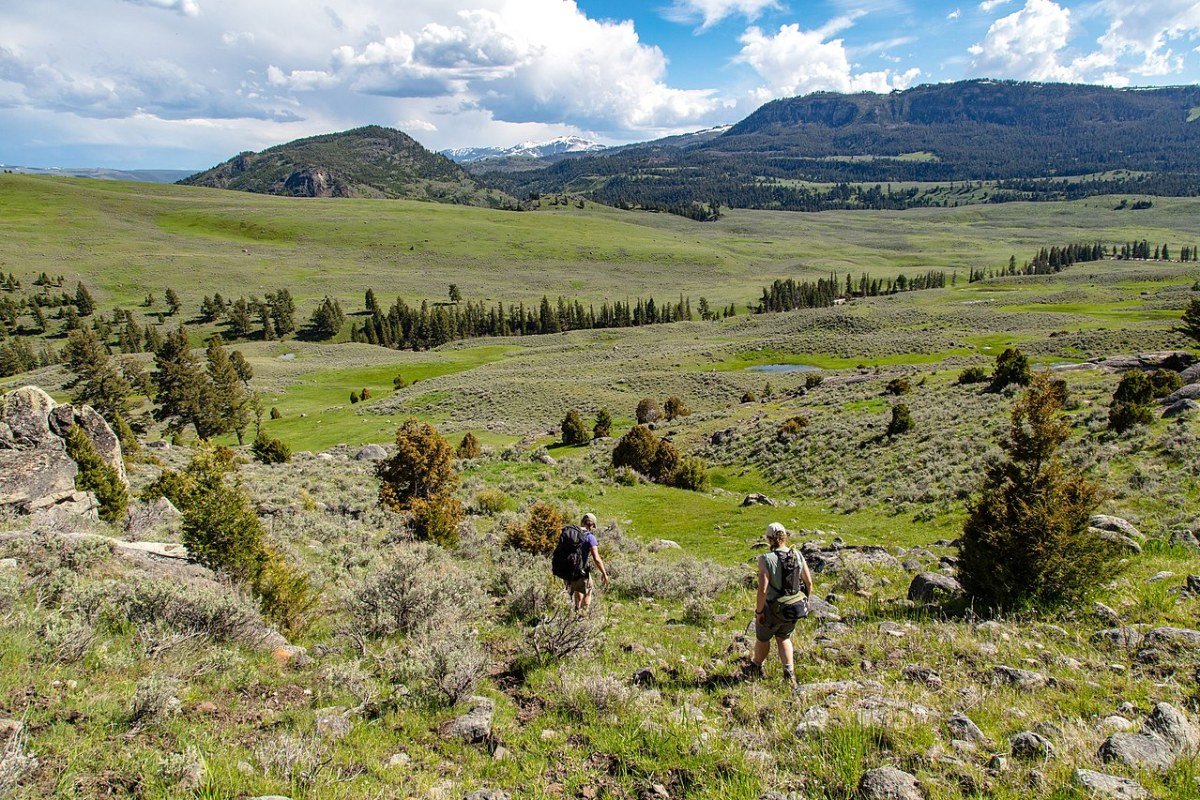
Yellowstone National Park’s Lamar Valley provides the most reliable large mammal wildlife viewing in North America — a combination of resident bison herds, restored wolf packs, grizzly and black bears, pronghorn, elk, and bighorn sheep in a valley setting that allows extended observation from road pullouts:
- Bison: Approximately 5,000 bison in the greater Yellowstone ecosystem; Lamar Valley and Hayden Valley provide the most reliable viewing; bison are the park’s most dangerous animal for the many visitors who approach too closely
- Wolves: The Lamar Canyon Pack and other Yellowstone wolf packs are the most studied in the world; Lamar Valley is the primary viewing corridor; dawn and dusk are the most active periods; Yellowstone Wolf Project volunteers provide viewing assistance
- Grizzly bears: Approximately 700 grizzlies in the greater Yellowstone ecosystem; spring (post-hibernation, May–June) provides the most reliable viewing as bears seek food at lower elevations; the Yellowstone River’s Trout Lake corridor and Hayden Valley are prime viewing areas
- Birding: Yellowstone hosts nesting trumpeter swans, sandhill cranes, osprey, bald and golden eagles, and the Yellowstone cutthroat trout provides the prey base for the park’s raptors
Wind River Range: Wilderness Backpacking
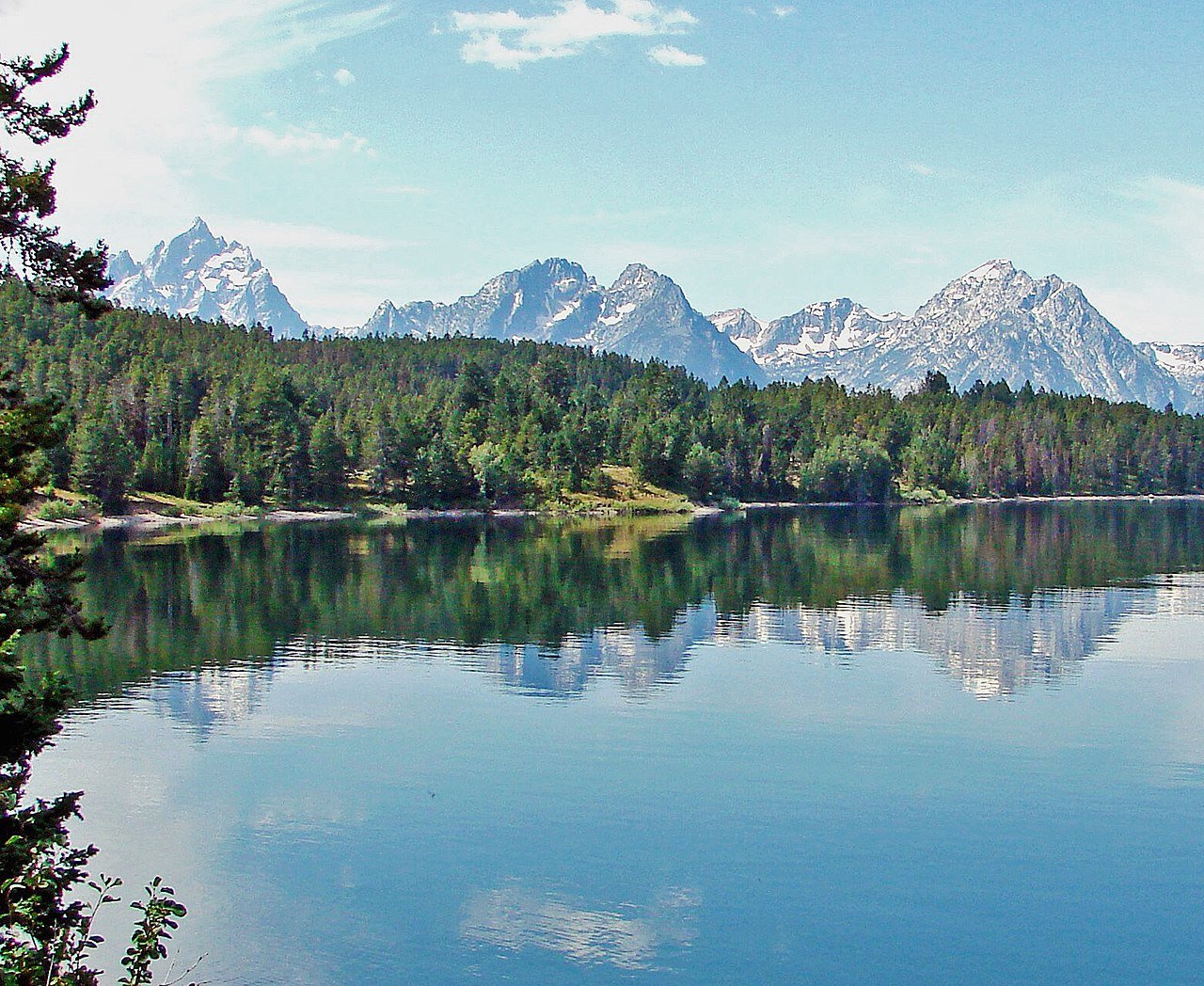
The Wind River Range, 100 miles of continuous wilderness in west-central Wyoming, provides the finest wilderness backpacking experience in the lower 48 states for households prepared for high-altitude, high-commitment adventure:
- Titcomb Basin: 35 miles round trip from the Green River Lakes trailhead (Pinedale side); a glaciated basin surrounded by peaks above 13,000 feet; one of the most spectacular wilderness destinations in the Rocky Mountains; no permit required
- Cirque of the Towers: 21 miles round trip from the Big Sandy Lodge trailhead; a ring of granite spires above Lonesome Lake; the most photographed wilderness destination in Wyoming; popular with climbers for its granite routes
- Fremont Trail (150 miles, north to south): The most ambitious single route in the Winds, traversing the range from Elkhart Park (Pinedale) to Big Sandy; 10–14 days for through-hikers
- Grizzly bear country: The Winds are grizzly country; bear canister requirement in the Bridger Wilderness; bear spray is essential equipment
Snake River and Wyoming Fishing
Wyoming’s cold-water fisheries are among the finest in the Rocky Mountains:
- Snake River (Jackson): Blue-ribbon cutthroat trout fishery through the Snake River Canyon; float fishing with experienced guides is the best access; the canyon’s Class III whitewater sections provide a combined rafting and fishing experience
- North Platte River (Casper): One of the finest tail-water trout fisheries in the Rocky Mountains; the Grey Reef and Miracle Mile sections (below Pathfinder and Alcova Reservoirs) produce trophy-sized brown and rainbow trout
- Bighorn River (near Sheridan): A world-class tail-water fishery below Yellowtail Dam in Montana, accessible from Sheridan; produces consistent large trout in unusually transparent water; one of the most technically rewarding fly-fishing destinations in the Rocky Mountain region
- Wind River (Lander area): Cutthroat, brown, and rainbow trout through a canyon that provides a wilderness river experience accessible without backcountry commitment
Vedauwoo and Wyoming Rock Climbing
Vedauwoo (pronounced “Vee-da-voo”), just 20 miles east of Laramie in the Medicine Bow National Forest, is one of the most distinctive climbing areas in the Rocky Mountains — a collection of massive Sherman granite formations rising from the high plains at 8,200 feet elevation, known for wide crack climbing that has challenged and developed generations of Rocky Mountain climbers. The rock’s coarse texture and the crack systems’ varied widths (from finger cracks to off-widths requiring full-body commitment) make Vedauwoo a training ground for crack technique unlike smoother granite areas. For Wyoming residents based in Laramie or Cheyenne, Vedauwoo provides world-class technical climbing accessible for a day trip. The nearby Sinks Canyon State Park (outside Lander) offers additional climbing on limestone walls above the Popo Agie River, where the river famously disappears into a cave and resurfaces 400 yards downstream as a pool filled with enormous trout.