
New Hampshire Travel Guide 2026: White Mountains, Lakes Region, and the Seacoast
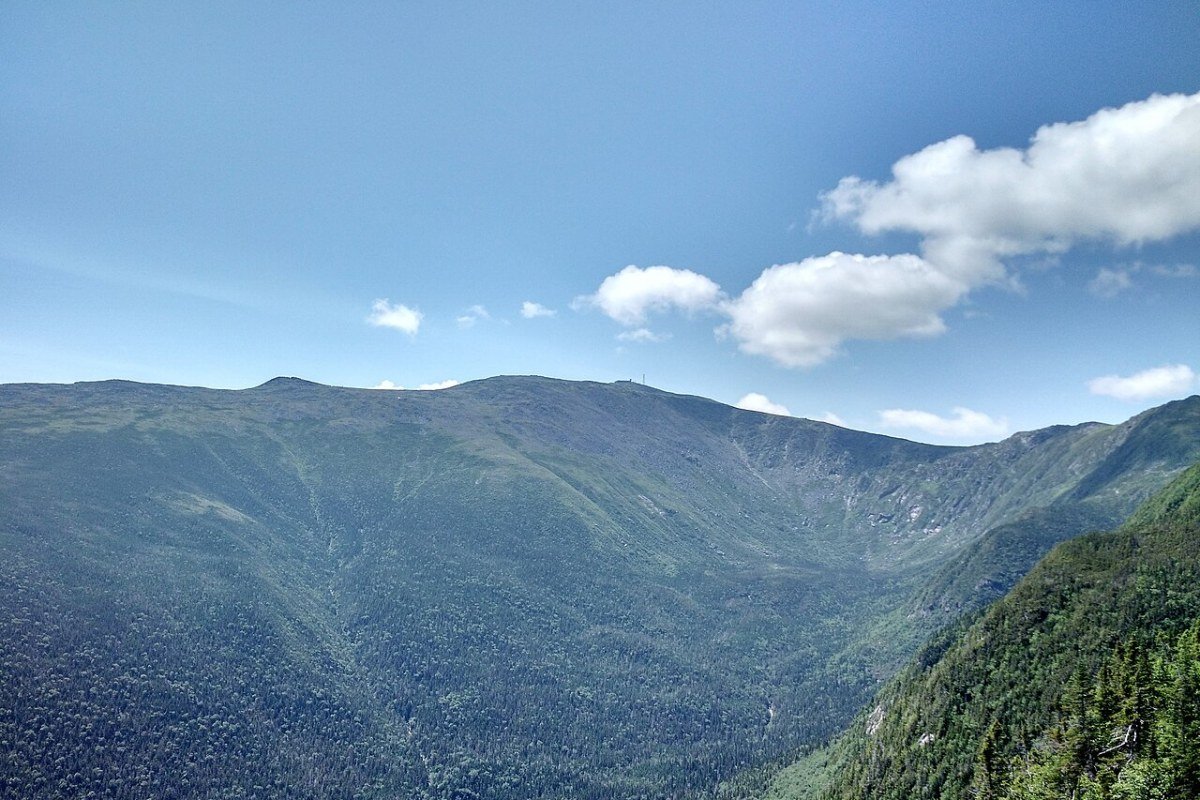
New Hampshire compresses an extraordinary range of New England landscapes into 9,349 square miles — the White Mountains in the north, where Mount Washington holds the record for the highest wind speed ever recorded at a surface weather station (231 mph in 1934) and where the Presidential Range dominates a landscape of glacially carved valleys and boreal forests; the Lakes Region in the center, where Lake Winnipesaukee and its 253 miles of shoreline provide the state’s most beloved summer recreation; and the brief but beautiful Seacoast in the east, where 18 miles of Atlantic coastline between Massachusetts and Maine contains one of New England’s finest beaches at Hampton Beach and the colonial architecture of Portsmouth, one of the most historically intact colonial port cities in the country. The state’s “Live Free or Die” motto is not merely a slogan — New Hampshire’s fierce commitment to individual liberty (no income tax, no sales tax, some of the most permissive gun laws in the nation) has shaped a culture of self-reliance and contrarian independence that colors every interaction with the landscape and the people.
The White Mountains: New England’s Alpine Playground
The White Mountains — the highest range in the northeastern United States — are New Hampshire’s defining natural feature and one of the most accessible alpine environments in the country, combining genuine backcountry wilderness with the infrastructure of a century of recreational development (the Appalachian Mountain Club has maintained huts and trails in the Whites since 1876). Franconia Notch State Park, the most visited destination in the range, concentrates the White Mountains’ most spectacular accessible scenery in a single valley: Cannon Mountain (where New Hampshire’s first aerial tramway opened in 1938), Echo Lake, the Basin (a glacially polished granite pothole in Franconia Brook), the Flume Gorge (an 800-foot-long natural gorge through 180-million-year-old Conway granite), and the Franconia Ridge Loop — the finest ridge hike in New Hampshire, a 8.9-mile circuit that traverses the exposed ridge between Little Haystack and Mount Lincoln at above-treeline elevations with views across the Presidential Range.
Crawford Notch, the next valley east of Franconia Notch along US Highway 302, provides access to the presidential Range’s western approach — the Ammonoosuc Ravine Trail climbs to the AMC’s Lakes of the Clouds hut, the highest staffed backcountry hut in the eastern US at 5,012 feet, before the final exposed ridge walk to Mount Washington’s summit. The Mount Washington Auto Road (8 miles of switchbacks from the base in Pinkham Notch to the 6,288-foot summit) provides vehicle access to the summit, where the Mount Washington Observatory operates the world’s most exposed weather station. The summit experience — wind, fog, and the view across the Presidential Range on clear days — is worth the steep toll regardless of whether you ascend by car, cog railway, or your own feet. The AMC hut system (eight huts spaced a day’s hike apart through the White Mountains) provides a backcountry lodging infrastructure that makes multi-day traverses of the range accessible without the weight of a full camping kit.

Portsmouth: New England’s Most Livable Small City
Portsmouth, New Hampshire’s largest seacoast city with 22,000 residents, consistently earns recognition as one of the finest small cities in New England — a colonial port city that has preserved its 17th and 18th-century architectural heritage while developing a restaurant scene, arts infrastructure, and quality of life that draws professionals from Boston and beyond. The city’s compact, walkable downtown — centered on Market Square, surrounded by Federal and Georgian brick buildings, and extending to the commercial piers of the working waterfront — contains a concentration of independent restaurants, craft breweries, and arts venues that is remarkable for a city of its size. Strawbery Banke Museum (the official spelling, referencing the colony’s original name from the wild strawberries that grew on the riverbank) is a 10-acre outdoor history museum in the South End that preserves and interprets buildings from the city’s 1630s founding through the 20th century, with costumed interpreters and restored interiors across 35 historic structures.
The Portsmouth Brewery (one of the earliest craft breweries in New England, opened 1991), the Music Hall (a restored 1878 Victorian theater that hosts touring national acts in a 900-seat intimate setting), and the series of independent restaurants in the downtown core — Black Trumpet, Moxy, Cure, and others that have established Portsmouth on the New England culinary map — make the city a genuine destination beyond its historical attractions. The short drive to Hampton Beach and Odiorne Point State Park (the site of New Hampshire’s first European settlement, now a state park with coastal ecology trails) makes Portsmouth the base for the Seacoast’s best combination of culture and nature.
The Kancamagus Highway and Fall Foliage
The Kancamagus Highway — New Hampshire Route 112, running 35 miles from Conway to Lincoln through the heart of the White Mountain National Forest — is one of the most spectacular fall foliage drives in New England, and New England’s fall foliage is itself one of the most spectacular in the world. The highway’s route through the Saco River valley, over the Kancamagus Pass (2,855 feet), and into the Swift River valley provides roadside access to the White Mountains’ hardwood forest transformation — the sugar maples, yellow birches, American beeches, and red maples of the transition zone between deciduous and boreal forest turn to an extraordinary mosaic of red, orange, yellow, and gold in late September and early October that has no equivalent in any other season or any comparable drive in the eastern United States. The Sabbaday Falls trail (0.4 miles from a roadside pullout) leads to a three-tiered waterfall through a flume of Conway granite; the Lower Falls (a swimming hole with polished granite bedrock) and Rocky Gorge are additional roadside stops accessible without significant hiking.
Lake Winnipesaukee and the Lakes Region
Lake Winnipesaukee, the largest lake in New Hampshire at 72 square miles and 21 miles long with 253 miles of irregular shoreline, is the central attraction of the Lakes Region — a concentration of communities, marinas, campgrounds, and waterfront restaurants around the lake that has been New Hampshire’s primary summer recreation destination for generations of New England families. Wolfeboro, on the eastern shore, claims the distinction of being “America’s oldest summer resort” (the Governor John Wentworth summer estate here dates to 1769) and is the most charming of the lake’s communities — a walkable Main Street of independent shops, galleries, and restaurants that manages to feel authentic rather than touristic despite decades of summer traffic. Meredith and Center Harbor on the western shore provide marina access and are the departure point for the M/S Mount Washington, the 230-foot cruise ship that has operated excursions on Winnipesaukee since 1940.
Weirs Beach, the lake’s most commercial stretch, provides the amusements, waterslides, and lakefront boardwalk entertainment that has made it the family-friendly center of the Lakes Region summer experience — and the venue for the annual Laconia Motorcycle Week (held in June, one of the oldest motorcycle rallies in the country, drawing 300,000 visitors to the region). Castle in the Clouds, a 5,500-acre mountain estate in Moultonborough on the lake’s northern shore, offers hiking trails with panoramic Winnipesaukee views and a castle-style Arts and Crafts mansion built in 1914 that provides guided tours.
Dartmouth and the Connecticut River Valley
The upper Connecticut River valley in western New Hampshire — the region anchored by Hanover, home of Dartmouth College — provides a distinctly different New Hampshire experience from the White Mountains’ outdoor recreation culture. Dartmouth’s campus, a collection of Georgian and Federal buildings around a classic New England green, contains the Hood Museum of Art (one of the finest college art museums in the country, with collections spanning 5,000 years of human artistic production), the Hopkins Center for the Arts (a performing arts venue designed by Wallace Harrison, architect of Lincoln Center), and the intellectual energy of one of the oldest universities in the country. The surrounding communities of Lebanon, Enfield (where a Shaker community operated from 1793 to 1923, and whose Great Stone Dwelling — the largest Shaker building ever constructed — is now a museum and inn), and Cornish (where sculptor Augustus Saint-Gaudens maintained his studio and which is now a National Historic Site) create a cultural landscape that rivals the state’s natural attractions for visitors whose interests extend beyond the mountains.