


Best Places to Live in North Carolina 2026: Mountains to Coast
North Carolina’s most desirable residential communities reflect the state’s geographic range — Asheville provides the mountain lifestyle that creative and outdoor-oriented households seek; the Research Triangle’s Durham and Chapel Hill neighborhoods offer urban intellectual character; Raleigh’s suburbs provide the school quality and new-construction amenities that attract young families; Charlotte’s Dilworth and Myers Park neighborhoods deliver Southern urban character for financial sector professionals; and the coastal communities of the Crystal Coast and southern Outer Banks offer year-round beach access for households willing to accept the trade-offs of distance from major metropolitan employment. The state’s growth trajectory has created residential communities of genuine quality across this range.
1. Asheville — The Mountain City
Asheville, North Carolina’s most nationally discussed small city, has attracted more attention per resident than perhaps any other American community of its size — articles in the New York Times, Outside Magazine, and Southern Living have documented its transformation from industrial decline to arts renaissance with a frequency that has made Asheville’s story familiar to Americans who have never visited. The reality matches the reputation: the River Arts District’s concentration of working artists in repurposed industrial buildings along the French Broad River is genuine and accessible (self-guided studio tours allow direct engagement with artists and purchase without gallery markup); the downtown’s independent restaurants and cocktail bars (Curate for Spanish tapas, Buxton Hall Barbecue for whole-hog tradition, the Imperial Life for cocktails) provide dining quality that rivals much larger cities; and the music scene (the Orange Peel’s national booking, the Grey Eagle’s Americana focus, and the endemic street music on Lexington Avenue) gives the city a musical energy that sustains year-round.
Asheville’s housing market has been transformed by its national reputation — median single-family home prices of $420,000–$620,000 for desirable in-town properties, with the West Asheville neighborhood (historically more affordable, now rapidly gentrifying) running $380,000–$550,000 and the more established neighborhoods of the North Asheville ridge and the Kenilworth and Kenilworth Lake Road area reaching $500,000–$800,000. The surrounding communities of Weaverville, Black Mountain, and Woodfin provide alternatives at $280,000–$420,000 for households seeking Asheville proximity without the full urban premium. Property taxes in Buncombe County are below national averages, partially offsetting the appreciation-driven purchase price increase.
2. Durham — The Bull City’s Renaissance
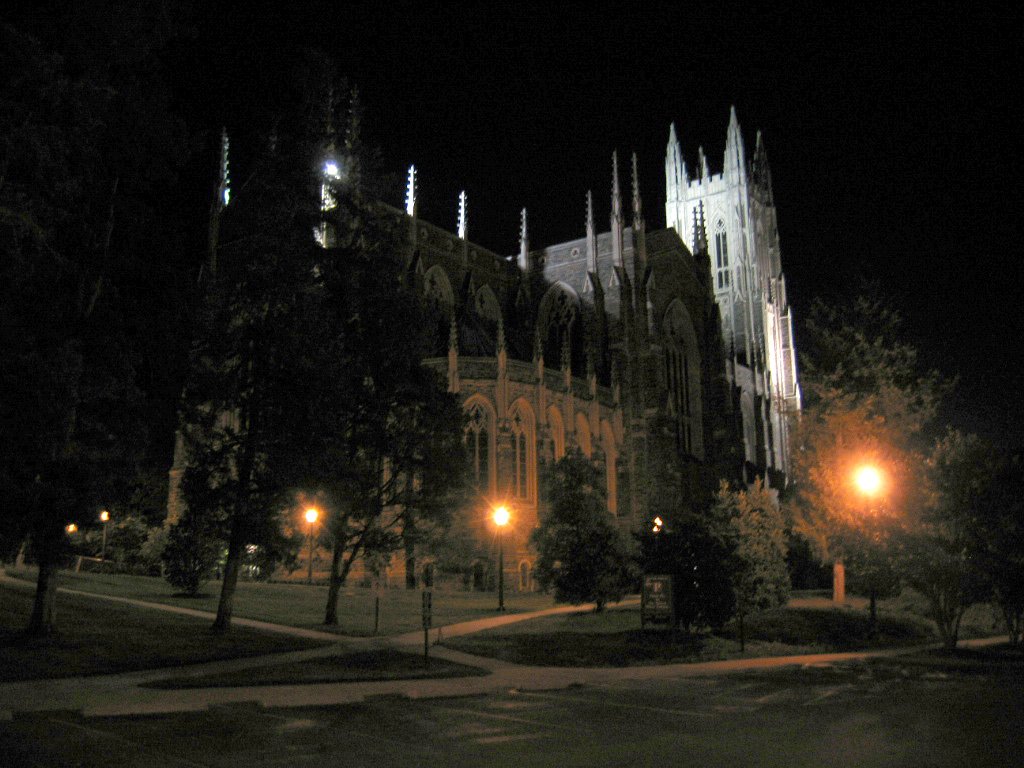
Durham, the Research Triangle’s most creatively charged city, has undergone a cultural transformation over three decades from tobacco manufacturing city in decline to one of the most interesting mid-sized cities in the American South. The American Tobacco Historic District (the former Bull Durham factory complex along West Main Street) now houses restaurants, offices, the Durham Bulls baseball stadium, and cultural venues that anchor the city’s downtown revival. The 9th Street District and Ninth Street between Broad and Perry — Durham’s most walkable commercial corridor — provides the independent bookshops, coffee houses, and restaurants that define the character of a university-adjacent community. Duke University’s East Campus (the Georgian Revival quadrangle where freshmen live) and West Campus (the Gothic stone Duke Chapel and the Sarah P. Duke Gardens) provide architectural grandeur and cultural programming within a short walk of the 9th Street corridor.
Durham’s most desirable neighborhoods — Trinity Park (historic early-20th-century residential streets adjacent to Duke’s East Campus, with bungalows and Craftsman homes from the tobacco prosperity era), Watts-Hillandale (a diverse neighborhood of Victorian and early-20th-century homes north of downtown), and Old West Durham (the gentrifying neighborhood along West Club Boulevard adjacent to the Ninth Street district) — provide the urban residential character that the city’s creative and academic community seeks. Median home prices in these neighborhoods run $350,000–$550,000; the less developed areas of south and east Durham remain significantly more affordable at $200,000–$320,000, attracting households whose equity or income does not support the premium neighborhoods.

3. North Raleigh — The Family Suburb
North Raleigh — the residential communities north of I-540 in Wake County, encompassing the cities of North Raleigh proper, Wake Forest, Rolesville, and the northern portions of Cary and Apex — provides the Research Triangle’s premier family-oriented suburban environment. The combination of high-performing Wake County public schools (the Wake County School District’s magnet program and specialized school options provide school choice within a large district that performs well above state averages), new-construction housing inventory from major national builders (Ryan, Pulte, and Toll Brothers all have active communities in the North Raleigh corridor), community infrastructure (greenway trail systems, community recreation centers, and shopping centers), and proximity to Research Triangle Park and the major Raleigh employment centers creates the suburban package that young families with school-age children seek.
Housing in the North Raleigh suburban corridor runs $350,000–$520,000 for new construction single-family homes in communities with good school assignments; established neighborhoods in North Raleigh proper (the Brookhaven, Brentwood, and Strickland Road corridors) show $380,000–$560,000 for mature tree-lined streets with larger lots and older home sizes. The Cary community — often cited as one of the safest and most livable cities in the United States — provides similar character immediately west of Raleigh at comparable prices, with the additional advantage of Cary’s extensive greenway system and the American Tobacco Trail access.
4. Chapel Hill — The University Enclave
Chapel Hill, home of the University of North Carolina’s flagship campus and the ACC’s first basketball program, provides the Triangle’s most traditional college-town residential experience — a walkable downtown (the East Franklin Street corridor and the Rosemary Street arts district) surrounded by historic neighborhoods of mid-20th-century residential character that house faculty, physicians, and established professionals who value the university’s cultural amenities and the town’s small-scale commercial character over the more suburban environments of Cary or North Raleigh. The Ackland Art Museum (the UNC campus museum with a significant permanent collection), the Playmakers Repertory Company, and the dean of American architecture Paul Rudolph’s Esherick-designed campus buildings add cultural texture to the residential quality.
Chapel Hill’s housing costs are the highest in the Triangle for urban character — single-family homes in the walkable neighborhoods near downtown (Gimghoul, Battle Park, Mason Farm Road) run $500,000–$800,000, with the most desirable historic properties exceeding $1 million. The adjacent community of Carrboro provides modestly lower prices ($380,000–$580,000) with a more progressive political culture, independent arts scene, and walkable commercial district that competes directly with Chapel Hill’s own Franklin Street for the creative community’s loyalty.
5. Wilmington — The Coastal City
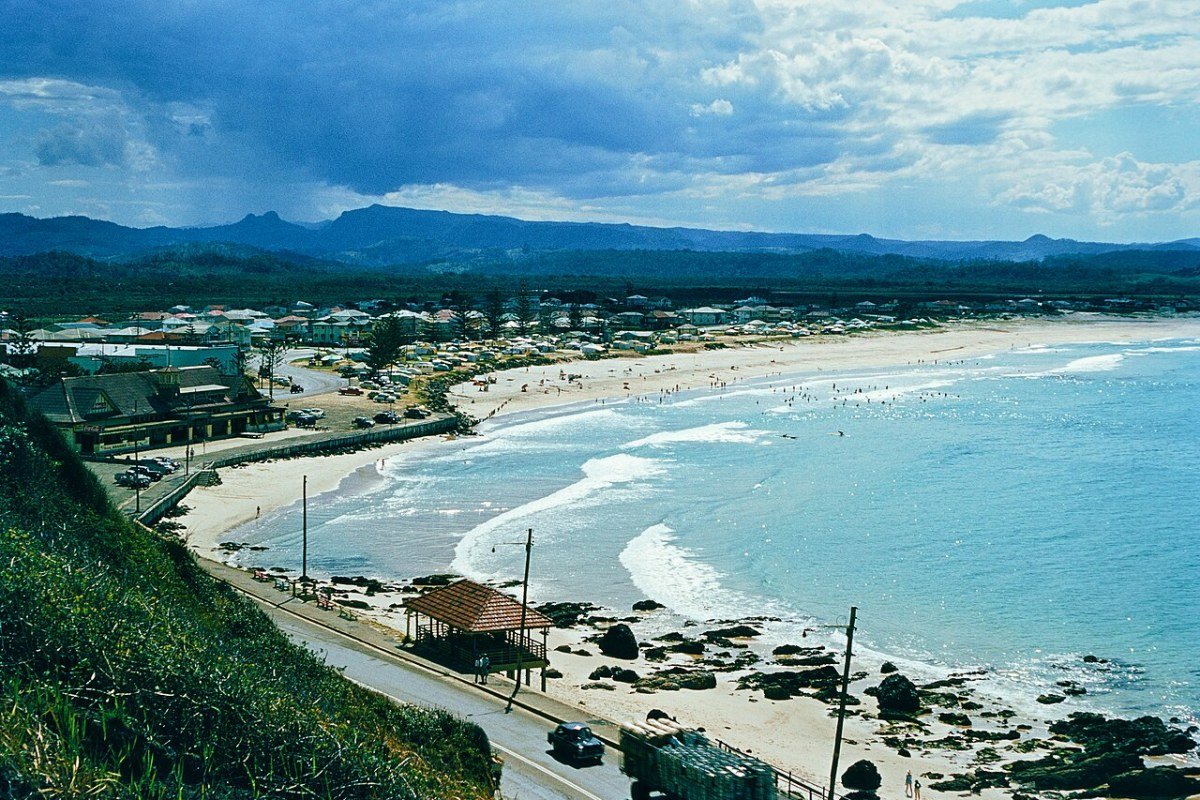
Wilmington, North Carolina’s largest coastal city with 125,000 residents at the mouth of the Cape Fear River, provides the state’s most complete coastal urban experience — a historic downtown (the Riverwalk along the Cape Fear, Chestnut Street’s antebellum commercial architecture, and the battleship North Carolina moored across the river as a museum) combined with beach access (Wrightsville Beach is 10 miles east; Carolina Beach and Kure Beach are 15 miles south), a growing film industry presence (EUE/Screen Gems Studios makes Wilmington the second-largest film production city in the eastern United States), and the University of North Carolina at Wilmington’s intellectual community. Median home prices of $310,000–$460,000 for desirable in-town and beach-proximity neighborhoods make Wilmington significantly more affordable than comparable coastal cities in South Carolina or Virginia, with the beach access and port city character that provides the coastal lifestyle at reasonable cost.