
Best Places to Live in Oregon 2026: Portland, Bend, and the Willamette Valley
Oregon’s residential landscape is dominated by the Portland metro’s diversity of neighborhood characters — from the walkable urban density of the Pearl District and close-in eastside neighborhoods to the established tree-lined streets of the west hills to the suburban communities of the Washington County tech corridor (Beaverton, Hillsboro, where Nike and Intel anchor major employment). Beyond Portland, Bend’s mountain-town character has made it the most aspirational mid-sized city in the Pacific Northwest for households seeking outdoor access and small-city amenity, while Eugene’s university character (University of Oregon) and the Willamette Valley’s wine culture provide alternative residential models. Oregon’s housing costs have risen substantially but remain lower than California equivalents, and the state’s combination of public land access, beach ownership law, and urban amenity creates a quality of life that attracts and retains residents across a wide range of household profiles.
1. Southeast Portland — The Neighborhood City
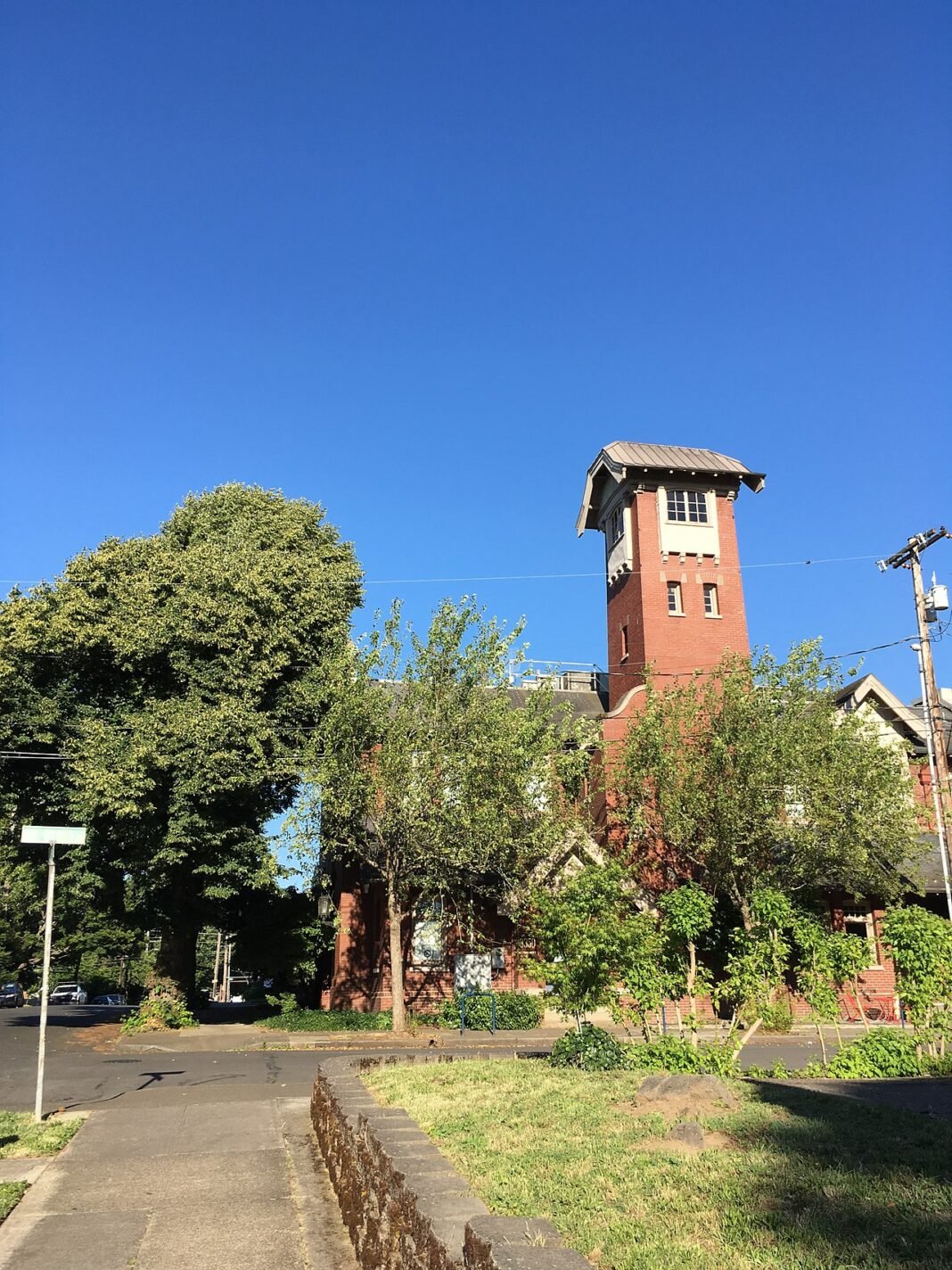
Southeast Portland — encompassing the neighborhoods of Hawthorne, Belmont, Division, Clinton, Sellwood, and Woodstock — is the city’s most distinctive residential territory: a dense, walkable, tree-lined landscape of craftsman bungalows and Victorian houses on streets thick with independent bookstores, coffee roasters, farm-to-table restaurants, and the particular Portland culture of outdoor orientation and creative enterprise. The Division Street restaurant corridor has been called one of the best restaurant streets in the United States, and the Hawthorne neighborhood’s commercial district provides the independent retail and cultural density that drives Portland’s reputation. The streetcar and light rail connections to downtown make car-free living genuinely viable for households with downtown or Pearl District employment. Housing runs $500,000–$750,000 for renovated single-family homes in the most desirable blocks, with rental options at $1,400–$1,800 for well-located one-bedroom units.
2. Bend — Mountain Town Character
Bend is the most sought-after mid-sized city in Oregon for households seeking a specific combination: mountain access (Mount Bachelor ski area is 22 miles from downtown; the Three Sisters Wilderness is accessible from trailheads within the city limits), high desert sun (far more sunshine than the west side of the Cascades), and genuine small-city amenity (the Old Mill District’s restaurants and retail, the Drake Park riverfront, the local brewery culture that makes Bend one of the highest concentrations of craft breweries per capita in the United States). The city’s growth has been driven by remote workers, retirees, and equity-rich Portland and California transplants, and the resulting cultural investment — a thriving food scene, a performing arts center, strong cycling infrastructure — has made Bend a genuine city rather than a ski town that happens to have services. Housing runs $550,000–$700,000 for established neighborhoods, with newer construction on the east side available at $450,000–$600,000.
3. Eugene — The University and the Outdoors
Eugene, home to the University of Oregon and its 24,000 students, provides a university-city character that shapes both the cultural infrastructure and the economic landscape — a food co-op culture, a music and arts scene driven by student and faculty demand, and a running culture (Pre’s Trail along the Willamette River honors Steve Prefontaine, and the city’s track and field heritage makes Eugene the “Track Town USA” of American distance running). The proximity to the Oregon Coast (an hour west), the Cascade Range (an hour east), and the Willamette Valley wine country (immediately surrounding the city) gives Eugene outdoor access that few university towns in the country can match. Median home prices of $380,000–$420,000 represent genuine value for the cultural and recreational infrastructure available, and the university’s 24,000 students ensure a food, music, and retail scene that punches above the city’s 175,000-person population.
4. Lake Oswego / West Linn — Portland’s Premier Suburbs
Lake Oswego and West Linn, immediately south of Portland on the west bank of the Willamette River, represent the Portland metro’s most consistently affluent suburban communities — excellent school districts (Lake Oswego School District and West Linn-Wilsonville School District both rank among Oregon’s top performers), established neighborhood character with mature trees and generous lot sizes, and the Oswego Lake lakefront that gives Lake Oswego a resort quality unusual in suburban Oregon. The Clackamas River access in West Linn provides salmon fishing and rafting within 20 minutes of residential neighborhoods. Housing runs $650,000–$1M+ for the lakefront and premium neighborhoods, with more accessible inventory available farther from the lake at $500,000–$700,000.
5. Ashland — Southern Oregon Arts Town
Ashland, in the Rogue Valley of southern Oregon near the California border, has built one of the most distinctive small-city cultures in the Pacific Northwest around the Oregon Shakespeare Festival — an internationally recognized theater company that presents 11 or more productions annually in three venues and draws visitors from across the country for its nine-month season. The festival’s cultural gravity has supported a concentration of restaurants, galleries, and boutiques in Ashland’s compact downtown that is extraordinary for a city of 22,000. The Cascade Siskiyou National Monument and the Rogue River’s headwaters provide outdoor recreation access. Southern Oregon University anchors an academic presence. Median home prices of $420,000–$500,000 reflect Ashland’s cultural premium and the quality of life available in a genuinely walkable small city with four-season outdoor access.
6. Beaverton / Hillsboro — The Tech Suburb
Beaverton and Hillsboro, west of Portland in Washington County, form Oregon’s primary tech employment corridor — Nike’s world headquarters (25,000+ employees) in Beaverton and Intel’s massive campus (20,000+ employees) in Hillsboro anchor a concentration of tech employment that makes the west suburbs the most economically powerful part of the Portland metro. The Washington County suburban communities offer newer housing stock at $450,000–$650,000 in established neighborhoods, excellent school districts, and MAX light rail connections to Portland. For households with Washington County tech employment, the west suburbs provide a practical combination of short commutes and family-oriented infrastructure at prices below Portland’s close-in neighborhoods.
Making Your Decision
Choosing where to live in Oregon comes down to honestly matching your priorities with what each city and community genuinely delivers. Budget, career opportunities, access to outdoor recreation, climate preferences, and community character all weigh differently depending on your life stage and values — and no ranking can substitute for that personal assessment. The cities and towns profiled in this guide represent the strongest overall options, but Oregon has smaller communities that offer compelling alternatives for those willing to trade urban convenience for affordability, quieter living, or closer access to natural landscapes. If possible, spend at least a long weekend in your shortlisted communities before committing — the practical factors matter enormously, but so does the less quantifiable sense of whether a place simply feels right for where you are in life.