Colorado has posted some of the steepest cost-of-living increases of any US state over the past decade, driven by strong domestic in-migration, a booming technology and energy economy, and limited housing supply in the most sought-after Front Range communities. The state’s overall cost of living now runs roughly 8–12% above the national average, and across the Denver metro and mountain resort towns, the premium climbs substantially higher. Reading Colorado’s price structure means distinguishing among three very different worlds: the Front Range urban corridor, the high-altitude ski towns, and the rural Eastern Plains and Western Slope, where price points fall dramatically.
Housing: The Defining Cost Pressure
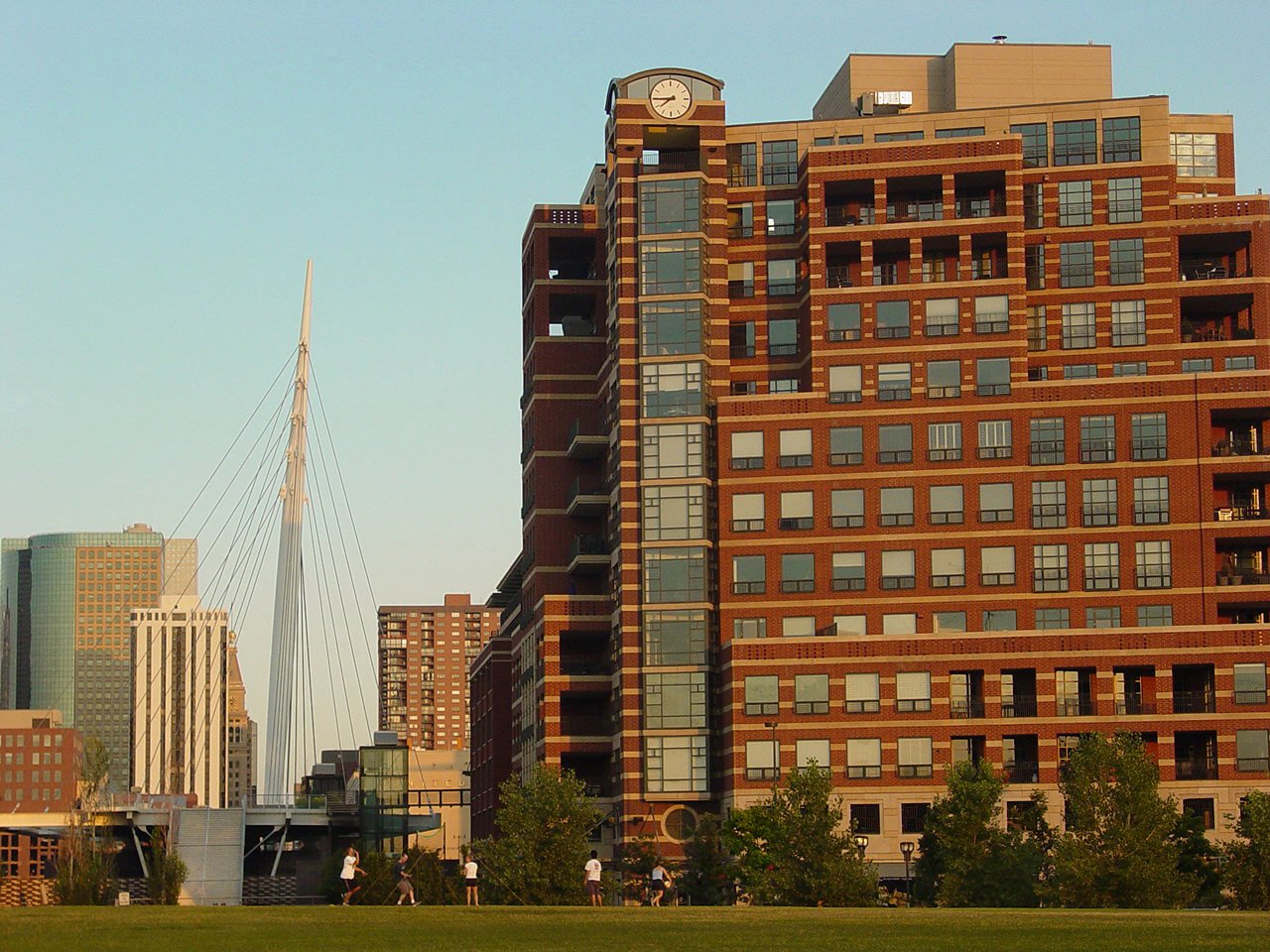
Colorado’s housing market has appreciated extraordinarily since 2015, accelerated by the pandemic-era migration wave and constrained by geographic limits (mountains, federal land) and regulatory barriers to new development. Denver metro median home prices have climbed from roughly $280,000 in 2015 to $550,000–$620,000 in early 2026 — a near-doubling in 11 years that has fundamentally changed the math of homeownership for middle-income Coloradans.

In Denver’s most coveted neighborhoods — Cherry Creek, Washington Park, Highlands, Congress Park — median prices run $700,000–$900,000. Suburban alternatives such as Aurora, Lakewood, and Thornton stay more reachable in the $430,000–$550,000 range. The northern Front Range (Fort Collins, Loveland) and the southern corridor (Colorado Springs, Pueblo) trade somewhat below Denver while keeping easy access to the mountains.
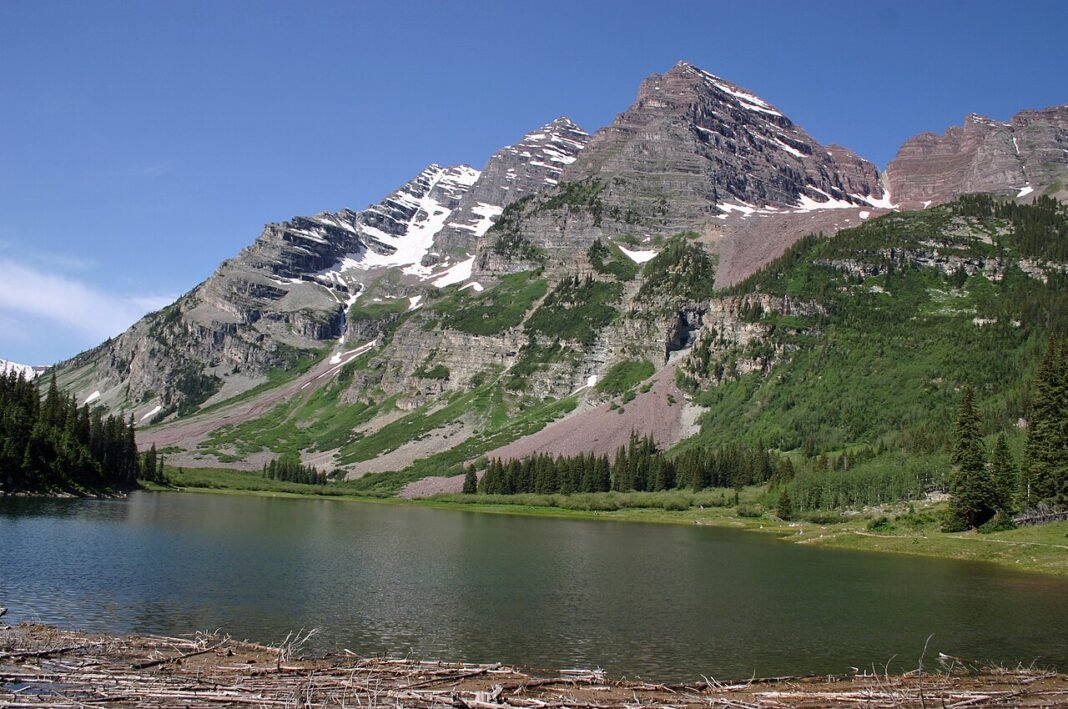
Ski-town real estate operates in a separate economy entirely. Aspen’s median single-family home price now approaches $13 million — among the priciest residential markets in the United States. Telluride, Vail, and Breckenridge medians run $1.5–$2.5 million. Even secondary resort towns like Steamboat Springs, Crested Butte, and Durango carry medians well above $800,000. Limited buildable land, short-term rental demand from visitors, and a wealthy buyer pool have produced markets that effectively shut out middle-income residents, pushing the workforce 30–60 miles down-valley.
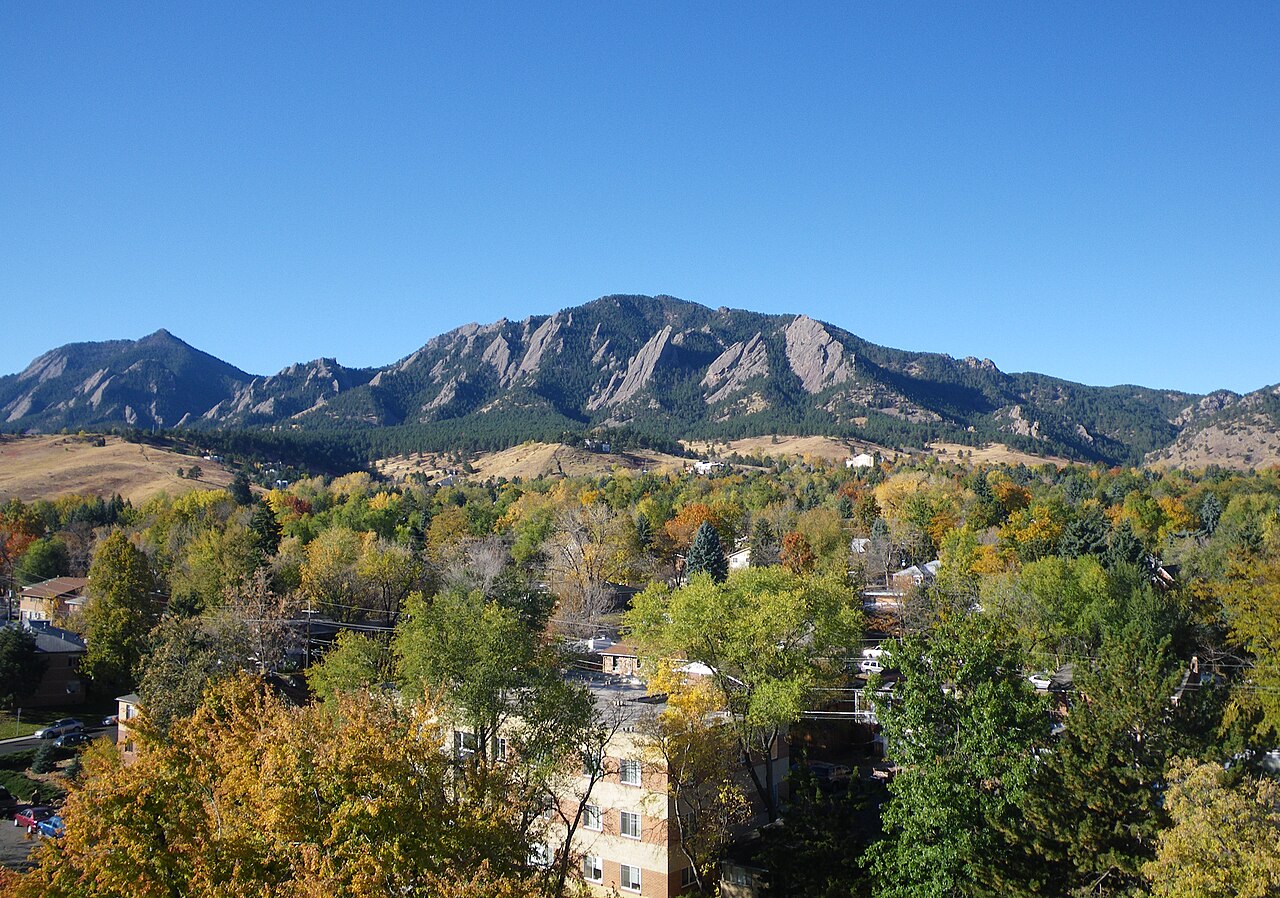
Rental markets mirror the same pressure. Denver one-bedrooms average $1,600–$2,000 per month. Fort Collins and Colorado Springs run $1,400–$1,700. Boulder — the state’s costliest mid-size city for housing — averages $2,000–$2,500 for a one-bedroom, lifted by University of Colorado enrollment demand and a tech sector that has turned Boulder into one of America’s densest biotech hubs outside Boston and San Francisco.
Taxes: Colorado’s Flat Tax Advantage
Colorado levies a flat income tax of 4.40% (reduced from 4.55% under Proposition 121, which voters approved in 2022). A flat structure means high earners pay the same percentage as everyone else — friendlier to professional-class residents than the steep progressive rates of California (13.3% top rate) or New York (10.9%). Colorado’s Taxpayer’s Bill of Rights (TABOR), a constitutional amendment requiring voter approval for tax increases, has kept the state’s fiscal structure relatively contained next to high-tax coastal states.
Sales tax in Colorado is layered: the state rate of 2.9% is low, but county and city add-ons push the combined rate to about 9.15% in Denver and into the 8–9% range across most other major cities. Property taxes have historically been light relative to home values — effective rates near 0.5–0.6% a year — but they are climbing. Voters repealed the Gallagher Amendment through Amendment B in 2020, ending the automatic mechanism that had ratcheted residential assessment rates down, and 2024–2025 reassessments have lifted bills in several counties as assessed values catch up to market appreciation.
Utilities and Daily Costs
Colorado’s high-altitude, semi-arid climate produces utility patterns unlike either the Northeast or the Sun Belt. Heating from November through March is meaningful — a Denver home might spend $150–$250 a month on gas heat during the cold stretch. Air conditioning runs cheaper than in Arizona or Texas thanks to the dry air and high elevation: Denver summers average 90–95°F in July, but low humidity makes the heat less punishing and trims AC demand.
The outdoor life Colorado markets so heavily carries embedded costs that newcomers tend to underestimate: ski passes (the Epic and Ikon passes run $700–$1,000 a year and are close to mandatory for serious skiers), gear maintenance, summer hiking and camping equipment, and the fuel and wear of reaching mountain recreation from the Front Range. These expenses are real and can add $2,000–$5,000 a year to the budget of an active resident.
Colorado’s Eastern Plains and Mesa Country: The Affordable Alternative
While the Front Range and the ski towns dominate Colorado’s residential conversation, the Eastern Plains and Western Slope offer cost structures far more reachable for households that prize space and outdoor access over urban amenities. Pueblo, 120 miles south of Denver, has a median home price under $250,000 and sits beside the Arkansas River’s renowned kayaking and fishing. Grand Junction, on the Western Slope, runs a median of $330,000–$380,000 with the Colorado National Monument and mountain biking on the Lunch Loops trail system right at the edge of town. These places draw remote workers, retirees, and outdoor-minded households who find Front Range pricing unworkable but still want Colorado’s wider lifestyle and its tax edge over neighboring states.
The Colorado Financial Reality
Colorado is genuinely pricier than the national average, yet the premium is easier to defend than California’s because the state delivers a better cost-to-quality ratio at the professional income levels that have fueled its growth. For a tech professional earning $130,000–$180,000 in Denver, the mix of a 4.40% flat income tax, outdoor recreation at the doorstep, a deep cultural scene, and housing that — while expensive — still sits well below Bay Area levels makes a compelling case. The strain shows at the median income level, where rising costs have sharply eroded the affordability that once made the state reachable for the working middle class.
Budgeting Practically for Colorado
Once the broad numbers are clear, the practical work is sorting the fixed costs from the ones you can actually move. Housing dominates almost every Colorado budget, and where you land changes the math more than any other single choice: a Pueblo or Grand Junction address can cut a mortgage in half against Cherry Creek or Boulder while keeping the mountains within an afternoon’s drive. From there the smaller lines compound — heating bills that swing with a Front Range winter, the fuel and passes that an outdoor habit quietly demands, the gap between a Denver one-bedroom and a Fort Collins one. Because Colorado markets shift faster than the annual cost-of-living surveys that track them, treat the figures here as a working baseline and pull current rents and sale prices for the exact town you’re weighing before you commit.
Frequently Asked Questions
Is Colorado expensive to live in?
Yes — Colorado’s cost of living runs roughly 8–12% above the national average, and significantly more in Denver and the mountain resort towns. Denver metro median home prices have risen from $280,000 in 2015 to $550,000–$620,000 in early 2026. That said, Colorado’s 4.40% flat income tax is far below high-cost rivals like California (13.3%) and New York (10.9%), which partly offsets the housing premium for higher earners.
What is the average rent in Colorado?
Denver one-bedroom apartments average $1,600–$2,000 per month. Fort Collins and Colorado Springs run $1,400–$1,700. Boulder is the state’s most expensive mid-size rental market at $2,000–$2,500 for a one-bedroom, driven by University of Colorado demand and a dense tech sector. Ski towns like Aspen, Vail, and Breckenridge price out most workforce renters, pushing employees to commute from communities 30–60 miles down-valley.
What is Colorado’s income tax rate?
Colorado levies a flat income tax of 4.40% on all income levels — one of the simpler and more competitive structures among states that tax income. Unlike California’s progressive system that tops out at 13.3%, Colorado’s flat rate means high earners pay the same percentage as middle earners. The state’s TABOR constitutional amendment also requires voter approval for any tax increase, putting a structural brake on fiscal expansion.
How much do mountain resort homes cost in Colorado?
Ski-town markets sit in a different universe. Aspen’s median single-family home price now approaches $13 million. Telluride, Vail, and Breckenridge run $1.5–$2.5 million. Even secondary resort towns like Steamboat Springs, Crested Butte, and Durango carry medians well above $800,000. Short-term rental demand, limited buildable land, and wealthy buyers have effectively shut middle-income residents out of living in the resort towns themselves.
Are there affordable areas in Colorado?
Yes — Colorado’s Eastern Plains and Western Slope offer dramatically lower costs. Pueblo, 120 miles south of Denver, has a median home price under $250,000 with access to renowned kayaking on the Arkansas River. Grand Junction on the Western Slope runs medians of $330,000–$380,000 with the Colorado National Monument at its edge. These areas attract remote workers and retirees who value Colorado’s lifestyle and tax structure but find Front Range pricing unsustainable.