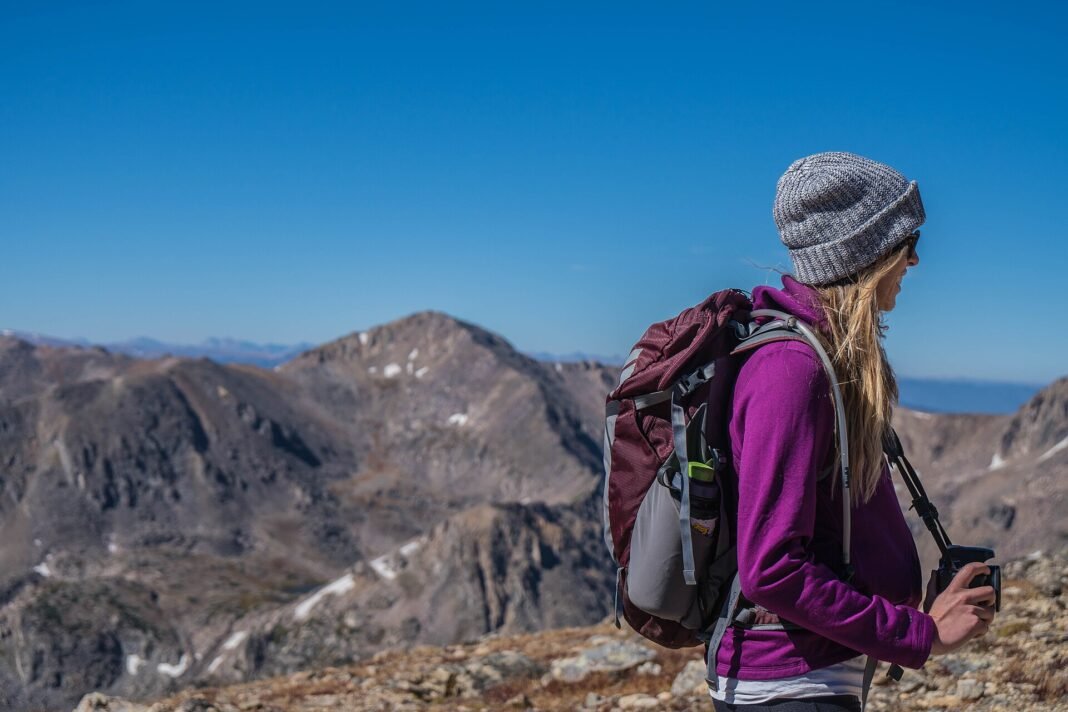
Solo travel is one of the most rewarding things you can do — the freedom to go where you want, when you want, at your own pace, is genuinely transformative. It’s also safer than the headlines suggest: millions of people travel solo every year, including people of all ages and backgrounds, and the vast majority have wonderful experiences. But being thoughtful about safety is part of being a good solo traveler. Here’s a practical guide.
Before You Leave
- Research your destination: Check your government’s travel advisory before you book. Register your trip with your embassy if you’re heading somewhere higher-risk — U.S. citizens can do this free through the State Department’s Smart Traveler Enrollment Program (STEP), which sends real-time alerts and helps the nearest embassy reach you in an emergency. Learn which neighborhoods are safer and which ones call for extra care.
- Share your itinerary: Leave a detailed plan with someone you trust at home — accommodation names and addresses, flight details, planned day trips. Check in on a regular schedule.
- Scan important documents: Passport, visa, insurance policy, bank cards. Store digital copies in email or cloud storage you can reach from any device. A thorough packing guide helps you organize the physical originals just as carefully.
- Get travel insurance: Non-negotiable for solo travelers — if you’re hospitalized abroad, you need someone (the insurer’s emergency line) to coordinate your care and contact your family. Our guide to travel insurance breaks down exactly which coverage matters.
Accommodation Safety
- Read recent reviews carefully — safety concerns are almost always mentioned in reviews if they exist.
- In budget accommodation, use the padlock on your locker (bring your own if uncertain).
- Note emergency exits when you check in.
- Use the door chain or bolt in addition to the key lock in hotel rooms.
- Be cautious about bringing new acquaintances back to your accommodation — meet people in public spaces first.
Day-to-Day Safety
- Look like you know where you’re going: Confidence is the best deterrent to opportunistic crime. Study your route before leaving the accommodation rather than stopping in the middle of the street to consult your phone.
- Blend in: Don’t wear expensive jewelry or carry obvious tourist items in areas with higher theft risk. Keep your camera in a bag rather than around your neck.
- Use official taxis or rideshare apps: In destinations where unofficial taxis are a concern, always use official cab stands, licensed taxis, or apps (Uber, Grab, Bolt) where the driver is registered and the trip is tracked.
- Night safety: Stick to well-lit, populated streets after dark. Use rideshare apps rather than walking long distances at night in unfamiliar cities. Let someone know your expected return time.
- Alcohol and socializing: Meeting people is one of the joys of solo travel. Be aware that alcohol reduces your judgment and increases vulnerability — drink in social spaces rather than alone, and don’t leave your drink unattended.
Technology for Safety
- Offline maps: Download city maps before you leave your accommodation — GPS works without internet, so you can find your way without burning data or signaling that you’re unsure of the route. Google Maps offers solid offline downloads, and the open-source Organic Maps (the successor most travelers now prefer over the increasingly paywalled Maps.me) is excellent for detailed walking navigation.
- Emergency contacts saved: Local emergency number (not always 112 or 911), your accommodation, your insurance emergency line.
- Location sharing: Share your real-time location with a trusted person at home via Apple’s Find My or Google Maps location sharing. They can check in if you go quiet past an agreed interval.
- Personal safety apps: Apps such as bSafe and Noonlight let you set a check-in timer — if you don’t confirm within the set window, they alert your emergency contacts. (Noonlight also dispatches U.S. emergency services directly; abroad, lean on your saved local numbers and contacts.)
Safety Tips for Solo Women Travelers
Women who travel solo face a specific set of considerations that deserve honest, practical attention — not to discourage solo travel, but to support it with appropriate awareness:
- Research gender-specific safety: Countries and cities vary enormously in how women are treated in public spaces; forums like TripAdvisor’s solo female travel community and Reddit’s r/solotravel provide current, destination-specific information from women who have recently been there.
- Dress considerations: In conservative countries and religious sites, dressing modestly reduces unwanted attention and respects local custom. Carry a light scarf that can cover shoulders and head when needed.
- Accommodation choice: Female-only dormitory rooms (available at most quality hostels) provide a safer social environment for meeting fellow travelers. Read reviews specifically for safety comments from women.
- Transportation at night: Rideshare apps that show the driver’s name, photo, and license plate before you enter the vehicle are significantly safer than flagging unregistered cabs at night. Screenshot the trip details before getting in.
- Trust your instincts: If a situation feels uncomfortable — a room, a person, a neighborhood at a particular hour — remove yourself. The discomfort of being wrong is far smaller than the risk of ignoring a genuine warning signal.
- Women-only tours and travel groups: For first-time solo travelers to higher-risk destinations, women-only group tours from operators like Intrepid Women’s Expeditions and AdventureWomen provide safety in numbers while keeping much of the flexibility that draws people to solo travel.
Health and Medical Preparation
Health preparation is one of the most underestimated aspects of solo travel safety — when you’re ill abroad without a travel companion, the logistics of getting care become your sole responsibility:
- Vaccinations: Visit a travel medicine clinic 6–8 weeks before departure for destination-specific vaccination advice. Routine vaccines (hepatitis A, typhoid, tetanus) are relevant for many destinations; yellow fever and malaria prophylaxis are required or strongly recommended for others.
- Prescription medications: Carry enough supply for your entire trip plus extra, in original labeled containers. Carry a letter from your doctor for controlled substances or injectable medications that might be questioned at customs.
- Basic first aid kit: Blister treatment, antiseptic wipes, anti-diarrheal medication, oral rehydration salts, pain reliever, antihistamine, and any personal medications. These items are available globally but may require time and language skills to locate.
- Know your blood type and allergies: Keep this information written in the local language of your destination and in your travel insurance documents — essential if you need emergency medical care where language barriers exist.
The Reality of Solo Travel Risk
The risks of solo travel are real but often misrepresented. The most common safety issues travelers face are petty theft (pickpocketing, bag snatching) and scams targeting tourists — not violent crime. Most destinations that attract significant tourist traffic are well-policed and safe for solo travelers, including solo women. The most dangerous parts of most trips are not the exotic destinations but the roads — traffic accidents are the leading cause of injury and death among travelers worldwide. Buckle up, choose reputable transport, and don’t get on a motorbike taxi if you’re not comfortable with the safety level.

.jpg?width=1280)
Frequently Asked Questions
What preparations should solo travelers make before departure?
Essential pre-departure preparation for solo travelers covers several areas: research your destination using your government’s official travel advisory, and register with your embassy if traveling to a higher-risk country. Share a detailed itinerary with someone trusted at home — accommodation names and addresses, flight details, planned day trips — and agree on regular check-in intervals. Scan all important documents (passport, visa, insurance policy, bank cards) and store digital copies in email or cloud storage accessible from anywhere. Get travel insurance before departure — for solo travelers this is essential rather than optional, because if you are hospitalized abroad you need someone (the insurance company’s emergency line) to help coordinate your care and contact your family. Know your blood type and allergy information, and carry it in writing in the local language of your destination.
How do you stay safe in accommodation and on the streets as a solo traveler?
For accommodation: read recent reviews carefully — safety concerns are almost always mentioned in reviews if they exist. Use the padlock on your hostel locker (bring your own small padlock if uncertain whether one will be provided). Note emergency exits when you check in. Use the door chain or bolt in addition to the key lock in hotel rooms. Be cautious about bringing new acquaintances back to your accommodation — meet people in public spaces first. On the streets: confidence is the best deterrent to opportunistic crime — study your route before leaving accommodation rather than stopping in the middle of the street to consult your phone. In areas with higher theft risk, keep cameras and phones in a bag rather than visible around your neck. Always use official taxis or registered rideshare apps (Uber, Grab, Bolt) where the driver’s identity is registered and the trip is tracked. Alcohol reduces judgment and increases vulnerability — drink in social spaces and don’t leave your drink unattended.
What technology tools help solo travelers stay safe?
Downloading city maps before leaving accommodation means GPS navigation works without internet — so you find your way reliably without looking unsure of the route. Google Maps handles offline downloads well, and the open-source Organic Maps (the successor most travelers now prefer over the increasingly paywalled Maps.me) is excellent for detailed walking navigation. Save local emergency numbers (not always 112 or 911), your accommodation address and phone number, and your insurance emergency line in your phone before you need them. Share your real-time location with a trusted person at home via Apple’s Find My or Google Maps location sharing — they can check in if you go quiet past an agreed interval. Personal safety apps such as bSafe and Noonlight let you set a check-in timer: if you don’t confirm within the set window, they alert your emergency contacts (Noonlight also dispatches U.S. emergency services directly; abroad, rely on your saved local numbers). Screenshot rideshare trip details (driver name, photo, license plate) before getting in, and send them to a contact before departure.
What specific considerations apply to solo women travelers?
Women who travel solo face a specific set of considerations: research gender-specific safety for your destination — countries and cities vary enormously in how women are treated in public spaces, and forums like TripAdvisor’s solo female travel community and Reddit’s r/solotravel provide current, destination-specific information from women who have recently been there. In conservative countries and at religious sites, dressing modestly reduces unwanted attention and respects local custom — carry a light scarf that can cover shoulders and head when needed. Female-only dormitory rooms (available at most quality hostels) provide a safer social environment for meeting fellow travelers. Rideshare apps that show the driver’s name, photo, and license plate before you enter the vehicle are significantly safer than flagging unregistered taxis at night. Trust your instincts: if a situation feels uncomfortable — a room, a person, a neighborhood at a particular hour — remove yourself without hesitation. Women-only group tours from operators like Intrepid Women’s Expeditions and AdventureWomen are a good option for first-time solo travelers to higher-risk destinations.
What is the realistic risk level of solo travel and what are the most common dangers?
The risks of solo travel are real but frequently misrepresented. The most common safety issues travelers face are petty theft (pickpocketing, bag snatching) and scams targeting tourists — not violent crime. Most destinations that attract significant tourist traffic are well-policed and safe for solo travelers, including solo women. The most dangerous part of most trips is not the exotic destination but the roads — traffic accidents are the leading cause of injury and death among travelers worldwide. Buckle up, choose reputable transport operators, and avoid motorcycles taxis unless you are genuinely comfortable with the local safety standards. Health preparation is equally important: visit a travel medicine clinic 6–8 weeks before departure for destination-specific vaccination advice; carry enough prescription medication for your entire trip plus extra in original labeled containers. The most effective overall strategy: research thoroughly, share your itinerary, maintain regular check-ins, and trust your instincts when something feels wrong.