


Arizona Outdoors: The Southwest’s Greatest Adventure Playground
Arizona is one of the most ecologically diverse states in the country — a fact that surprises people whose mental image of the state begins and ends with the Sonoran Desert. The state contains representatives of nearly every major North American ecosystem: subtropical desert, temperate grassland, pinyon-juniper woodland, ponderosa pine forest, subalpine meadows, and riparian corridors that support biodiversity hotspots. It has three national parks (Grand Canyon, Petrified Forest, and Saguaro), 19 national monuments, and 90 designated wilderness areas covering more than 4.5 million acres, plus 33 state parks. For hikers, mountain bikers, rock climbers, river runners, and wildlife observers, Arizona delivers something worthwhile in every season.
Hiking: From Desert Trails to Mountain Summits
Arizona’s hiking covers an unusually wide range, from 30-minute paved strolls to multi-day backcountry traverses that require wilderness permits and technical skills. Here are the experiences that define the state:
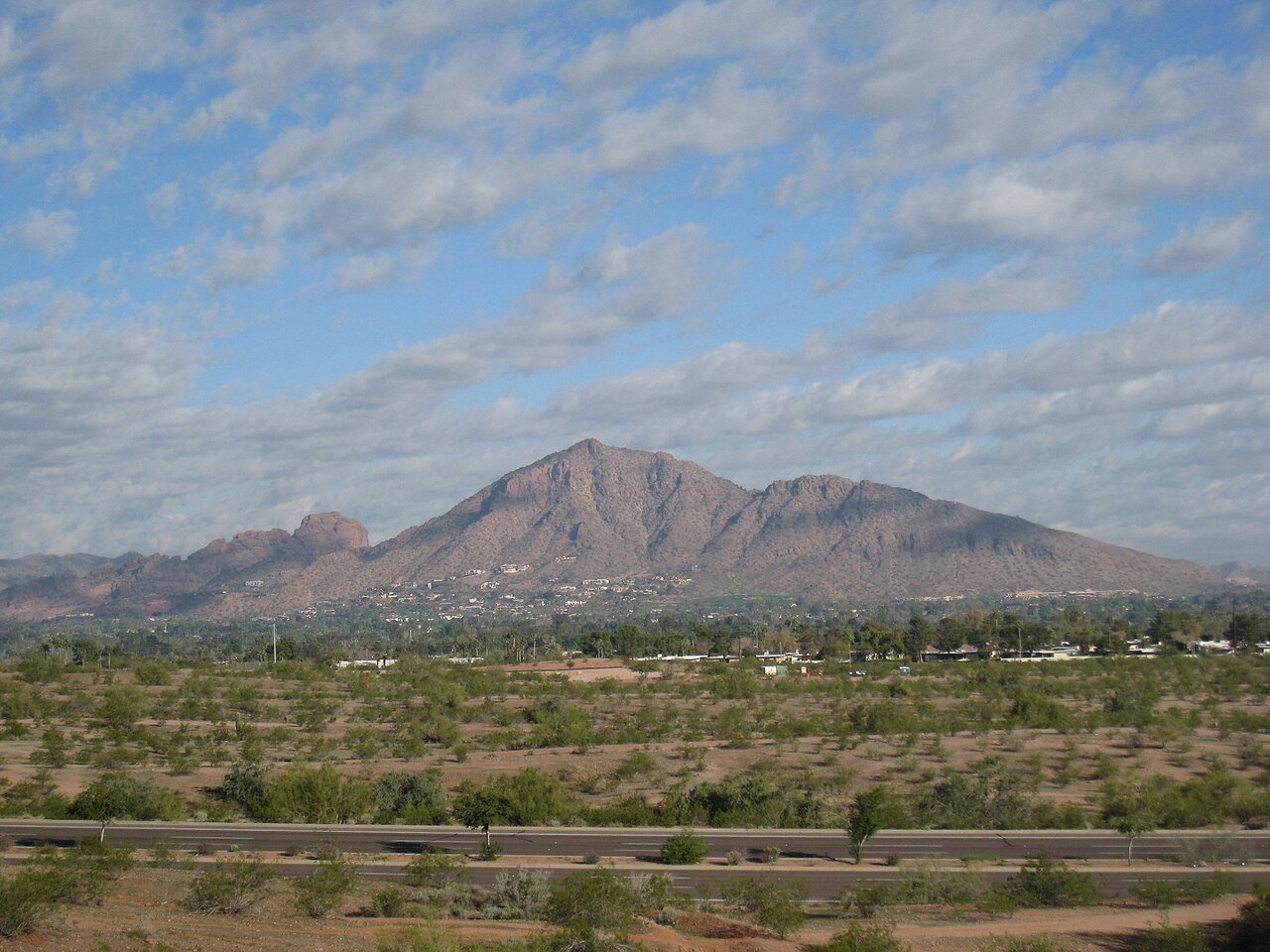
Camelback Mountain (Phoenix): The most-hiked mountain in the Phoenix area, Camelback’s Echo Canyon and Cholla trails are both under 3 miles round trip but involve serious elevation gain (1,280 feet to the 2,704-foot summit) and scrambling on rock faces. The views from the summit over the Phoenix metro stretch for miles. This is a tough hike despite its short length — expect to work harder than the mileage suggests, and avoid entirely June–September midday, when heat-related rescues spike.
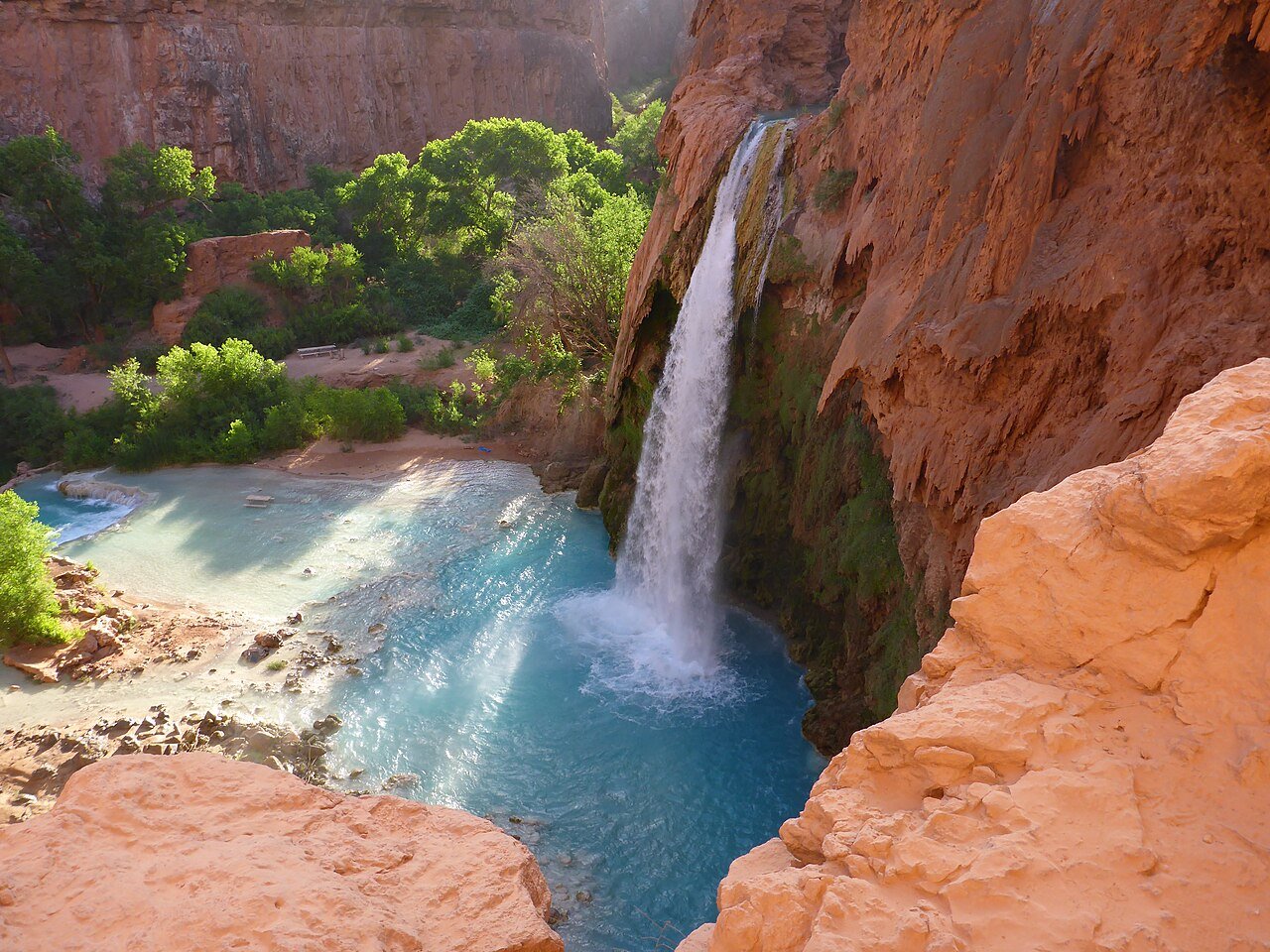
Havasu Falls (Grand Canyon): The most photographed hike in Arizona, and one that draws comparisons to little else on earth. Havasu Falls and the adjacent Mooney and Beaver Falls require an 8-mile trail from Hualapai Hilltop to Supai Village, followed by another 2 miles to the campground and main falls — all on land belonging to the Havasupai Tribe. For 2026, the tribe replaced the old lottery with a tiered permit release: Early Access permits opened on January 21, 2026, and Standard Permits on February 1 at 8:00 a.m. Arizona time, with reservations typically running about $455 per person for a 3-night, 4-day campground stay. Permits routinely sell out within hours, so planning 6–12 months ahead remains essential. The reward — turquoise water thundering over red sandstone into deep blue-green pools — is worth every logistical complication.
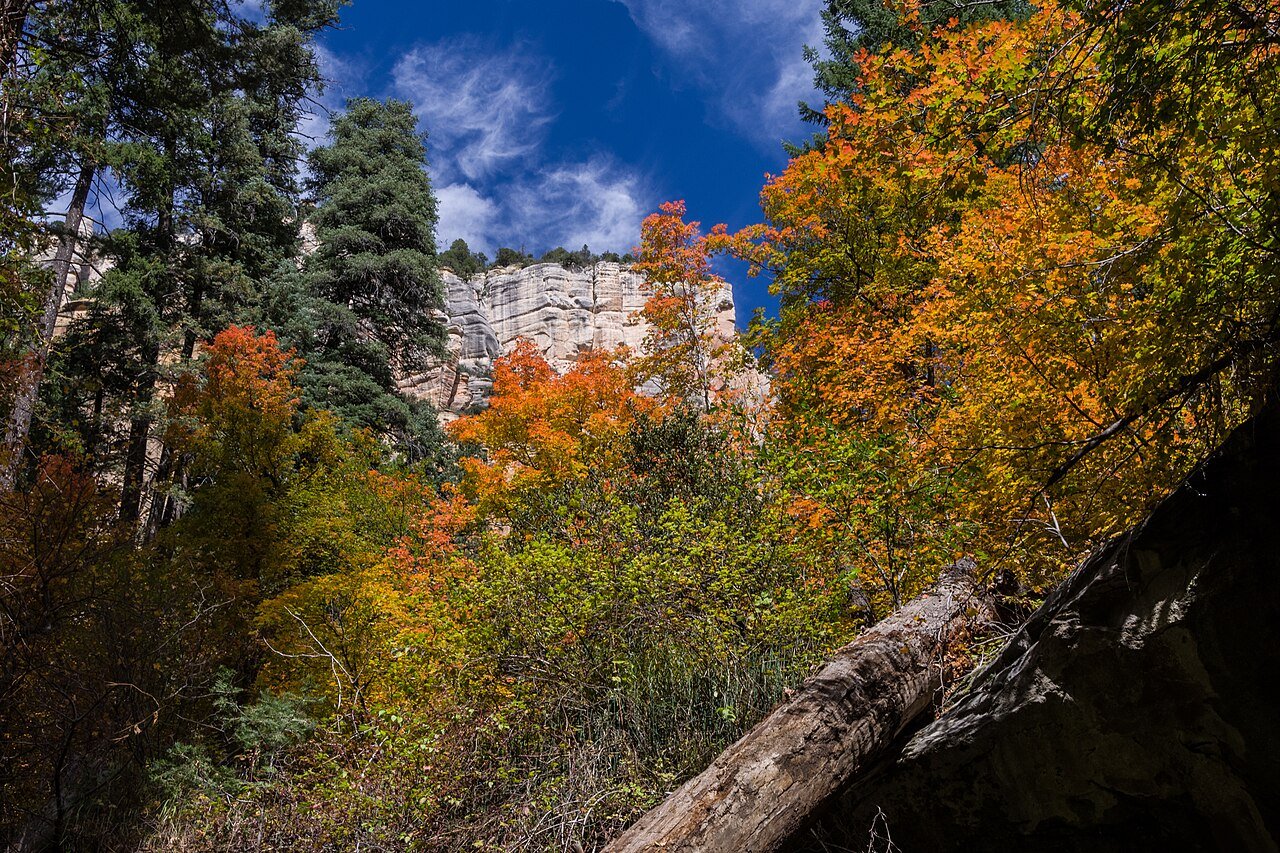
West Fork of Oak Creek (Sedona): The most beautiful canyon hike in the Sedona area follows a stream through a deep, narrow red-rock canyon — at times constricting into slot-like passages — and requires multiple crossings of the creek over roughly 3 miles to the official trail’s turnaround point. Fall color — Arizona sycamores and maples turning gold and red against the canyon walls — makes this a prime late-October destination that draws visitors from across the state.
Humphreys Peak (Flagstaff): Arizona’s highest point at 12,633 feet is accessible via a 9-mile round-trip trail from the Arizona Snowbowl ski area. The trail climbs through ponderosa pine, spruce-fir forest, and above-treeline tundra to a summit with views extending hundreds of miles on clear days. Summer thunderstorms build rapidly over the San Francisco Peaks during the July–September monsoon — an early start (by 6 a.m.) is essential, and anyone above treeline when lightning approaches should descend immediately.
Mountain Biking: World-Class Trails
Arizona has become one of the premier mountain biking destinations in the United States, with trail networks in Sedona, Phoenix, and Tucson that are internationally recognized for their quality and variety.
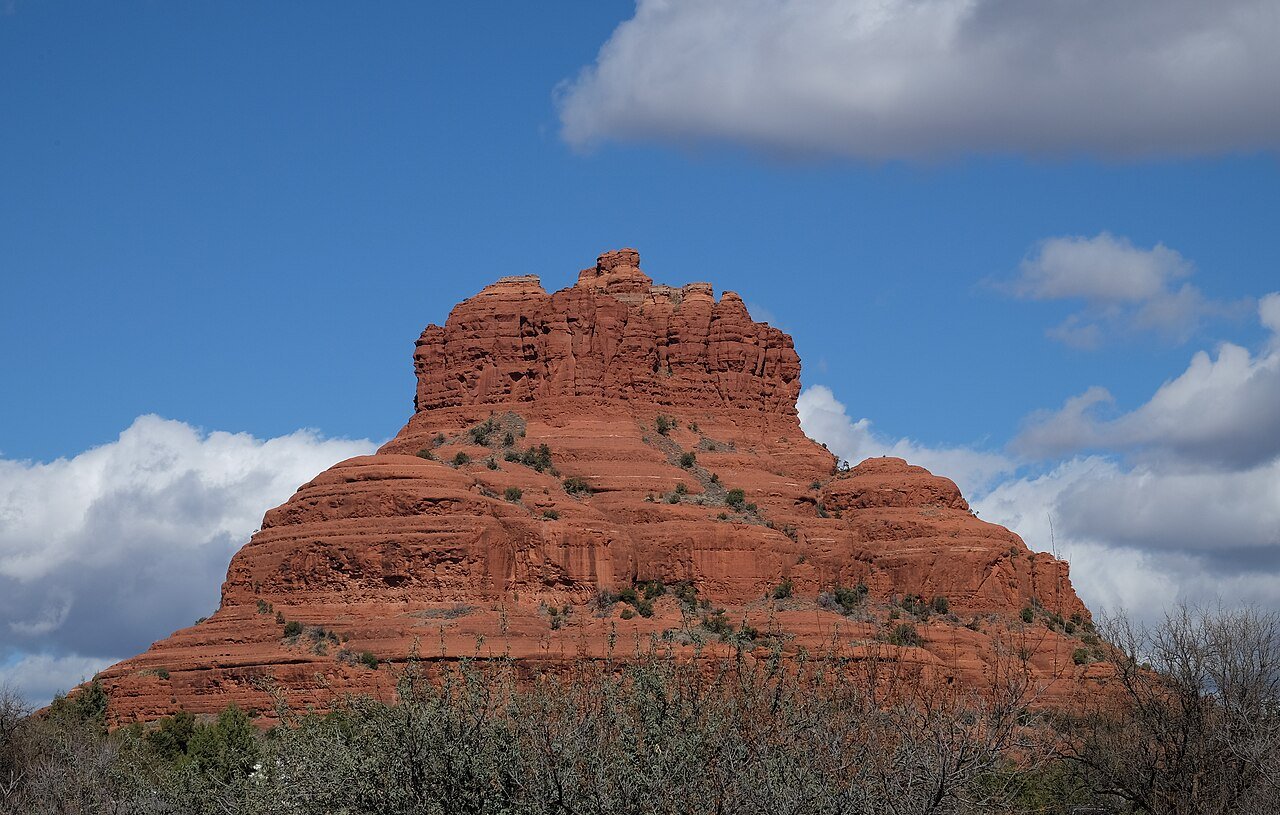
Sedona’s trail system — concentrated around the Bell Rock Pathway, Llama Trail, and the more technical Hiline Trail — offers red-rock riding with continuous technical challenges and views that lift even routine trail sections. The combination of smooth slickrock riding, loose decomposed granite, and challenging rocky descents provides variety that keeps skilled riders engaged across multiple days.
The McDowell Mountain Regional Park and Brown’s Ranch trail network east of Scottsdale provides extensive desert singletrack across the 30,500-acre McDowell Sonoran Preserve — the largest urban nature reserve in the United States. Tucson’s Rillito River Park bike path and the adjacent Tortolita Fan trails offer desert-climate riding with Sonoran Desert flora as a constant backdrop.
River Running and Water-Based Adventures
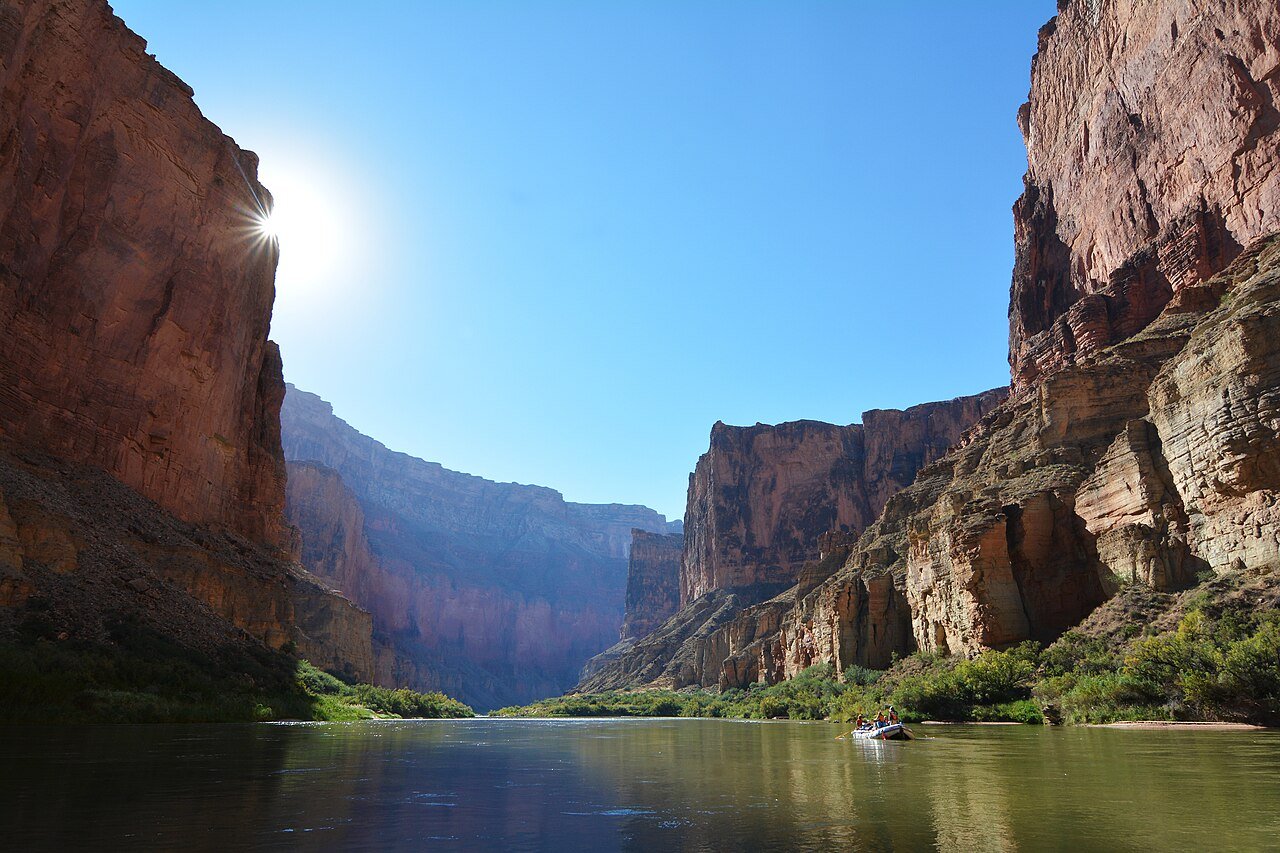
Water might seem paradoxical as an Arizona outdoor category, but the state’s canyon rivers carry some of the best river running in North America. The Colorado River through the Grand Canyon is the most famous — a 277-mile journey through the full canyon (Lees Ferry to Pearce Ferry) that takes roughly 6–8 days on a motorized raft or 12–18 days on oar, paddle, or dory craft. Permits for private trips are issued by a weighted lottery administered by the National Park Service, often years in advance. Commercial trips through licensed outfitters book out 1–2 years ahead for peak dates.
The Verde River, which flows through the central highlands, supports multi-day canoe and kayak trips through Prescott and Tonto National Forests and Fort McDowell Yavapai Nation land. Fossil Creek, a desert stream fed by constant-temperature springs, is one of the most biologically diverse riparian corridors in the state and a beloved swimming and snorkeling destination with warm, crystal-clear water — though access now requires advance reservations from April through October.
Wildlife Watching in Arizona
Arizona’s ecological diversity supports an unusually rich wildlife community. The southeastern corner of the state — the Chiricahua Mountains and the San Pedro River Valley — is consistently rated among the top birdwatching destinations in the United States. The Arizona Bird Committee has accepted more than 570 species statewide, with several hundred additional rarities recorded over the decades, placing the state behind only California and Texas overall and at the top of any landlocked state in the country. Southeastern Arizona is home to roughly a dozen species of hummingbird, the only US breeding population of the elegant trogon (which nests in Cave Creek Canyon and a handful of other sky-island ranges), and occasional irruptions of thick-billed parrots in winters of high cone production.
Javelinas (collared peccaries) are frequently encountered in desert hiking areas around Tucson and Sedona — they resemble small pigs but belong to an entirely distinct family. Gila woodpeckers and gilded flickers excavate nest cavities in saguaro arms that are subsequently used by elf owls, the smallest owl species in the world. The Arizona-Sonora Desert Museum west of Tucson is the definitive introduction to Sonoran Desert wildlife, with more than 300 animal species in naturalistic habitats across its 98-acre site.
Stargazing: Among the World’s Best Dark Skies
Arizona’s combination of high elevation, low humidity, stable atmosphere, and relatively low urban light pollution makes it one of the premier stargazing destinations on Earth. The state contains three National Park Service International Dark Sky Parks — Grand Canyon (designated 2016), Petrified Forest (2018), and Chiricahua National Monument — and Flagstaff’s status as the world’s first International Dark Sky City, granted on October 24, 2001, reflects a genuine commitment to dark-sky preservation that has kept the city’s night environment dark despite its growth.
Kitt Peak National Observatory, 55 miles west-southwest of Tucson on Tohono O’odham Nation land, hosts more than 20 optical telescopes plus two radio telescopes, making it one of the largest concentrations of astronomical instruments in the Northern Hemisphere. Public Nightly Observing Programs provide access to professional-grade equipment under some of the darkest skies in the country. For amateur astronomers, Oracle State Park near Tucson and Kartchner Caverns State Park both offer dark-sky programs on a seasonal basis.
Arizona’s outdoors reward visitors and residents who engage with them deliberately: the state’s scale, ecological diversity, and year-round accessibility (with appropriate seasonal adjustments for heat and elevation) place it among the very best outdoor recreation states in the country — a status its national parks dominate the conversation about but its lesser-known trails, rivers, and dark-sky reserves fully support.
Frequently Asked Questions
What are Arizona’s best hikes and what should visitors know about each?
Arizona’s hiking ranges from 30-minute paved strolls to multi-day backcountry traverses. Camelback Mountain in Phoenix — the most-hiked mountain in the Phoenix area — involves serious elevation gain (1,280 feet) on trails under 3 miles round-trip with scrambling on rock faces; avoid entirely June–September at midday. Havasu Falls in the Grand Canyon is the most photographed hike in Arizona: turquoise water thundering over red sandstone into deep blue-green pools, on Havasupai Tribe land, requiring an 8-mile trail from Hualapai Hilltop to Supai Village plus 2 more miles to the campground and main falls. For 2026 the tribe replaced its old lottery with tiered releases (Early Access January 21, Standard February 1 at 8 a.m. Arizona time), with reservations around $455 per person; permits routinely sell out in hours, so planning 6–12 months ahead remains essential. Humphreys Peak (12,633 feet, Arizona’s highest point) involves a 9-mile round-trip trail from the Arizona Snowbowl near Flagstaff; summer monsoon thunderstorms build rapidly over the San Francisco Peaks, requiring an early start by 6 a.m. and immediate descent if lightning approaches above treeline. The West Fork of Oak Creek in Sedona follows a stream through a deep red sandstone canyon for roughly 3 miles, with Arizona sycamore and maple fall color in late October that draws visitors from across the state.
How good is mountain biking in Arizona?
Arizona has become one of the premier mountain biking destinations in the United States. Sedona’s trail system — concentrated around the Bell Rock Pathway, Llama Trail, and more technical Hiline Trail — offers red-rock riding with continuous technical challenges and views that lift even routine trail sections. The combination of smooth slickrock, loose decomposed granite, and challenging rocky descents provides variety that keeps skilled riders engaged across multiple days. The McDowell Mountain Regional Park and Brown’s Ranch trail network east of Scottsdale provides extensive desert singletrack across the 30,500-acre McDowell Sonoran Preserve, the largest urban nature reserve in the United States. Tucson’s Rillito River Park and adjacent Tortolita Fan trails offer desert riding with Sonoran Desert flora as a constant backdrop. Sedona is the benchmark Arizona destination, regularly cited alongside Moab, Utah, as the defining red-rock desert riding experience in the American Southwest.
What river running and water adventures does Arizona offer?
The Colorado River through the Grand Canyon is the most famous river journey in North America — 277 miles from Lees Ferry to Pearce Ferry, taking roughly 6–8 days on a motorized raft or 12–18 days on oar, paddle, or dory craft. Commercial trips through licensed outfitters book 1–2 years ahead for peak dates; private permits are issued through a weighted National Park Service lottery, often years in advance. The Verde River through the central highlands supports multi-day canoe and kayak trips through Prescott and Tonto National Forests and Fort McDowell Yavapai Nation land. Fossil Creek, a desert stream fed by constant-temperature springs, is one of the most biologically diverse riparian corridors in the state and a beloved swimming and snorkeling destination with warm, crystal-clear water — access requires advance reservations April through October. Lake Powell, a 186-mile-long reservoir behind Glen Canyon Dam, provides houseboat, kayak, and motorboat adventures in a labyrinth of red-rock side canyons.
What makes Arizona one of the world’s best stargazing destinations?
Arizona’s combination of high elevation, low humidity, stable atmosphere, and relatively low urban light pollution makes it one of the premier stargazing destinations on Earth. Flagstaff was designated the world’s first International Dark Sky City on October 24, 2001, and the state contains three National Park Service International Dark Sky Parks: Grand Canyon (2016), Petrified Forest (2018), and Chiricahua National Monument. Kitt Peak National Observatory, 55 miles west-southwest of Tucson on Tohono O’odham Nation land, hosts more than 20 optical telescopes plus two radio instruments and offers public Nightly Observing Programs providing access to professional-grade equipment. For amateur astronomers, Oracle State Park near Tucson and Kartchner Caverns State Park offer dark-sky programs on a seasonal basis. Arizona’s night sky visibility is genuinely first-rate from rural areas — the Milky Way core is visible from dark sites near Flagstaff, Sedona, and throughout the rural southeast.
What wildlife watching experiences does Arizona offer?
Arizona’s ecological diversity supports an unusually rich wildlife community. The southeastern corner of the state — the Chiricahua Mountains and the San Pedro River Valley — is consistently rated among the top birdwatching destinations in the United States, with more than 570 species accepted by the Arizona Bird Committee (and hundreds of additional rarities recorded over the decades), placing Arizona behind only California and Texas overall and at the top of any landlocked state in the country. Southeastern Arizona is home to roughly a dozen hummingbird species, the only US breeding population of the elegant trogon (concentrated in Cave Creek Canyon and other sky-island ranges), and occasional winter irruptions of thick-billed parrots in years of high cone production. Javelinas (collared peccaries) are frequently encountered in desert hiking areas around Tucson and Sedona. Gila woodpeckers and gilded flickers excavate nest cavities in saguaro arms subsequently used by elf owls — the smallest owl species in the world. The Arizona-Sonora Desert Museum west of Tucson maintains more than 300 animal species in naturalistic habitats across its 98-acre site and is the definitive introduction to Sonoran Desert wildlife.